
Pruning
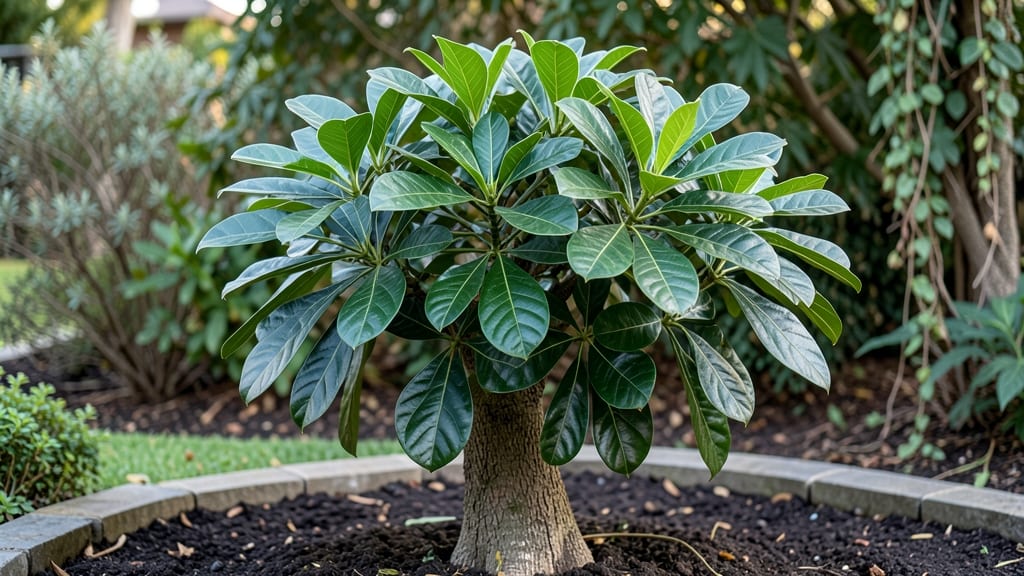
Pruning your Queensland umbrella tree (Schefflera actinophylla) keeps it lush and healthy year-round, but I’ve learned the hard way that timing and technique matter more than just grabbing shears. 🌿 This tree thrives in tropical climates but adapts surprisingly well indoors too—if you prune it right.
The key is working with its natural growth cycles, not against them.
You’ll need sharp pruning shears, a clean cutting surface, and a plan for four seasonal trims: light shaping in spring, heavy pruning after summer’s growth spurt, and maintenance cuts in fall and winter.
Most people over-prune in winter, which stresses the tree—don’t make that mistake. Instead, focus on removing dead branches and encouraging new growth when the weather warms.
What you’ll end up with is a tree that stays compact, produces fresh new foliage, and resists pests better than unpruned trees. The canopy stays fuller, the branches grow stronger, and you avoid that leggy, sparse look that ruins the tree’s natural beauty.
Plus, you get to enjoy those glossy leaves year-round without the constant struggle.
This method works for both outdoor trees in full sun and indoor plants near bright windows. The principles stay the same—just adjust for your climate. Ready to transform your tree’s shape and health? Let’s get started with the right tools and timing.
📚 In This Guide
- What you need
- Instructions
- Tips and common mistakes
- Wrapping up and next steps
What you need
- ● Pruning shears: Bypass pruners (sharp, clean, and sterilized with rubbing alcohol or bleach solution—1 part bleach to 9 parts water). Size: 6–8 inches for medium branches.
- ● Loppers: For thicker branches (½–1.5 inches in diameter). Quantity: 1 pair with bypass blades for precision cuts.
- ○ Hand saw: Pruning saw with fine teeth (8–10 teeth per inch) for stubborn, larger branches. Optional: Pole saw for high branches.
- ● Gloves: Heavy-duty, cut-resistant gloves (e.g., Mechanix or pruning-specific) to protect from thorns and sap.
- ● Disposable pruning bags: 2–3 large bags (13-gallon capacity) to collect trimmings and reduce mess.
- ● Rubbing alcohol (70%+) or bleach solution: For sterilizing tools between cuts to prevent disease.
- ● Ladder: Sturdy, extension ladder (16–20 feet) if your tree exceeds 12 feet. Safety tip: Use a ladder stabilizer or have a spotter!
- ○ Pruning sealant: Optional but helpful for cuts larger than ½ inch (e.g., Tanglefoot Tree Wound Pruning Sealer).
- ● Safety glasses: Protect your eyes from debris—especially when sawing!
- ● Work boots: With ankle support for stability on uneven ground.
- ● Tree growth regulator: Like Bonide Fungicide Prune & Seal to encourage faster healing on large cuts.
- ● Garden hose: For rinsing tools and cleaning up sap residue.
- ● Notebook & pen: To jot down notes on trimming patterns or seasonal changes.
- ● ✨ Check the weather: Prune on a dry, overcast day to reduce stress on the tree.
- ● 🌡️ Timing matters: Avoid trimming during extreme heat or frost—stick to mild seasons (spring/fall for Queensland umbrella trees).
- ● 🔥 Sterilize often: Wipe tools between cuts to prevent bacterial/fungal spread.
How to prune a Queensland umbrella tree for year-round health
This system keeps your tree lush and balanced—no guesswork, just seasonal check-ins.
✂️ Step 1: Early Spring Cleanup (Late February)
Start by removing any dead, broken, or crossing branches first. Look for branches with no green tissue inside when you cut—those are dead. Use sharp pruning shears to make clean cuts just above a leaf node or outward-facing bud. This prevents unsightly stubs and encourages new growth in the right direction.
Next, thin out the canopy by removing about 10-15% of the smallest branches from the outer edges. Focus on branches that are growing inward or downward—they’ll create a denser, more open center. You’ll see sunlight reach the lower branches immediately, which signals you’re doing it right.
Here’s the thing—never remove more than 25% of the canopy in one season. Your tree will struggle to recover, and you’ll end up with weak growth. If you’re unsure, err on the side of caution and take less.
☀️ Step 2: Mid-Summer Maintenance (July)
In summer, your goal is to maintain shape and encourage airflow. Start by trimming any branches that are rubbing against each other—friction weakens the tree over time. Use your fingers to gently bend branches; if they snap easily, they’re already compromised and should be removed.
Next, trim back any overly long branches that are disrupting the tree’s natural umbrella shape. Cut just above a leaf node where the branch angles outward. This keeps the tree’s signature rounded silhouette while preventing it from becoming top-heavy. You’ll notice the branches below fill out more quickly after this trim.
This is also the time to remove any suckers—those vigorous shoots growing from the base or trunk. They drain energy from your main tree. Snip them off at the base with clean cuts, and you’ll see the tree redirect its energy to the canopy.
🌿 Step 3: Autumn Pruning (October)
Autumn is for refining the structure. Start by removing any branches that grew too vigorously during summer—these are often leggy and weak. Look for branches that are thinner than a pencil; they’re not strong enough to support new growth. Cut them back to a sturdy lateral branch or bud.
Next, prune any branches that are growing at sharp angles to the trunk or main branches. Sharp angles create weak attachment points. Aim for cuts that leave a 45-degree angle just above a bud or leaf node. This encourages stronger regrowth and a more stable structure.
If your tree has any branches that are diseased or showing signs of pest damage, remove them immediately. Sterilize your pruning tools with rubbing alcohol between cuts to prevent spreading any pathogens. You’ll know you’ve done enough when the tree looks balanced and the branches are evenly spaced.
⏰ Step 4: Light Winter Trim (January)
Winter is all about minimal maintenance. Focus only on removing dead or diseased branches—these are easy to spot because they’re brown, brittle, or lack leaves. Cut them back to healthy wood, and you’ll see fresh green growth emerge as spring approaches.
If any branches grew unevenly during the year, do a light shaping trim now. Just a few strategic cuts to maintain the tree’s form will keep it looking tidy without stressing the tree. Avoid heavy pruning in winter, as the tree is less active and slower to recover.
This is also the time to check for any storm damage. If branches were broken or split during winter storms, prune them back to the nearest healthy growth. You’ll see the tree bounce back quickly once warmer weather arrives.
Tips & tricks for pruning a Queensland umbrella tree
These seasonal strategies will help you maintain a healthy, vibrant Queensland umbrella tree all year round.
Tool Prep: Always sterilize your pruning shears with rubbing alcohol between cuts, especially in Step 3 when dealing with diseased branches. I learned this the hard way after seeing new infections appear on my tree—clean tools prevent spreading pathogens. Make sure your blades are sharp too; dull shears tear branches instead of making clean cuts, which stresses the tree.
Seasonal Timing: In Step 1, when you're thinning the canopy by removing 10-15% of branches, focus on those growing inward first. These are the ones that create dense, shaded areas where pests thrive. The immediate sunlight reaching lower branches after pruning is your confirmation that you've improved airflow and light penetration. This is particularly important for Queensland umbrella trees, which need good air circulation to prevent fungal issues.
Visual Cues: For Step 2's summer maintenance, look for branches that bend easily when you apply gentle pressure—these are already weak and should be removed. In Step 3, when cutting at a 45-degree angle above a bud, imagine you're making a small smile on the branch. This angle encourages new growth to emerge in the right direction. The tree's natural umbrella shape will become more pronounced after just one season of following these angles consistently.
Winter Strategy: During the light winter trim in Step 4, limit yourself to only removing dead or diseased branches. This minimal approach prevents stressing the tree when it's already dormant. I've found that even a single healthy branch removed in winter can delay spring growth by several weeks. If you must do any shaping, keep it to just a few strategic cuts—think of it as a light touch-up rather than a major overhaul.
Pro Tips for Queensland Umbrella Tree
- These seasonal strategies will help you maintain a healthy, vibrant Queensland umbrella tree all year round.
- Tool Prep: Always sterilize your pruning shears with rubbing alcohol between cuts, especially in Step 3 when dealing ...
- Seasonal Timing: In Step 1, when you're thinning the canopy by removing 10-15% of branches, focus on those growing in...
Frequently asked questions
When’s the best time to prune my Queensland umbrella tree?
The ideal window is late winter to early spring (August–September in Australia) for major trims, but light shaping can happen anytime. Avoid heavy cuts in summer or winter—this stresses the tree and may stunt growth. Think of it like a haircut: timing matters!
How do I know if I’m pruning too much?
If you see excessive leaf drop, stunted new growth, or bare branches, you’ve likely over-pruned. A good rule: Never remove more than 25% of the canopy in one session. For mature trees, stick to selective trimming—focus on dead wood, crossing branches, or shaping, not drastic cuts.
Can I prune my Queensland umbrella tree in summer?
Yes, but keep it minimal! Light trims to remove dead leaves or pests are fine, but avoid heavy pruning. Summer stress + big cuts = slow recovery. If you must prune heavily, water deeply afterward and monitor for fungal issues (like powdery mildew) from increased humidity.
What should I do if my tree isn’t recovering after pruning?
Check for these red flags:
- Yellowing leaves: Could signal over-pruning or root stress. Solution: Fertilize with slow-release granules and water consistently.
- No new growth: Might need phosphorus-rich fertilizer (like dynamic lifter).
- Wilted or blackened branches: Sign of disease or pests. Action: Prune affected areas with sterilized tools and treat with copper fungicide if needed.
If in doubt, consult a local arborist—they’ll diagnose issues specific to your tree’s health.
Are there alternatives to pruning for shaping my tree?
Try these low-stress methods:
- Topiary training: Use soft ties and wire to guide branches into shapes (great for formal gardens).
- Selective fertilizing: Apply nitrogen-rich fertilizer to encourage bushier growth in sparse areas.
- Lightweight supports: For drooping branches, use bamboo canes or stakes to prop them up naturally.
Pro tip: Combine these with seasonal trims for a balanced, stress-free approach!
Wrapping up and next steps
The Queensland umbrella tree is a stunning addition to any landscape, but its year-long care—especially with seasonal trims—ensures it thrives for decades. 🌿 By mastering spring cleaning, summer shaping, autumn thinning, and winter maintenance, you’ll keep its iconic canopy healthy, balanced, and full of life.
Now that you’re equipped with the right tools, techniques, and timing, there’s no better moment to roll up your sleeves and give your tree the TLC it deserves!
Ready to take action? Grab your pruners, mark your seasonal calendar, and start with a single trim—your Queensland umbrella tree will thank you with vibrant growth all year round! 🌳✨