
Blooming
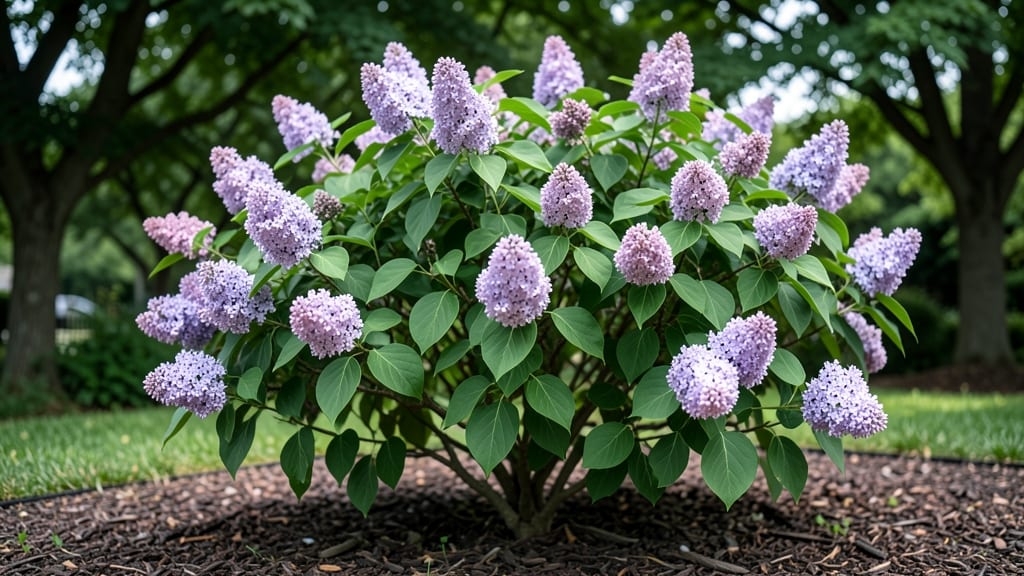
A reblooming lilac tree can transform your garden with fragrant blooms twice a year—not just once in spring. I learned this after my stubborn single-blooming lilac refused to cooperate, so I switched to a reblooming variety and pruned it like a pro.
The key isn’t just timing; it’s understanding how these varieties grow differently than their one-time-blooming cousins.
Reblooming lilacs thrive when you prune right after their first flush of flowers in late spring, then again in late summer to shape the plant and encourage next year’s buds.
You’ll need sharp pruners, a ladder (for taller trees), and a little patience—these trees reward careful attention with months of sweet fragrance instead of just a single show. The secret? Cutting back one-third of the oldest stems each year keeps the tree vigorous and blooming.
By summer’s end, you’ll see fresh green shoots forming where you pruned, setting the stage for another round of blooms the following spring. The flowers may be smaller than the first flush, but the scent is just as intoxicating—and the tree stays lush and full.
This method works for both French hybrid lilacs and some Korean lilacs, though not all varieties rebloom reliably.
Fair warning: reblooming lilacs need more frequent pruning than single-bloomers, and they benefit from a balanced fertilizer in early spring. But the payoff—a tree that smells like spring in both May and September—is worth the extra effort. Here’s exactly how to make it happen without sacrificing the tree’s health.
📚 In This Guide
- What you need
- Instructions
- Tips and common mistakes
- Wrapping up and next steps
What you need
- ● Pruning shears or loppers – Sharp, clean, and bypass-style (for precision cuts). Quantity: 1 pair (or 2 if your tree is large).
- ● Gloves – Heavy-duty gardening gloves (to protect from thorns and sap). Quantity: 1 pair.
- ● Disinfectant (rubbing alcohol or bleach solution) – 70% isopropyl alcohol or 1-part bleach to 9-parts water (to sterilize tools between cuts).
- ○ Pruning sealant (optional but recommended) – Tree wound sealant or beeswax (for larger cuts to prevent disease).
- ● Garden twine or zip ties – For temporary support if needed (especially for weak branches). Quantity: 1 roll.
- ● Watering can or hose – For post-pruning hydration.
- ● Trash bags or bucket – For collecting pruned branches.
- ● Hand pruners – For smaller, detailed cuts.
- ● Saw (pruning or handsaw) – Only for thick branches (1+ inch diameter).
- ● Ladder or step stool – If your lilac is taller than 6 feet.
- ● Compost bin – To recycle pruned branches into nutrient-rich compost.
- ● Fertilizer (balanced or bloom-boosting) – 10-10-10 or rose-specific fertilizer (apply post-pruning).
Step-by-Step pruning guide for year-round lilac blooms
Here's how to transform your lilac from a one-time floral showstopper into a perpetual fragrant masterpiece.
Time Your First Cut for Maximum Regrowth
Prune your lilac immediately after its first major bloom cycle—typically in late May to early June. This timing ensures you remove spent flowers while leaving enough foliage to support photosynthesis for the next flush. Never prune in fall or winter; lilacs need their energy reserves intact for spring growth.
Look for clusters of browned, seed-filled buds—these are your target. Cut back to a pair of healthy buds just below the bloom cluster. The buds will form the base for new growth, so choose ones that are plump and green, not shriveled or brown. I like to make my cuts at a 45-degree angle about ¼ inch above the bud to prevent water from pooling and rotting the stem.
Shape the Canopy for Airflow and Light Penetration
Step back and assess your lilac’s structure. The goal is to create an open, vase-like shape that lets sunlight reach the center. Start by removing any dead, crossing, or inward-growing branches—these compete for resources and block airflow, inviting fungal diseases. Use sharp, clean pruners to make clean cuts at the branch collar where it meets the trunk or larger branch.
Thin out one-third of the oldest stems at ground level if they’re thicker than ½ inch in diameter. These stems produce fewer blooms and drain energy from younger growth. For each stem you remove, aim to keep 2-3 younger, vigorous branches that show strong growth from the base. The result should be a balanced silhouette where light can filter through to the center—this is crucial for encouraging blooms on lower branches.
Encourage Second and Third Flushes with Strategic Trimming
After the first flush of blooms in spring, wait 4-6 weeks before the second pruning. This time, focus on lightening the canopy by cutting back one-third of the remaining flower clusters to just above a set of leaves. The remaining buds will develop into a second round of blooms, though they’ll be smaller. For a third flush, repeat this process 4-6 weeks later, but only on the healthiest branches.
Here’s the thing—reblooming lilacs need consistent care. If you see long, leggy growth with few buds, your plant is overpruned. In this case, reduce the intensity next year and focus on fertilizing with a balanced 10-10-10 formula in early spring. The key is balance: prune enough to shape, but not so much that you starve the plant of energy for future blooms.
Winter Prep to Protect Next Year’s Blooms
As temperatures drop below 20°F, give your lilac a final check. Remove any dead or diseased wood that might harbor pests over winter. Wrap the base of young lilacs with burlap if your winters are harsh—this protects tender bark from sunscald and rodent damage. For established trees, simply rake away fallen leaves and mulch the base with 2-3 inches of organic mulch to insulate roots.
Don’t prune in late fall or winter—this stresses the plant when it’s already conserving energy. Instead, plan your spring maintenance now. Mark the branches you’ll address in early spring with twist ties if needed, so you’re not guessing when growth resumes. A well-rested lilac will reward you with stronger stems and more abundant blooms the following season.
Tips & tricks for perfect year-round lilac blooms
Transforming your lilac into a perpetual bloomer takes more than just timing—it's about strategic cuts and plant health. Here's what I've learned after years of perfecting this technique.
Pruning Angle Precision: When making your cuts in Step 1, the 45-degree angle isn't just about aesthetics—it's about plant health. That quarter-inch clearance above the bud prevents water from pooling at the cut site, which would otherwise lead to rot. I've seen too many lilacs develop fungal issues from improper cuts, so take your time here. The angle also helps rainwater bead up and roll off rather than sitting against the stem.
Canopy Assessment Technique: In Step 2, when you're evaluating your lilac's structure, think of it like sculpting. The goal is to create that open vase shape where sunlight can reach all branches. I use a simple test: if you can't see sunlight filtering through the center when you're standing 10 feet away, you need to thin more. This isn't just about looks—proper light penetration is what triggers those lower branches to bloom. Don't be afraid to remove up to half the oldest stems if they're thicker than half an inch.
Seasonal Timing Strategy: The 4-6 week intervals between prunings in Step 3 are critical for reblooming success. This timing allows new growth to harden off before you prune again. I've found that lilacs in cooler climates may need slightly longer between prunings—watch for new leaf growth rather than relying strictly on the calendar. The key is to always prune just as new buds begin to swell, not when they're already opening. This ensures you're encouraging new blooms rather than cutting off potential flowers.
Winter Protection Insight: When temperatures drop below 20°F in Step 4, that burlap wrapping isn't just for show. I've seen young lilacs suffer severe winter damage when left unwrapped in harsh climates. The burlap acts as insulation against temperature swings that can cause sunscald on the south-facing sides. For established trees, that 2-3 inches of organic mulch creates a thermal blanket around the roots, preventing freeze-thaw cycles that can heave roots out of the soil.
Pro Tips for Reblooming Lilac Tree
- Transforming your lilac into a perpetual bloomer takes more than just timing—it's about strategic cuts and plant health.
- Pruning Angle Precision: When making your cuts in Step 1, the 45-degree angle isn't just about aesthetics—it's about plant health.
- Canopy Assessment Technique: In Step 2, when you're evaluating your lilac's structure, think of it like sculpting.
Frequently asked questions
Got questions about keeping your lilac tree blooming all season? You’re not alone! Here are some of the most common queries—and straightforward answers—to help you master the art of a reblooming lilac tree.
Why won’t my lilac tree rebloom after pruning?
Reblooming lilacs need late-season pruning—cutting back after the second flush of flowers (usually in late summer). If you prune too early or too aggressively, you risk removing next year’s buds. Also, ensure your tree gets full sun (6+ hours/day) and well-draining soil—shady spots or soggy roots can stunt blooms.
When is the best time to prune for reblooming?
Timing is everything! Prune your lilac right after the second bloom cycle (late July–August). Avoid heavy pruning in fall or winter, as this can trigger dormancy. For spring bloomers, a light trim after flowering keeps the shape tidy but preserves buds. Pro tip: Never cut into old wood—new growth is where reblooming magic happens!
Can I use reblooming lilacs in containers?
Dwarf varieties like ‘Miss Kim’ or ‘Lilac Charm’ thrive in containers with 5+ gallons of space. Use a fast-draining potting mix and a pot with drainage holes. Repot every 2–3 years, and fertilize lightly in spring with balanced 10-10-10 formula. Just remember: container lilacs need more frequent watering and winter protection in cold climates.
What should I do if my reblooming lilac gets powdery mildew?
Powdery mildew (white fuzzy spots) is common but treatable! Start by pruning for airflow—remove crowded branches. Spray with a mix of 1 tsp baking soda + 1 quart water + a drop of dish soap weekly. For severe cases, use a fungicide labeled for ornamentals. Prevent recurrence by watering at the base (not overhead) and avoiding dense planting near the tree.
Are there reblooming lilac alternatives if mine struggles?
If your lilac just won’t cooperate, try these low-maintenance rebloomers:
- Butterfly Bush (Buddleia) : Drought-tolerant, attracts pollinators, and blooms repeatedly.
- Weigela: Vibrant flowers on arching branches; thrives in partial shade.
- Dwarf Fothergilla: Fragrant spring blooms + fiery fall foliage.
- Spirea (Spiraea japonica): Compact, colorful, and blooms all summer.
Wrapping up and next steps
Reblooming your lilac tree isn’t just possible—it’s rewarding! 🌸 With the right pruning techniques, patience, and a dash of care, you can enjoy that intoxicating fragrance and stunning blooms well beyond the usual spring burst. Remember, timing, sharp tools, and a light touch are your best allies.
Now that you’re armed with the know-how, why not roll up your sleeves? Pick a calm weekend, gather your tools, and give your lilac the gift of a second (or third!) bloom. Happy pruning—your garden (and nose!) will thank you! 🌿✨