
Blooming
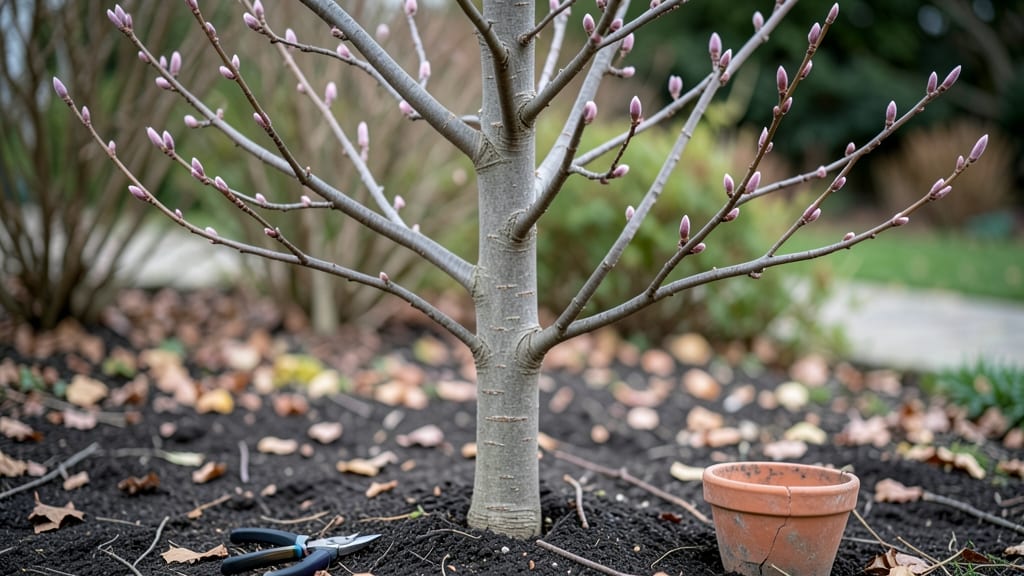
Your redbud tree (Cercis canadensis) looks like a sleepy giant before its famous pink blooms—sleek branches heavy with heart-shaped leaves, not a single flower in sight. 🌿 This is the perfect time to prune, when the tree’s energy is focused underground, not on new growth.
The leaves emerge coppery-green in early spring, but the real magic happens after you shape the branches—more light means brighter blooms later.
Pruning before bloom isn’t just about aesthetics; it’s about health. Aim for late winter to early spring, right after the last frost but before buds swell. Cut back dead wood first, then thin crowded branches to improve airflow—this prevents disease and makes next year’s flowers stand out.
Think of it like giving your tree a haircut before its big debut.
What you’ll get is a tree that bursts into color with vibrant pink blossoms covering its branches for weeks. The foliage turns a rich green by summer, and those heart-shaped leaves become a showstopper in fall.
Pruning now ensures the tree’s energy goes where you want it—into flowers, not just foliage.
Works for both young saplings and mature trees, though larger ones need a ladder. If you’re unsure which branches to trim, look for ones crossing others or growing inward—they’re the first to go. Your redbud will thank you with a showier spring than ever before.
📚 In This Guide
- What you need
- Instructions
- Tips and common mistakes
- Wrapping up and next steps
What you need
- ● Pruning shears: Bypass pruners with sharp, clean blades (for cuts up to ½ inch thick). Pro tip: 💡 Sanitize with rubbing alcohol before and after use to prevent disease spread!
- ● Loppers: 1 pair (for branches ½ to 1½ inches thick). Look for ratcheting or bypass styles for precision.
- ● Pruning saw: 1 handheld saw (for thicker branches, if needed). A curved blade makes clean cuts easier.
- ● Gloves: Heavy-duty gardening gloves (to protect hands from thorns and rough bark). Choose breathable, cut-resistant material.
- ● Ladder or step stool: Adjustable height (6–10 feet tall) to safely reach higher branches. Safety first! 🔥
- ● Disposable pruning bags or bucket: 1–2 (to collect debris and fallen branches). A 5-gallon bucket works great!
- ● Rubbing alcohol (70% isopropyl) or bleach solution: Small bottle (for sterilizing tools between cuts).
- ● Sharpie or permanent marker: 1 (to label branches for future reference, if desired).
- ● Hand pruners with a magnifying lens: For detailed work on small branches.
- ● Tree wound dressing: (Controversial but handy for large cuts—use sparingly or skip if your tree is healthy!)
- ● Notebook or app: To sketch your tree’s structure before/after pruning (e.g., iNaturalist or Gardenate for tracking).
- ● Safety glasses: If working near dusty or debris-heavy areas.
How to prune redbud trees for vibrant spring blooms
Here's the simple early-season routine I use to keep my redbuds thriving and bursting with color.
✂️ Step 1: Time Your Pruning Perfectly
Prune your redbud tree immediately after it finishes blooming but before new growth hardens—this is your 3-4 week window after the last pink flowers fade. I mark my calendar because timing matters more than anything else. The goal is to remove dead wood while the tree still has energy to heal before summer heat arrives.
Wait until the soil is slightly dry to the touch—this prevents overwatering stress during the healing process. You'll know you've waited too long when new leaves start developing along the branches. That means you've missed the ideal window for clean cuts.
✂️ Step 2: Remove Dead, Diseased, or Crossing Branches
Start by cutting out any branches that are completely dead (no green underneath the bark when scratched) or show signs of disease (mushrooms at the base, oozing sap). Use sharp pruning shears to make clean cuts at a 45-degree angle just outside the branch collar where it meets the trunk.
Next, look for branches that cross each other or rub together—these will eventually create wounds. Remove the smaller of the two branches at its point of origin. I always step back every few cuts to visualize the tree's shape. Redbuds naturally grow with an open, vase-like form, so aim to maintain that airy structure.
✂️ Step 3: Thin the Canopy for Better Airflow
Selectively remove 10-20% of the smallest branches from the outer canopy to improve airflow and sunlight penetration. Focus on branches that grow inward or downward—they'll never receive enough light to bloom well. Cut these back to their point of origin using clean, sharp shears.
You'll see the difference immediately when you step back: the tree's center should be more open, allowing light to reach all the way to the trunk. This prevents future problems with fungal diseases that thrive in damp, shaded conditions. Avoid removing more than 25% of the canopy in one season—redbuds are sensitive to heavy pruning.
💧 Step 4: Apply Wound Treatment and Monitor
After pruning, apply a thin layer of pruning sealant to cuts larger than ½ inch in diameter. This prevents disease from entering through exposed wood. I use a small brush to apply it neatly—don't glob it on thickly, just enough to create a protective barrier.
Water the tree deeply right after pruning to help it recover. You'll notice new growth starting within 4-6 weeks if you've pruned at the right time. Keep an eye out for any branches that look stressed or wilted—they might need a little extra care or could signal you pruned too aggressively.
Tips & tricks for perfect redbud tree pruning
Timing and technique make all the difference when pruning redbuds for that show-stopping spring display.
Timing Secret: Mark your calendar for when the last pink flowers fade—this is your 3-4 week window to prune before new growth appears. I always set a reminder because missing this window means you'll be pruning during the tree's active growth phase, which stresses it. If you see tiny leaf buds forming, you've waited too long. The ideal time is when the soil is slightly dry to the touch but not bone-dry—this prevents overwatering stress during recovery.
Branch Selection Tip: When removing crossing branches in Step 2, always cut the smaller branch at its point of origin. This preserves the tree's natural vase shape while preventing future wounds. I've made the mistake of cutting larger branches first—it creates awkward stubs that never heal properly. For dead branches, make your cut just outside the branch collar at a 45-degree angle to direct water runoff away from the trunk.
Canopy Thinning Strategy: That 10-20% reduction in Step 3 isn't just a number—it's about creating an open center. Focus on branches growing inward or downward first, as these will never get enough sunlight to bloom well. After each cut, step back and visualize the tree's structure. You'll notice how much more light reaches the center immediately. Remember, redbuds hate heavy pruning—never remove more than 25% of the canopy in one season.
Wound Care: The ½-inch rule for sealant in Step 4 is crucial—smaller cuts can heal on their own. For larger wounds, use a small brush to apply a thin layer of sealant, focusing on the edges where disease most commonly enters. I've seen pruning wounds develop fungal infections because people applied sealant too thickly, creating a moisture trap. A light coat is all you need to create that protective barrier.
Pro Tips for Redbud Tree Before Bloom
- Timing and technique make all the difference when pruning redbuds for that show-stopping spring display.
- Timing Secret: Mark your calendar for when the last pink flowers fade—this is your 3-4 week window to prune before ne...
- Branch Selection Tip: When removing crossing branches in Step 2, always cut the smaller branch at its point of origin...
Frequently asked questions
Got questions about your redbud tree before those stunning blooms arrive? You’re not alone! Here are answers to the most common queries to help you prep like a pro.
When is the best time to prune a redbud tree before bloom?
Prune your redbud tree late winter to early spring, ideally 4–6 weeks before blooms appear (usually February–March in most zones). This timing ensures the tree has time to heal before flowering. Avoid pruning after buds swell—you’ll risk cutting off next year’s blooms!
Can I prune a redbud tree in fall or winter?
Fall pruning is not recommended—it can stimulate new growth that won’t harden off before winter, leaving branches vulnerable to frost damage. Winter pruning (before buds break) is fine, but avoid heavy cuts in extreme cold. Late winter (just before bloom) is ideal for shaping without stressing the tree.
What if I missed the window and pruned too late?
If you pruned after buds formed, don’t panic! The tree will still bloom, but you may see fewer flowers on pruned branches. Focus on light maintenance next year—prune only dead or diseased wood in late winter. Over time, the tree will rebound with vibrant spring color.
How do I know if my redbud tree is healthy enough for pruning?
A healthy redbud has no wilting leaves, oozing sap, or excessive leaf drop. Check for signs of pests (like aphids) or disease (fungal spots). If the tree is stressed (e.g., drought, root issues), wait until next season for pruning. Hydrate well before cutting to reduce shock.
Are there alternatives if I don’t want to prune?
No pruning? No problem! Redbuds thrive with minimal care. Just remove dead branches anytime and thin out crowded growth in late winter to improve airflow. Mulch and water deeply in dry spells to support natural bloom health. For a low-maintenance look, focus on light shaping every 2–3 years.
Wrapping up and next steps
The redbud tree before bloom is your canvas—pruning early sets the stage for a dazzling spring spectacle! By trimming wisely now, you’ll encourage vibrant blooms, healthier growth, and a tree that steals the show. 🌸
Ready to transform your landscape? Grab those shears and start shaping—your future spring garden will thank you! Next up: Monitor your tree’s progress and adjust care as the seasons shift. Happy pruning!