
Blooming
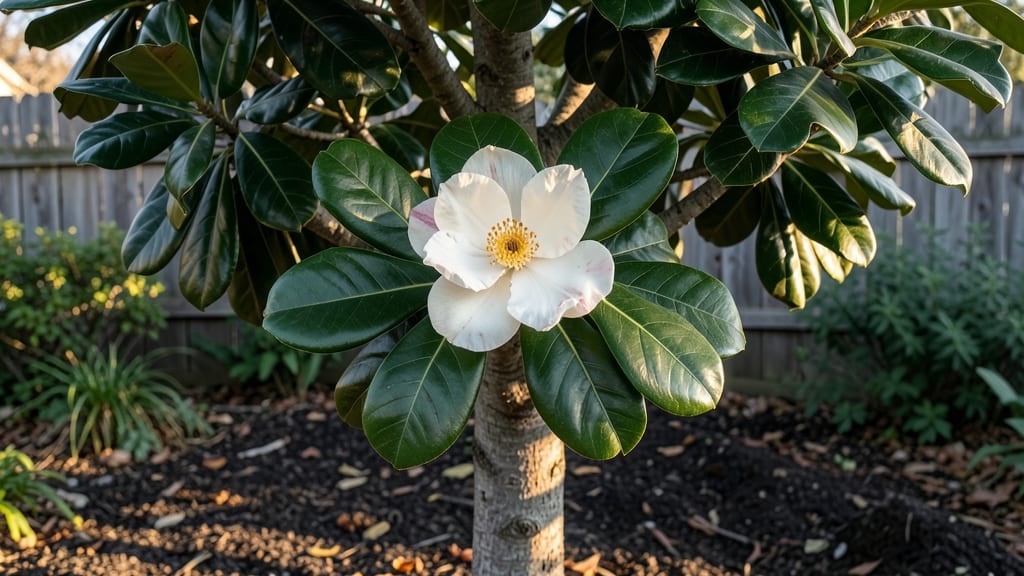
The southern magnolia tree in bloom is like having a living sculpture that never stops performing. Its glossy, creamy-white flowers and leathery evergreen leaves create a showstopping focal point that outshines any other tree in your yard.
Between you and me, I planted mine after seeing one in a neighbor’s garden—now it’s the centerpiece of my landscape, drawing compliments year-round.
What makes this tree so special? It blooms in late spring, but the real magic happens when its fragrant flowers open in May and stay showy for weeks. The dramatic canopy provides shade, while the smooth, gray bark adds winter interest.
Pair it with azaleas, camellias, or boxwoods to create a lush, layered garden that feels like a Southern retreat.
Imagine waking up to that unmistakable, sweet scent drifting through your yard—it’s like a free perfume factory. The tree’s height (30-40 feet) gives it a grand presence, but dwarf varieties work well in smaller spaces too.
Once established, it’s low-maintenance, drought-tolerant, and resistant to pests, making it a foolproof choice for any garden.
Whether you’re designing a formal garden or a relaxed backyard retreat, the southern magnolia delivers year-round beauty with minimal effort. Let’s talk about how to make it the star of your outdoor space—without sacrificing practicality.
📚 In This Guide
- What you need
- Instructions
- Tips and common mistakes
- Wrapping up and next steps
What you need
- ● Southern magnolia tree (Magnolia grandiflora): Choose a healthy 1- to 3-gallon container-grown sapling (or a larger tree if transplanting). Pro tip: Look for trees with firm, glossy leaves and no signs of pests! 💡
- ● Shovel or digging spade: A 12-inch-wide, heavy-duty shovel for planting (or a mattress fork for breaking up compacted soil).
- ● Garden gloves: Nitrile-coated gloves (size medium/large) to protect your hands from thorns and rough bark.
- ● Mulch: 3–4 inches of organic mulch (pine straw, shredded bark, or cypress mulch) to retain moisture and suppress weeds.
- ○ Slow-release fertilizer: 10-10-10 or 8-3-9 blend (1–2 lbs per young tree; reduce for established trees). Optional: Use a magnolia-specific fertilizer for extra nutrients.
- ● Watering can or hose with nozzle: A 5-gallon watering can or soaker hose for deep watering.
- ● Pruning shears: Bypass pruners (for small branches) or loppers (for thicker limbs). Sterilize blades with rubbing alcohol to prevent disease! ✨
- ● Sunlight access: Southern magnolias thrive in full sun to partial shade (6+ hours of sunlight daily). Test your spot with a light meter or observe sunlight patterns for 24 hours.
- ● Well-draining soil: Amend heavy clay soil with compost or peat moss (mix 25% organic matter into the top 12 inches of soil). pH preference: Slightly acidic to neutral (6.0–7.0).
- ● Space allowance: Mature trees reach 60–80 feet tall and 20–30 feet wide. Plant at least 20 feet from structures, sidewalks, or other trees.
- ● Local climate check: Southern magnolias are hardy in USDA Zones 7–10. Verify your zone here.
- ● Tree stake & ties: For young saplings in windy areas (use 3/8-inch nylon straps to avoid girdling).
- ● Soil moisture meter: Ensures your tree gets the right 1–1.5 inches of water per week (adjust for rain).
- ● Pest control: Neem oil spray (for aphids or scale) or dormant oil (for overwintering pests).
- ● Decorative accents: Garden flags, solar lights, or a bench to highlight your magnolia’s blooms! 🌸
Instructions for establishing a thriving southern magnolia tree
Here's how to position your magnolia for decades of fragrant blooms and lush shade.
Select the Perfect Planting Site
Southern magnolias demand full sun to partial shade—at least 6 hours of direct sunlight daily. Choose a spot with well-draining soil and 6-8 feet of clearance from sidewalks or structures, since mature trees can reach 60-80 feet tall with a 30-40 foot spread. I always test drainage by digging a 12-inch hole and filling it with water—if it drains in less than 30 minutes, the site is ideal.
Young trees thrive in slightly acidic to neutral soil (pH 5.0-7.0). If your soil is heavy clay, amend it with 2-3 inches of organic matter like compost or pine bark fines before planting. The tree’s roots will thank you for the extra aeration, especially during Florida’s wet summers.
Prepare the Planting Hole and Transplant
Dig a hole twice as wide as the root ball but no deeper—magnolias hate being buried too deep, which can suffocate roots. Gently loosen the root ball’s edges with your fingers to encourage outward growth. If the roots are circling, make 2-3 vertical cuts to break the girdling.
Place the tree in the hole so the top of the root ball sits 1-2 inches above ground level. Fill the hole with native soil, tamping lightly every 6 inches to remove air pockets. Water deeply to settle the soil, then create a 4-6 inch diameter berm around the base to direct water away from the trunk.
Mulch and Water for Initial Establishment
Spread 3-4 inches of organic mulch (like pine straw or wood chips) in a 3-foot diameter circle, keeping it 6 inches away from the trunk. Mulch conserves moisture and regulates soil temperature, but too much can smother roots. Water 2-3 times per week for the first month, then taper to once a week once new growth appears.
Southern magnolias are drought-tolerant once established, but young trees need consistent moisture. You’ll know you’re watering correctly when the soil feels damp 2 inches below the surface—not soggy, not bone-dry. Avoid overhead watering to prevent fungal issues on the glossy leaves.
Prune for Structure and Health
Prune only in late winter or early spring (before buds swell) to remove dead, diseased, or crossing branches. Use clean, sharp pruners to make cuts just outside the branch collar. Never remove more than 25% of the canopy in one season—magnolias bloom on old wood, so aggressive pruning reduces flowers.
Watch for suckers at the base—these compete with the main trunk for nutrients. Remove them at ground level immediately. If birds nest in the tree, wait until after nesting season (spring/summer) to prune, as magnolias provide critical habitat for native species.
Fertilize and Maintain Long-Term
Apply a balanced, slow-release fertilizer (like 10-10-10) in early spring, following label rates. Over-fertilizing encourages weak growth and reduces flowering. Test soil every 2-3 years—magnolias rarely need amendments if planted correctly, but a light top-dressing of compost in spring keeps nutrients available.
Monitor for magnolia scale or webworms, common pests that weaken trees. Spray with horticultural oil in late winter as a preventive measure. With proper care, your magnolia will reward you with scented blooms from late spring through summer and a dramatic fall color display—proof that patience pays off in the garden.
Tips & tricks for perfect southern magnolia planting
These pro insights will help your magnolia thrive for decades of fragrant beauty and lush shade.
Location Intelligence: While the instructions mention full sun to partial shade, I've found that southern exposures (facing south) give the best balance of light and protection from harsh afternoon sun in hot climates. If planting in northern climates, prioritize southern exposure to maximize winter sunlight exposure. The 6 hours of direct sunlight should be spread throughout the day, not concentrated in morning or afternoon only.
Root Ball Strategy: When loosening the root ball in Step 2, I recommend using a garden fork to gently separate the roots from the container rather than pulling them apart with your fingers. This minimizes root damage while still encouraging outward growth. If you notice roots circling more than three times around the root ball, make those 2-3 vertical cuts to prevent girdling—a common issue that strangles young trees.
Watering Wisdom: The 2-3 times per week watering schedule in the first month assumes average Florida rainfall patterns. In drier climates, you may need to water daily during establishment, while in rainy regions, you might reduce to twice weekly. Always check soil moisture by inserting your finger 2 inches deep—this is more reliable than counting days. The damp-but-not-soggy test is critical, especially after heavy rains when roots can suffocate.
Pruning Precision: For Step 4, I've learned that the 25% canopy limit applies to the entire tree's foliage, not just individual branches. When making cuts, use a clean pruning saw for branches thicker than 2 inches to avoid tearing the bark. The late winter timing is crucial—buds begin swelling around late February in most of the Southeast, so prune before you see any green showing to avoid removing potential flower buds.
Pro Tips for Southern Magnolia Tree In Bloom
- These pro insights will help your magnolia thrive for decades of fragrant beauty and lush shade.
- Location Intelligence: While the instructions mention full sun to partial shade, I've found that southern exposures (facing south) give the best balance of light and protection from harsh afternoon sun in hot climates.
- Root Ball Strategy: When loosening the root ball in Step 2, I recommend using a garden fork to gently separate the roots from the container rather than pulling them apart with your fingers.
Frequently asked questions
Got questions about nurturing a southern magnolia tree in bloom? You’re not alone! Here are answers to the most common queries—from timing to troubleshooting—so you can enjoy that iconic fragrance and lush beauty year-round.
When is the best time to plant a southern magnolia tree?
The ideal window is late fall or early winter (November–February), when the tree is dormant. This gives roots time to establish before spring growth. Avoid planting in extreme heat or frost—your magnolia will thank you with stronger blooms next season!
How long does it take for a southern magnolia to bloom?
Patience is key! Mature trees (10+ years old) typically bloom reliably, but younger ones may take 3–5 years to produce flowers. With proper care—like well-draining soil and full sun—you’ll see those fragrant blooms sooner. Pro tip: Mulch annually to encourage faster growth!
Are there smaller varieties of southern magnolia for tight spaces?
Yes! If space is limited, consider ‘Little Gem’ (20–25 ft tall) or ‘Brickell’ (15–20 ft tall). Both retain the tree’s signature blooms and glossy leaves but fit smaller yards or urban landscapes. Just ensure they still get 6+ hours of sunlight daily.
Why aren’t my southern magnolia leaves turning green?
Yellowing or pale leaves often signal nutrient deficiencies (like iron or nitrogen) or overwatering. Test your soil and amend with compost or a slow-release fertilizer. Check drainage too—soggy roots can stunt growth. If pests (like scale insects) are present, treat with horticultural oil.
Do southern magnolias need extra care during droughts?
While they’re drought-tolerant once established, deep watering once a week (vs. frequent shallow watering) keeps roots happy. Mulch heavily to retain moisture, and avoid pruning during dry spells—stress can delay blooming. Mature trees (5+ years) handle drought better than young ones.
Wrapping up and next steps
The southern magnolia tree in bloom is a true masterpiece of nature—offering year-round fragrance, stunning white blossoms, and a lush canopy that transforms any landscape. Whether you're drawn to its romantic allure or its low-maintenance elegance, this iconic tree promises beauty and tranquility with minimal effort.
Ready to bring this timeless charm to your garden? Start by researching the best planting spot or reach out to a local nursery to find your perfect specimen! 🌿✨