
Blooming
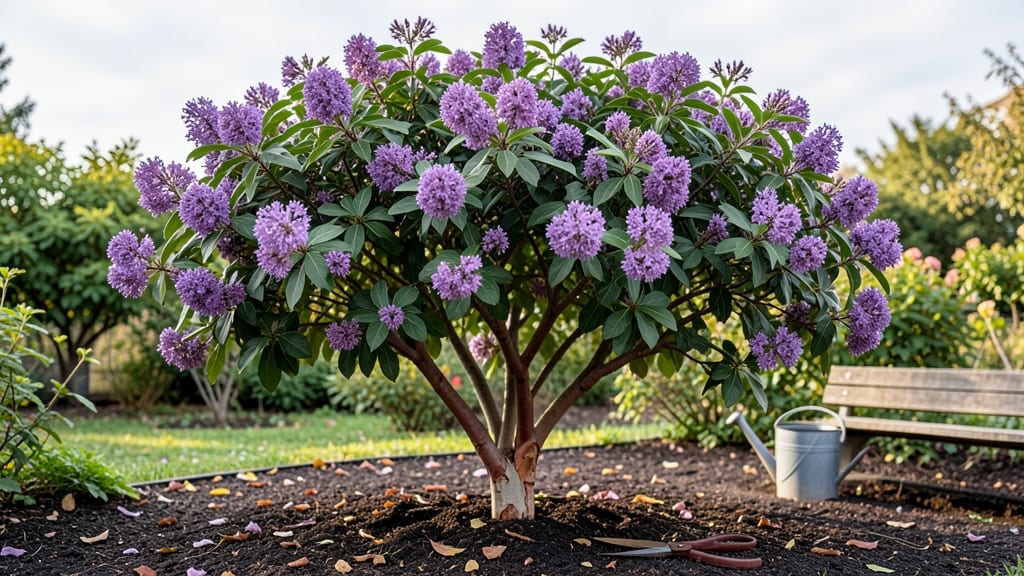
Transforming your yard into a purple paradise starts with the right springtime purple flowering tree. 🌸 These trees don’t just bloom—they create a breathtaking canopy that turns heads every season.
I’ve planted and cared for several varieties, and the redbud and purple smoke tree stand out for their reliable, show-stopping blooms.
Choosing the perfect tree means matching your climate and space to the right variety. Most purple spring bloomers thrive in full sun to partial shade, with well-draining soil that keeps roots happy. Planting in early spring or fall gives roots time to establish before the heat or cold sets in.
Once established, these trees need minimal fuss—just occasional pruning to shape the canopy and remove dead branches.
What you’ll love most is the transformation from bare branches to a riot of purple blossoms that lasts weeks. The sight of bees and butterflies flocking to the flowers makes every effort worthwhile.
These trees also age beautifully, offering year-round interest with their unique bark and foliage. For best results, pair them with spring-blooming perennials like bleeding hearts or hellebores to extend the season’s color show.
Whether you’re a first-time gardener or a seasoned pro, these trees deliver drama with minimal upkeep. The key is patience—give them a few years to mature, and you’ll have a springtime spectacle that neighbors will envy. Ready to add some purple magic to your landscape?
📚 In This Guide
- What you need
- Instructions
- Tips and common mistakes
- Wrapping up and next steps
What you need
- ● Purple flowering tree: 1 Lagerstroemia indica (Crape Myrtle) or Cercis canadensis ‘Heavenly Purple’ (Eastern Redbud) sapling (3–5 ft tall, 1–2 inches in diameter)
- ● OR 5–10 seeds (if starting from scratch—germination takes 2–4 weeks!)
- ● High-quality potting mix: 2–3 bags (sterilized, well-draining soil with compost)
- ● Container or planting hole: For containers: 1 large pot (15+ gallons) with drainage holes
- ● For ground planting: Hole twice as wide as the root ball
- ● Mulch: 1 bag of organic mulch (e.g., shredded bark or pine straw)
- ● Fertilizer: 1 slow-release granular fertilizer (10-10-10 ratio) or
- ● 1 liquid bloom booster (for container plants)
- ● Garden tools: 1 trowel or shovel
- ● 1 pruning shears (sterilized)
- ● 1 watering can or hose with gentle spray nozzle
- ○ 1 gloves (optional but recommended!)
- ● Sunlight spot: Full sun (6+ hours/day) for optimal blooms
- ● Water source: Ready access for deep watering (1–2 times/week)
- ○ Optional but helpful: 1 trellis or support stake (if training young trees)
- ● 1 soil pH tester (ideal range: 5.5–6.5)
- ● 1 fungicide (preventative for saplings)
How to select and plant a reliable purple-blooming spring tree
Here's how to choose a purple-flowering tree that thrives year after year.
🌱 Step 1: Choose the Right Purple-Blooming Species
Not all purple-blooming trees are created equal. For reliable spring color, I recommend Eastern Redbud (Cercis canadensis), which produces vibrant magenta blooms on bare branches, or Japanese Tree Lilac (Syringa reticulata), whose fragrant purple flowers appear before the foliage. Both thrive in USDA Zones 4-8 and handle partial shade.
If you need a larger statement tree, consider Purple Smoke Tree (Cotinus coggygria 'Royal Purple'), which offers both purple foliage and pinkish-purple flower plumes. Always check the mature size—some varieties like Eastern Redbud stay under 25 feet tall, while Japanese Tree Lilac can reach 30-40 feet.
🪴 Step 2: Prepare the Planting Site for Optimal Growth
Purple-blooming trees need well-draining soil with 6.0-7.0 pH. If your soil is heavy clay, amend it with 3-4 inches of compost mixed into the top 12 inches of soil. Dig a hole twice as wide as the root ball but no deeper—planting too deep suffocates roots and causes stress.
Choose a location with full sun to partial shade (at least 4-6 hours of direct light daily). Most purple-blooming trees tolerate some shade, but full sun produces the most vibrant blooms. Avoid low spots where water pools—these trees hate soggy roots.
☀️ Step 3: Plant at the Correct Depth and Water Thoroughly
Remove the tree from its container and loosen any circling roots with your fingers. Place it in the hole so the top of the root ball sits 1-2 inches below the surrounding soil line. Backfill with native soil, pressing gently to eliminate air pockets. A layer of 2-3 inches of mulch (wood chips or shredded bark) helps retain moisture and regulate soil temperature.
Water deeply right after planting—10-15 gallons for a mature-sized tree—to settle the soil and eliminate air gaps. Keep the soil consistently moist (not soggy) for the first 4-6 weeks, checking daily. You'll know it's right when the top 2 inches of soil feel damp but not waterlogged.
✂️ Step 4: Prune for Shape and Encourage Future Blooms
Prune immediately after planting to remove any broken branches and shape the tree. For Eastern Redbud and Japanese Tree Lilac, cut back 1/3 of the oldest stems to encourage new growth and more abundant blooms next spring. Avoid heavy pruning in late summer—it stimulates tender growth that won't harden off before winter.
For Purple Smoke Tree, prune lightly in early spring to maintain its natural, airy form. Never prune in fall—it reduces winter hardiness. Always use clean, sharp pruners and make cuts just outside the branch collar to prevent disease.
Tips & tricks for perfect purple-blooming spring trees
Real talk: The difference between a tree that thrives and one that struggles often comes down to these key details. Here's what nobody tells you about making your purple spring blooms last for years.
Species Selection Wisdom: Eastern Redbud and Japanese Tree Lilac are my top picks because they bloom reliably in Zones 4-8, but here's the thing: Purple Smoke Tree offers year-round interest with its purple foliage and pinkish-purple flowers. If you're in Zone 5 or colder, Eastern Redbud is hardier—it handles winter temperatures down to -30°F. For hotter climates (Zones 7-8), Japanese Tree Lilac performs best with its heat tolerance.
Soil Prep Strategy: That 3-4 inches of compost mixed into the top 12 inches of soil isn't just about drainage—it's about creating the perfect microbial environment. For clay-heavy soils, add coarse sand to improve aeration. And here's a pro move: Test your soil pH before planting. If it's below 6.0, add lime to raise it to that 6.0-7.0 sweet spot. The right pH prevents nutrient deficiencies that can stress your tree and reduce blooming.
Planting Depth Secret: The 1-2 inches below soil line rule prevents girdling (where roots choke the trunk) and ensures proper root establishment. I've seen too many trees planted too deep—this leads to poor growth and reduced flowering. After planting, gently water the root ball to settle soil around the roots, then add your 2-3 inches of mulch keeping it 2-3 inches away from the trunk to prevent rot.
Watering Technique: Those first 4-6 weeks are critical—think of it as the tree's "baby phase." I recommend using a soaker hose for deep watering rather than surface sprinkling. The goal is to keep that top 2 inches of soil consistently damp, not soggy. A simple moisture meter makes this easy—aim for readings between 30-50% moisture in that zone. Overwatering is just as damaging as underwatering.
Pro Tips for Springtime Purple Flowering Tree
- Real talk: The difference between a tree that thrives and one that struggles often comes down to these key details.
- If you're in Zone 5 or colder, Eastern Redbud is hardier—it handles winter temperatures down to -30°F.
- Soil Prep Strategy: That 3-4 inches of compost mixed into the top 12 inches of soil isn't just about drainage—it's about creating the perfect microbial environment.
Frequently asked questions
Got questions about your dream springtime purple flowering tree? Here are answers to the most common ones to help you grow with confidence!
When can I expect my purple flowering tree to bloom?
Most purple spring bloomers like Lagerstroemia (Crape Myrtle) or Wisteria typically flower between late spring and early summer, depending on your climate. Young trees may take 2-5 years to reach full blooming potential. Planting in well-draining soil and providing full sun (6+ hours/day) speeds up the process!
How do I keep my tree blooming year after year?
Consistent care is key! Prune after blooming to encourage new growth, and fertilize in early spring with a balanced, slow-release formula. Avoid overwatering—deep but infrequent watering prevents root rot. Mulch around the base (but not touching the trunk) retains moisture and regulates soil temp.
What are some low-maintenance alternatives to high-upkeep purple trees?
If you want stunning purple blooms with less fuss, try:
- Butterfly Bush (Buddleia) – Drought-tolerant, attracts pollinators, blooms mid-to-late summer.
- Weigela – Fast-growing, cold-hardy, and blooms in spring/early summer.
- Smoke Tree (Cotinus) – Unique purple foliage + pinkish blooms, thrives in poor soil.
Will my purple tree survive harsh winters?
Most purple flowering trees are hardy to USDA Zones 5-9, but young trees or tender varieties (like Wisteria) may need winter protection. Wrap the trunk with burlap, mulch heavily (4-6 inches), and avoid pruning late in the season. Crape Myrtle and Weigela are top picks for cold climates!
Why aren’t my tree’s flowers as vibrant as they should be?
Dull or sparse blooms often signal nutrient deficiencies (try a phosphorus-rich fertilizer) or over-pruning. Check for pests like aphids or spider mites (spray with neem oil if needed). Too much shade or compacted soil can also reduce flowering. Test your soil pH—most purple bloomers prefer slightly acidic to neutral (6.0-7.0).
Wrapping up and next steps
Transforming your garden with a springtime purple flowering tree isn’t just about beauty—it’s about creating a lasting legacy of color and joy. Whether you’ve chosen a Lagerstroemia, Cercis canadensis, or another stunning variety, your efforts will reward you with season-after-season blooms that brighten every spring. 🌸
Now that you’re armed with the knowledge to plant, care for, and troubleshoot, it’s time to roll up your sleeves and get growing! Start by marking your calendar for planting season, then take the first step—visit a local nursery or order your tree online. Your future purple paradise awaits!