
Pruning
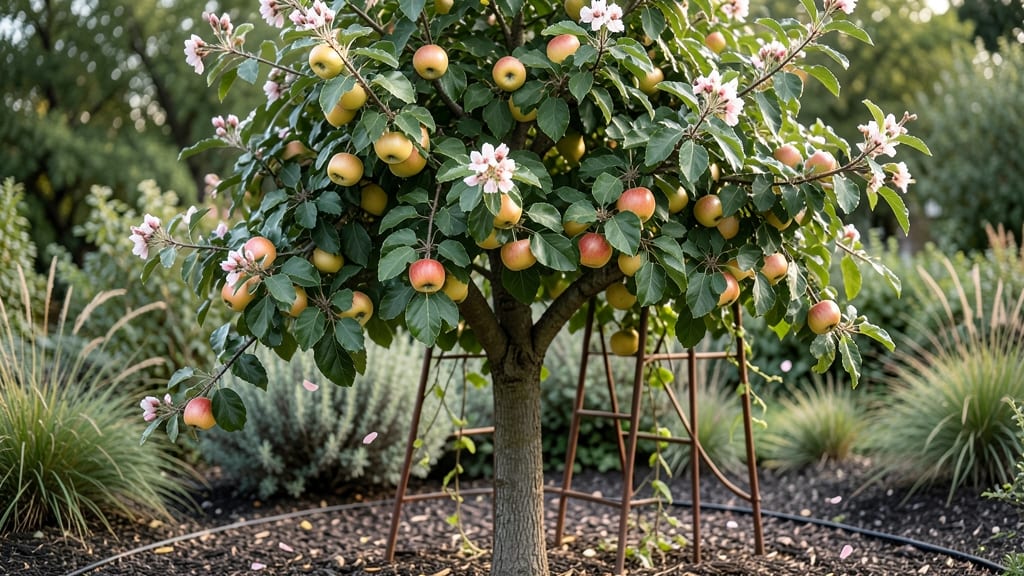
The Sweetango apple tree delivers crisp, honey-sweet fruit from summer through fall—perfect for small yards where space is tight but flavor isn’t. 🍏 I planted mine last spring, and by August, I was harvesting apples that tasted like a mix of Fuji and Golden Delicious, but with a fraction of the fuss.
The secret lies in its compact growth habit and disease-resistant roots, which means fewer pruning headaches and more time enjoying the harvest.
This tree thrives in well-draining soil with 6+ hours of sunlight daily, and its dwarf rootstock keeps it manageable—even in containers if needed. Watering is straightforward: deep soaks once a week during dry spells, but never soggy soil.
Pruning in late winter shapes the tree while encouraging those luscious summer apples, and the variety’s natural resistance to common pests means fewer sprays and more organic growing.
By year two, you’ll be picking dozens of apples—some ready to eat fresh, others perfect for baking or storing through winter. The tree’s small size also makes it ideal for urban gardens or patios, where most apple varieties would sprawl uncontrollably.
With the right care, your Sweetango could become the star of your backyard, producing fruit for decades with minimal effort.
Whether you’re a first-time grower or a seasoned orchard keeper, this tree adapts easily to most climates (zones 5-9) and delivers reliable harvests with less work than traditional apple varieties. Let’s get yours planted—and tasting—sooner than you think!
📚 In This Guide
- What you need
- Instructions
- Tips and common mistakes
- Wrapping up and next steps
What you need
- ● Sweetango apple tree sapling (bare-root or potted, disease-resistant variety preferred)
- ● Pruning shears (bypass pruners, 7–9" blades, sharp and clean)
- ● Loppers (for thicker branches, 18–24" cutting capacity)
- ● Hand pruning saw (for branches >2" in diameter)
- ● Disinfectant (70% isopropyl alcohol or bleach solution) (1 part bleach to 9 parts water)
- ○ Pruning sealant (optional but recommended for cuts >0.5")
- ● Gloves (cut-resistant for safety)
- ● Sturdy pruning bag or bucket (for collecting debris)
- ● Measuring tape (for assessing branch thickness and spacing)
- ● Garden hose or spray bottle (for cleaning tools and rinsing sap)
- ● Extension pole pruners (for high branches in compact orchards)
- ● Tree climbing spikes or step ladder (if your tree is tall)
- ● Labeling tags (to mark pruning cuts or tree varieties)
- ● Compost or mulch (to protect roots post-pruning)
- ● Fertilizer (balanced 10-10-10 or organic options) (for post-pruning recovery)
- ● Safety glasses (if working with large branches)
How to plant and maintain a thriving Sweetango apple tree
This dwarf variety delivers sweet, crisp fruit with minimal space—here's how to set it up right.
🪴 Step 1: Select the Perfect Planting Site
Sweetango trees thrive in full sun—choose a spot with at least 6 hours of direct sunlight daily. The tree's compact size means it doesn't need a sprawling orchard, but it does require good airflow to prevent disease. I always look for a location with morning sun exposure, which helps prevent sunburn on the fruit.
Test the soil pH before planting—Sweetango apples prefer slightly acidic soil between 6.0 and 6.5. If your soil tests higher, amend with 2-3 pounds of sulfur per 100 square feet and mix it into the top 12 inches of soil. The tree's roots will appreciate the extra effort, especially in the first growing season.
🌱 Step 2: Plant at the Right Depth and Stake for Support
Dig a hole twice as wide as the root ball but only as deep. The top of the root ball should sit 1-2 inches above ground level—this prevents water from pooling around the trunk and causing rot. Gently remove the tree from its container and loosen any circling roots with your fingers.
Place the tree in the hole and backfill with the native soil, tamping down lightly every 4 inches to eliminate air pockets. Install a 5-foot stake next to the tree and secure it with 2-3 soft tree ties (never use wire—it can damage the bark as the tree grows). Water deeply right after planting to settle the soil and encourage root expansion.
☀️ Step 3: Water and Fertilize for Optimal Growth
Water the tree deeply once a week during the first growing season, providing 10-15 gallons per watering. The goal is to encourage deep root growth, so let the top 6 inches of soil dry out between waterings. Overhead watering can spread disease, so use a soaker hose or drip irrigation placed at the tree's base.
Fertilize in early spring with a balanced 10-10-10 fertilizer, applying ½ pound per inch of trunk diameter. For a 3-inch caliper tree, that's about 1½ pounds spread evenly in a 12-inch diameter circle around the trunk. Avoid high-nitrogen fertilizers—they promote leafy growth at the expense of fruit production, which is the last thing you want with a Sweetango.
✂️ Step 4: Prune for Shape and Fruit Production
Prune your Sweetango in late winter or early spring before buds break. Remove any dead, diseased, or crossing branches first—they compete for energy and can harbor pests. Then, cut back last year's growth by one-third to encourage new fruiting spurs. I always make cuts just above an outward-facing bud to maintain an open canopy.
Thin fruit in late spring when apples are ½ inch in diameter, leaving 6-8 inches between each fruit. This ensures larger, sweeter apples and reduces the risk of disease from overcrowding. Use sharp pruning shears and make clean cuts—ragged edges invite infection. After pruning, apply a copper fungicide spray as a preventative measure.
🌿 Step 5: Protect and Maintain Through the Seasons
In fall, apply a 3-inch layer of mulch (like wood chips) around the tree's base, keeping it 6 inches away from the trunk. This insulates the roots in winter and retains moisture in summer. Remove any fallen leaves or debris from around the tree to reduce disease pressure over winter.
Sweetango trees are self-pollinating, but you'll still get better yields if you plant two trees within 50 feet of each other. Monitor for common pests like apple maggots and aphids—a neem oil spray in early summer keeps them at bay without harming beneficial insects. With consistent care, your tree will produce fruit year-round in warm climates or a long harvest season in cooler areas.
Tips & tricks for perfect Sweetango apple tree care
Real talk: Your Sweetango's success starts with these small but mighty details that separate a struggling sapling from a fruit-bearing powerhouse.
Sunlight Strategy: While the instructions call for at least 6 hours of direct sunlight, I've found that positioning your tree to capture morning sun (when temperatures are cooler) actually prevents sunburn on the fruit while still giving you that full sun exposure. If you're in a hot climate, consider providing afternoon shade during peak summer months—this can make a huge difference in fruit quality without sacrificing growth.
Soil Science: The pH range of 6.0-6.5 is critical, but here's what nobody tells you—the sulfur amendment should be worked into the soil at least 2 weeks before planting. This gives the soil microbes time to adjust and prevents potential root burn from sudden chemical changes. I always test soil again after amending to confirm the pH shift actually happened.
Watering Wisdom: That 10-15 gallon weekly watering guideline assumes average soil conditions. In sandy soils, you might need to water more frequently (every 4-5 days) because water drains too quickly. The key is always checking soil moisture—stick your finger 2-3 inches down. If it's dry at that depth, it's time to water. This prevents both underwatering and the root rot that comes from soggy soil.
Pruning Precision: When you're cutting back last year's growth by one-third in Step 4, focus on removing branches that grow inward or downward. These compete with the outward-facing buds you want to encourage. I use a small flag or piece of tape to mark branches I'll prune—this prevents me from accidentally cutting the wrong ones when I'm working quickly.
Pro Tips for Sweetango Apple Tree
- Real talk: Your Sweetango's success starts with these small but mighty details that separate a struggling sapling from a fruit-bearing powerhouse.
- If you're in a hot climate, consider providing afternoon shade during peak summer months—this can make a huge difference in fruit quality without sacrificing growth.
- Soil Science: The pH range of 6.0-6.5 is critical, but here's what nobody tells you—the sulfur amendment should be worked into the soil at least 2 weeks before planting.
Frequently asked questions
How often should I prune my Sweetango apple tree?
The Sweetango thrives with annual pruning in late winter or early spring (before buds swell). Focus on removing dead, diseased, or crossing branches and thinning out excess growth to improve airflow. For young trees, prune lightly to encourage a strong structure. Pro tip: Use sharp, clean tools to avoid damaging the tree!
Can I grow a Sweetango apple tree in containers?
The Sweetango is perfect for container gardening due to its compact size. Choose a pot at least 18–24 inches wide and deep with drainage holes. Use a well-draining potting mix and repot every 2–3 years as the tree grows. Place it in full sun (6+ hours daily) and water consistently—containers dry out faster!
What pests should I watch for with Sweetango apple trees?
Common pests include aphids, codling moths, and apple maggots. Monitor leaves and fruit regularly. For aphids, blast them off with water or use insecticidal soap. To deter codling moths, wrap the trunk with tree bands or use organic sprays like neem oil. Prevention is key: Keep the area around the tree clean and mulch to reduce hiding spots!
How long does it take for a Sweetango apple tree to bear fruit?
With proper care, a Sweetango apple tree can produce fruit in as little as 2–3 years! However, full harvest potential is usually reached by year 4–5. For faster fruiting, consider planting two trees close together to encourage pollination (even if self-pollinating, cross-pollination boosts yields). Patience pays off—sweet rewards await!
What’s the best climate for growing Sweetango apple trees?
The Sweetango is adaptable but prefers USDA zones 5–9, thriving in cool to moderate climates. It handles light frost but may need protection in extreme cold. Avoid hot, humid summers without airflow, as this can stress the tree. If you’re in a warmer zone, provide afternoon shade and consistent watering to keep it happy!
What can I do if my Sweetango tree isn’t fruiting?
If your tree isn’t producing, check these common issues:
- Age: Young trees (under 3 years) may not fruit yet.
- Pollination: Even self-pollinating varieties benefit from nearby trees.
- Pruning: Over-pruning can reduce fruit production—aim for balance.
- Nutrients: Test soil for nitrogen, phosphorus, and potassium imbalances.
- Environment: Ensure full sun (6+ hours) and proper watering.
Wrapping up and next steps
Growing a Sweetango apple tree is your golden ticket to a year-round harvest—even in small spaces! With the right pruning techniques, you’ll enjoy crisp, flavorful fruit while keeping your compact orchard thriving. Whether you’re a beginner or a seasoned gardener, this blueprint makes it simple and rewarding.
Ready to take the next step? Start by reviewing your pruning schedule or browsing common questions to tackle any lingering doubts. Grab your shears, roll up your sleeves, and watch your Sweetango tree become the star of your garden! 🌱✨