
Pruning
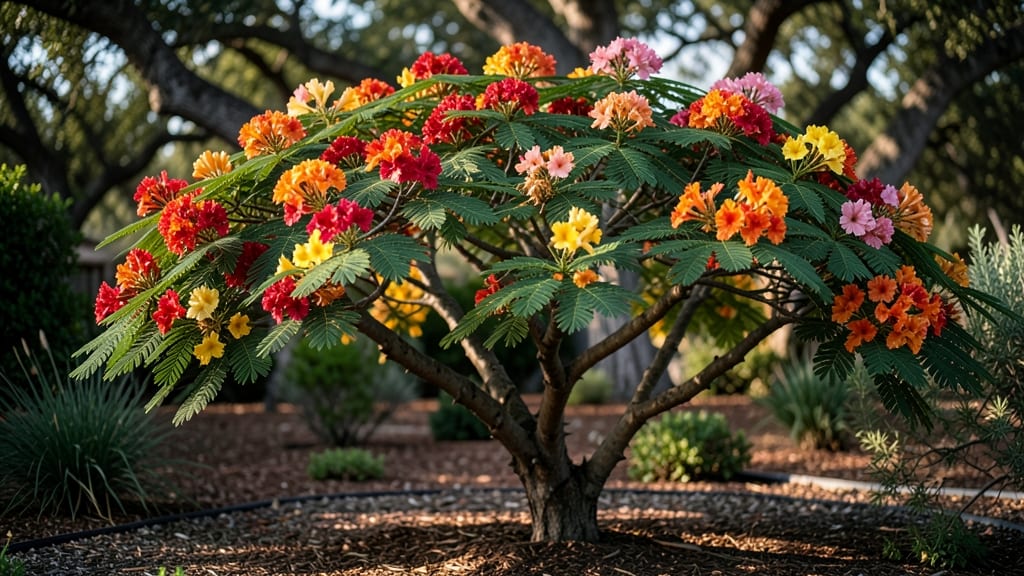
The rainbow tree transforms any garden into a living watercolor with its vibrant foliage and seasonal color shifts—yet most people overlook how three simple cuts keep it thriving year-round.
I’ve pruned mine every spring for five years, and the difference is night-and-day: dense growth, brighter colors, and branches that frame my patio perfectly. The key isn’t complicated—it’s about timing and direction, not aggressive trimming.
This isn’t about turning your tree into a topiary masterpiece (unless you want to). You’ll focus on three strategic cuts: shaping the canopy for sunlight, removing dead wood, and encouraging new growth where you want it.
Most rainbow trees—like the Cercis canadensis or Acer palmatum—respond beautifully to light pruning, and you’ll see fresh foliage emerge within weeks. The best part? No special tools beyond sharp pruners and a ladder (or sturdy stool for smaller trees).
By summer, your tree will burst with jewel-toned leaves that shift from pink to purple to gold, depending on the variety. Place it where you’ll see it daily—a focal point near a seating area or as a backdrop for flowering shrubs.
Pair it with hostas or ferns for contrast, or let it stand alone as a conversation starter. The payoff? A tree that looks intentional, not neglected, with minimal effort.
Works for urban yards, cottage gardens, or even large containers if you’re working with dwarf varieties. Once you master these cuts, you’ll wonder why you ever hesitated—it’s that simple. Let’s get those pruners ready!
📚 In This Guide
- What you need
- Instructions
- Tips and common mistakes
- Wrapping up and next steps
What you need
- ● Pruning shears: Bypass pruners (sharp, clean, and sterilized with rubbing alcohol) for small branches.
- ● Loppers: For thicker branches (up to 2 inches in diameter). Look for bypass-style loppers for precision cuts.
- ○ Hand saw: A pruning saw with a curved blade for stubborn, larger limbs (optional but helpful).
- ● Gloves: Heavy-duty gardening gloves to protect hands from thorns or rough bark.
- ● Disinfectant: 70% isopropyl alcohol or a pruning sealant (like tree wound dressing) to prevent disease.
- ● Bucket or bag: A small container to collect clippings (compostable bags work great!).
- ● Notebook & pen: To jot down notes on cuts made (trust us, it helps track progress!).
- ● Extension pole: For hard-to-reach branches—saves your back!
- ● Ladder: A sturdy, non-slip ladder if your tree is tall (safety first!).
- ● Tree growth regulator: Organic options like seaweed extract to promote vibrant regrowth (apply post-pruning).
- ● Camera: Snap before/after pics to track your Rainbow Tree’s transformation!
Step-by-step guide to pruning your rainbow tree for year-round growth
Three strategic cuts will keep your rainbow tree vibrant, healthy, and full of life—no complicated techniques required.
Assess and Prepare for the First Structural Cut
Start by examining your rainbow tree for any dead, crossing, or overcrowded branches. These are your first targets. I always begin with the topmost branches, working my way down—this prevents accidentally damaging healthy growth while you're focused on problem areas. Use sharp, clean pruning shears to make precise cuts just above a leaf node or outward-facing bud.
Here's the thing—rainbow trees respond best when you prune during late winter or early spring, just as new growth begins. You'll know it's the right time when you see tiny leaf buds swelling along the branches. Avoid pruning in extreme heat or cold, as this stresses the plant and slows recovery. If you're unsure, wait until you see at least 20% of the buds opening.
Thin the Canopy for Better Airflow and Light Penetration
Next, focus on thinning the canopy to improve airflow and sunlight distribution. Look for branches that are growing inward or rubbing against each other—these create weak points and invite disease. I like to remove about 20-25% of the foliage in this step, but never more than a third at once. This ensures the tree doesn’t go into shock while still promoting a fuller, more balanced shape.
Make your cuts at a 45-degree angle, about ¼ inch above an outward-facing bud. This encourages new growth to fill the space naturally. You’ll notice the tree’s structure becomes more open, which reduces humidity buildup in dense foliage—a common issue with rainbow trees. If you’re pruning in summer, do this in the early morning or late afternoon to minimize stress from heat and sun exposure.
Shape and Encourage New Growth with Final Cuts
The final step is shaping the tree to your preference while encouraging new growth. Focus on branches that are growing in directions you don’t want—these are easy to spot because they’ll be thinner and less vigorous. Cut them back to a strong lateral branch or bud. For a fuller look, I often leave a few smaller branches that add texture without overcrowding.
This is where it gets fun—watch how the tree responds over the next few weeks. You’ll see new shoots emerging from the buds you left behind, filling in any gaps and creating a denser, more vibrant canopy. If you notice any new growth that’s too leggy or sparse, give it a little pinch (just snip the tip) to encourage bushier development. Avoid heavy pruning in late summer, as this can stimulate tender new growth that won’t harden off before winter.
Clean Up and Monitor for Recovery
After pruning, remove all fallen leaves and debris from the area to prevent fungal growth. Sterilize your pruning tools with rubbing alcohol to avoid spreading disease between cuts. I always give the tree a light application of a balanced, water-soluble fertilizer after pruning to support new growth. Water deeply but avoid soaking the soil, as this can drown the roots and slow recovery.
Monitor the tree closely for the first two weeks. You’ll know you’ve done it right when you see fresh, bright green leaves emerging from the pruned areas. If you notice any yellowing or wilting, it’s usually a sign of over-pruning or stress—just reduce watering slightly and keep the tree in a stable environment. With these simple cuts, your rainbow tree will stay lush, healthy, and full of life year-round.
Tips & tricks for perfect rainbow tree pruning
Mastering these three strategic cuts is all about timing, technique, and patience—here's how to elevate your rainbow tree's health with precision.
Timing is Everything: The late winter or early spring window is non-negotiable for rainbow trees. Look for those tiny leaf buds swelling along branches—this is your perfect cue. If you're unsure, the "20% bud opening" rule is foolproof: wait until at least one in five buds show visible swelling. Pruning outside this window risks stressing the tree, especially in extreme heat or cold.
The 45-Degree Angle Secret: When making cuts in Step 2, that precise 45-degree angle above an outward-facing bud isn't just aesthetic—it's biological. This technique directs growth outward, creating a fuller canopy while preventing inward growth that blocks sunlight. For reference, imagine cutting at a quarter-to position on an imaginary clock face. This small detail makes all the difference in your tree's long-term structure.
Stress Reduction Strategies: Never remove more than one-third of the foliage in a single session, as specified in Step 2. This 20-25% guideline is your safety net against shock. For summer pruning, always choose early morning or late afternoon to minimize heat stress. I've seen trees recover beautifully from careful pruning, but even rainbow trees can struggle when pushed too hard.
Recovery Monitoring: After pruning, your two-week recovery window is critical. Watch for fresh, bright green leaves emerging from pruned areas—this is your confirmation that the cuts were successful. If you notice yellowing, it's usually a sign of over-pruning or stress. In this case, reduce watering slightly and maintain stable conditions until new growth appears. This attentive care ensures your rainbow tree thrives year-round.
Pro Tips for The Rainbow Tree
- Mastering these three strategic cuts is all about timing, technique, and patience—here's how to elevate your rainbow tree's health with precision.
- Timing is Everything: The late winter or early spring window is non-negotiable for rainbow trees.
- The 45-Degree Angle Secret: When making cuts in Step 2, that precise 45-degree angle above an outward-facing bud isn't just aesthetic—it's biological.
Frequently asked questions
Got questions about keeping your Rainbow Tree vibrant year-round?
Here are some of the most common concerns—plus quick fixes to keep your tree thriving with minimal effort!
When is the best time to prune a Rainbow Tree?
The ideal time is late winter or early spring (just before new growth starts). For minor touch-ups, you can prune lightly after flowering (summer) or in fall—but avoid heavy cuts then, as it can stress the tree. Pro tip: If you miss the window, a light prune anytime (except winter dormancy) is better than none!
How do I know which branches to cut?
Focus on:
- Dead/diseased branches (snip at the base)
- Crossing or rubbing branches (remove one to prevent damage)
- Overcrowded growth (thin out to improve airflow)
- Long, leggy stems (cut back to a healthy bud or side branch)
What if my Rainbow Tree bleeds after pruning?
Some trees (like Cercis canadensis) ooze sap—this is normal! It won’t harm the tree. To minimize mess, prune on a dry day and use sharp tools. Seal larger cuts (over ½ inch) with pruning sealant if you’re concerned, but small cuts will heal on their own.
Can I prune a Rainbow Tree in winter?
Avoid heavy pruning in winter (Dec–Feb), as dormant trees are more vulnerable to disease. However, you can remove dead wood or safety hazards anytime. If you must prune in winter, do it on a mild day (above freezing) and sterilize tools to prevent fungal issues.
What’s the easiest alternative if I don’t want to prune?
If pruning feels overwhelming, try:
- Selective shaping (just trim a few branches for airflow)
- Mulching (2–3 inches of organic mulch retains moisture)
- Fertilizing (balanced 10-10-10 in spring boosts growth)
- Watering deeply (1–2 inches weekly, especially in drought)
Wrapping up and next steps
The Rainbow Tree isn’t just a burst of color—it’s a symbol of resilience and beauty that thrives with care. By mastering those three simple cuts—spring shaping, summer thinning, and seasonal cleanup—you’ve unlocked the secret to year-round lushness. 🌿✨
Now, channel that green thumb confidence! Grab your pruners, step outside, and give your tree the love it deserves. Next up? Share your before-and-after transformation with fellow gardeners—inspiration spreads like wildflowers! 🌈💚