
Pruning
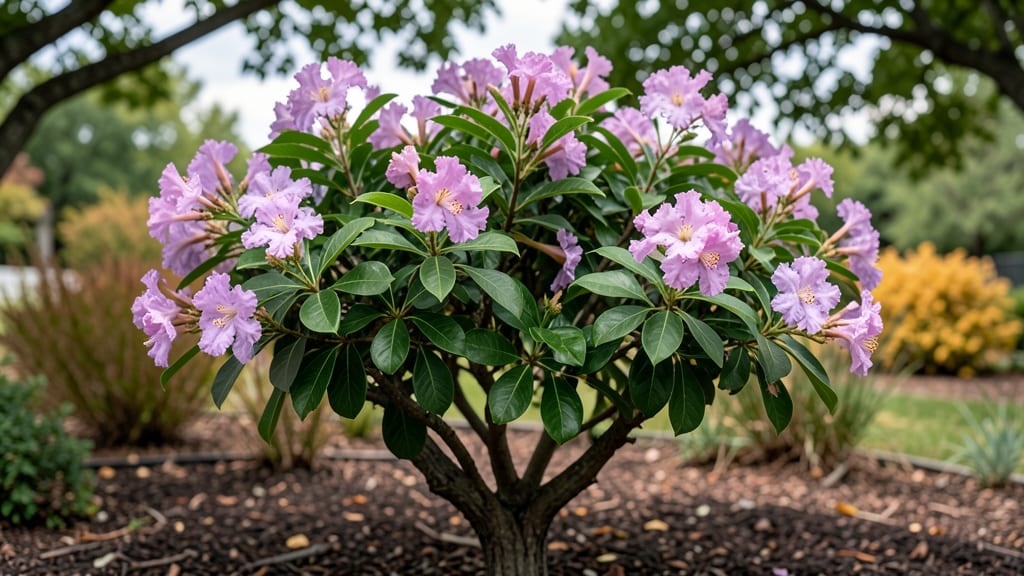
The purple pink tree in your front yard isn’t just a seasonal showstopper—it’s a living masterpiece that steals the spotlight from spring through fall. 🌿 I’ve pruned my Purple Leaf Plum every year for five seasons, and the difference between a wild, sprawling mess and a neat, colorful canopy is just a few strategic cuts.
The key isn’t aggressive trimming but shaping the branches to highlight those stunning purple-pink leaves while keeping the tree’s natural elegance. What makes these trees special is how they transform with the seasons: fiery pink blooms in spring, deep purple foliage in summer, and golden-orange hues in fall.
Plant yours where it gets 6+ hours of sunlight daily—near a patio or walkway so you can enjoy the show up close. Pair it with silver foliage plants like lamb’s ear or lavender to make the colors pop even more. The payoff?
A tree that looks manicured without the fuss of constant pruning. You’ll spend about 30 minutes a year shaping it, and the results—vibrant color, compact size, and year-round interest—will make your neighbors ask for your secret.
Let’s get to the simple steps that keep it looking stunning all season long.
Here’s the thing—these trees thrive when you prune lightly but intentionally. Focus on removing crossing branches and dead wood first, then shape the outer canopy to encourage fuller growth at the edges.
Think of it like giving your tree a fresh haircut: shorter layers at the bottom, longer on top. The goal is to open up the center so sunlight reaches all those purple leaves, keeping them rich and vibrant instead of sparse and leggy.
For best results, prune right after the tree finishes blooming in late spring, before new growth starts. Avoid heavy cuts in fall or winter—they stress the tree and can lead to fewer flowers next spring.
If you’re working with a young tree, a light shaping every year will set it up for a lifetime of showstopping color with minimal effort.
📚 In This Guide
- What you need
- Instructions
- Tips and common mistakes
- Wrapping up and next steps
What you need
- ● Bypass pruners (sharp, 6-8" blades) – For clean cuts on small to medium branches.
- ● Loppers (20-24" handles) – For thicker branches (½" to 2" diameter).
- ● Pruning saw (curved blade) – For stubborn, large branches (2"+ diameter).
- ○ Extension pole saw (optional) – For high branches without a ladder.
- ● Hand pruners (bypass or anvil) – For fine-tuning and shaping.
- ● Gloves (cut-resistant, gardening-grade) – Protect your hands from thorns and sharp edges.
- ● Safety glasses – Shield your eyes from debris.
- ● Disinfectant (70% isopropyl alcohol or pruning sealant) – Prevents disease spread between cuts.
- ● Rubbing alcohol wipes (1 pack) – Quick tool sterilization.
- ● Twine or zip ties – For supporting weak branches temporarily.
- ○ Sharpie or pruning marker – Mark branches for removal (optional but helpful!).
- ● Heavy-duty trash bags – For collecting pruned branches.
- ● Knowledge of your tree’s variety – Some purple pink trees (e.g., Cercis or Lagerstroemia) respond differently to pruning.
- ● Weather check – Prune on a dry, calm day to avoid spreading disease or stressing the tree.
- ● Ladder or sturdy stool – For reaching higher branches safely.
Step-by-Step guide to pruning a purple pink tree for a compact canopy
Here's how to shape your tree for vibrant year-round color without sacrificing health.
🪴 Step 1: Assess the Tree's Structure and Seasonal Needs
Start by examining your purple pink tree's current form, focusing on where the brightest foliage appears. Purple pink trees like Cercis canadensis 'Alba' or Lagerstroemia varieties often show their most vivid colors when pruned to encourage dense branching. Look for water sprouts (thin, vertical growth) and crossing branches that compete for sunlight.
I like to prune in late winter or early spring before new growth begins, but you can also do a light shaping in early fall to maintain color intensity. Avoid heavy pruning in summer—it stresses the tree and can reduce fall foliage vibrancy. Use sharp, clean pruning shears to make cuts just outside the branch collar (the swollen area where the branch meets the trunk).
✂️ Step 2: Remove Dead, Diseased, or Weak Growth
Start with sanitation cuts—remove any branches that are dead, diseased, or broken. These are easy to spot: they won’t bend when tested, have no leaves, or show signs of fungus (black spots, powdery mildew). Bag and dispose of these branches immediately to prevent spreading pathogens. Healthy branches should have a smooth, green bark and respond slightly when bent.
Next, thin out overcrowded areas where branches rub against each other. This prevents bark damage and improves airflow, which is critical for maintaining the tree’s vibrant purple-pink hues. I aim to remove about 10-15% of the tree’s canopy in one session—never more than that to avoid shock. If your tree is young (under 5 years), limit pruning to 5-10% to encourage robust growth.
🌿 Step 3: Shape for Density and Color Concentration
To encourage a compact, colorful canopy, focus on selective pruning to open the center of the tree. Start by trimming back overly long branches to maintain a balanced shape. Cut just above an outward-facing bud to redirect growth away from the center. This creates a fuller, bushier appearance and ensures sunlight reaches inner branches, which often produce the most intense purple-pink foliage.
For Lagerstroemia (crepe myrtle) varieties, I also prune back last year’s flower stems to the first set of strong buds. This encourages new growth that will bloom with showy pink or purple flowers in summer. Avoid "topping" the tree (cutting the main stem flat)—this leads to weak, leggy growth and reduces color vibrancy. Instead, make cuts at a 45-degree angle just above a bud or branch.
☀️ Step 4: Maintain Year-Round Color with Strategic Trims
After the initial pruning, feed the tree with a balanced, slow-release fertilizer (10-10-10) to support new growth. Purple pink trees thrive in full sun to partial shade, but if your tree is in a shady spot, prune to remove any overly dense branches that block light. This ensures even color distribution across the canopy. Water deeply after pruning to help the tree recover, especially if you’ve removed a significant portion of the foliage.
For year-round color, schedule a light maintenance trim in early fall to remove any yellowing or sparse branches. This keeps the tree looking its best and prevents deadwood from detracting from the purple-pink display. Mulch around the base with 2-3 inches of organic mulch to retain moisture and protect roots during winter. Avoid piling mulch against the trunk—keep it 2-3 inches away to prevent rot.
Tips & tricks for perfect purple pink tree pruning
These strategic pruning techniques will help you maintain a stunning, compact canopy that bursts with vibrant color all year.
Timing is Everything: The late winter or early spring timing mentioned in Step 1 is ideal because it allows the tree to heal before summer's heat stress. If you must prune in summer, do only light maintenance—never more than 10% of the canopy—and always water deeply afterward. For fall pruning, focus on removing only yellowing or sparse branches to preserve energy for winter. The goal is to avoid shocking the tree when it's already working hard to maintain its signature purple-pink hues.
Tool Precision Matters: Sharp, clean pruning shears are non-negotiable—they create cleaner cuts that heal faster. I recommend sterilizing your tools with rubbing alcohol between cuts, especially when removing diseased branches in Step 2. For thicker branches (over 1 inch), use a pruning saw instead of shears to avoid tearing the bark. The cleaner the cut, the better the tree's chance to seal itself and prevent disease entry points that could dull those vibrant colors.
Canopy Percentage Rule: That 10-15% guideline in Step 2 is your safety net—never exceed it in a single session. For mature trees, I often split pruning into two sessions spaced 4-6 weeks apart to minimize stress. If your tree is young (under 5 years), stick strictly to the 5-10% limit. Remember, the goal is to encourage dense branching that produces those intense purple-pink leaves, not to strip the tree bare. Think of it like giving your tree a haircut that maintains volume rather than thinning it out.
Post-Pruning Care: After completing all steps, the 10-10-10 fertilizer recommendation in Step 4 is perfect for supporting new growth. I always follow up with a deep watering that saturates the root zone to about 12 inches deep. For the first week after pruning, monitor the tree closely—if you notice wilting or leaf drop, it's a sign of stress and may require additional watering. The key is to help the tree recover while maintaining its compact shape and vibrant color.
Pro Tips for Purple Pink Tree
- These strategic pruning techniques will help you maintain a stunning, compact canopy that bursts with vibrant color all year.
- Timing is Everything: The late winter or early spring timing mentioned in Step 1 is ideal because it allows the tree to heal before summer's heat stress.
- Tool Precision Matters: Sharp, clean pruning shears are non-negotiable—they create cleaner cuts that heal faster.
Frequently asked questions
Got questions about pruning your purple pink tree for stunning year-round color? You’re not alone! Here are answers to the most common queries to keep your tree thriving and vibrant.
What’s the best time of year to prune a purple pink tree for maximum color?
Prune your purple pink tree (like Cercis canadensis ‘Alba’ or Lagerstroemia ‘Tuscarora’) in late winter or early spring (February–March) before new growth appears. This timing ensures you remove dead wood while preserving buds that’ll bloom with those gorgeous pink-purple hues. Avoid heavy pruning in fall—it can stress the tree before winter.
How much can I trim back a purple pink tree without harming it?
For most varieties, you can safely remove up to 25–30% of the canopy per year. Focus on dead, diseased, or crossing branches first, then thin out dense areas to improve airflow. Avoid over-pruning—your tree’s vibrant color comes from its foliage and flowers, so preserve a balanced shape. Pro tip: Use sharp bypass pruners for clean cuts!
Will pruning affect the tree’s flowers or fall foliage?
Pruning correctly won’t kill the flowers or fall color! In fact, light pruning in late winter encourages more blooms by removing old wood. For trees like Lagerstroemia (crapemyrtle), prune after flowering to avoid cutting off next year’s buds. Fall foliage? Prune only after leaves drop to avoid sacrificing next season’s vibrant hues.
Are there alternatives to purple pink trees for small yards?
If space is tight, consider these compact, colorful alternatives:
- Dwarf Japanese Maple (‘Bloodgood’): Deep red-purple leaves year-round.
- Compact Crape Myrtle (‘Natchez’): Pink blooms and peeling bark.
- Ornamental Cherry (‘Royal Purple’): Small but packed with spring color.
- Purple Smoke Bush (Cotinus ‘Royal Purple’): Silvery-pink foliage and puffball flowers.
Why is my purple pink tree losing leaves after pruning?
Don’t panic! Minor leaf drop is normal if you pruned too late in the season or made jagged cuts. However, if large patches of leaves turn brown or fall off, check for:
- Over-pruning (stick to 25% max).
- Disease (like powdery mildew—treat with fungicide).
- Underwatering (deep water 1–2x/week in dry spells).
Wrapping up and next steps
The purple pink tree isn’t just a stunning addition to your landscape—it’s a low-maintenance champion of year-round color when pruned with care.
By mastering compact canopy techniques, you’ll unlock vibrant blooms, healthier growth, and a tree that steals the show without the hassle. Your next step? Grab those pruners and schedule a session during its dormant phase—your tree (and your neighbors!) will thank you.
🌿 Pro tip: Start small, observe its response, and adjust your approach. Happy pruning—your purple pink tree’s future is brighter (and pinker) than ever!