
Pruning
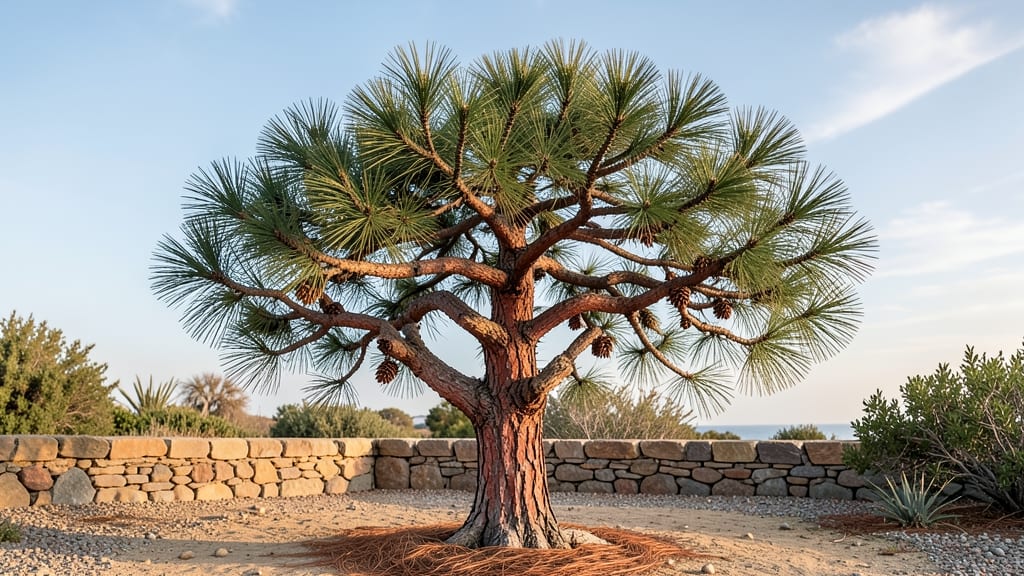
Those sky-blue pinecones that make Torrey pines famous aren’t just stunning—they’re a pruning challenge that rewards patience with a tree that thrives for decades.
I’ve spent years perfecting the technique to keep my Torrey pines producing those vibrant spikes year after year, and the secret isn’t just in when you cut, but in how you respect the tree’s natural rhythm.
The key starts with understanding its coastal roots—Torrey pines evolved in sandy, nutrient-poor soil where water is scarce. That means pruning too aggressively can stress the tree, while neglecting it leads to tangled branches and fewer of those prized blue cones.
My approach focuses on light, strategic cuts in late winter or early spring, when the tree’s energy is already shifting toward new growth. You’ll want to remove dead or crossing branches first, then shape the canopy to let sunlight reach the lower limbs—critical for those signature cones.
What you’ll end up with is a tree that looks like it belongs in a postcard, with bright blue cones dotting the branches from late fall through winter.
The pruning itself takes about 2-3 hours for a mature tree, and the results—healthier growth, fewer pests, and more of those iconic spikes—make it worth every minute. Plus, you’ll be helping preserve a species that’s already endangered in the wild.
This method works best in coastal California climates, but with adjustments for humidity and wind, you can adapt it for other regions too. The real magic happens when you prune with the tree’s natural cycles in mind—less work for you, more beauty for everyone.
Let’s get those shears sharp and start shaping!
📚 In This Guide
- What you need
- Instructions
- Tips and common mistakes
- Wrapping up and next steps
What you need
- ● Pruning shears – Bypass-style (for clean cuts), 1 pair (5–8" blade length recommended).
- ● Loppers – Bypass or anvil, 1 pair (for thicker branches, 8–12" blade).
- ● Pruning saw – Curved or folding, 1 (for branches >1.5" diameter).
- ● Rubbing alcohol (70% isopropyl) – Small bottle (for sterilizing tools).
- ● Garden gloves – Cut-resistant, 1 pair (to protect hands from thorns).
- ● Disposable pruning bags – 3–5 bags (for collecting debris).
- ● Ladder or step stool – Sturdy, 6–10 ft tall (if tree exceeds 6 ft).
- ● Sharpie or permanent marker – 1 (for marking cuts if needed).
- ● Hand pruners with ratcheting mechanism – For easier cutting on stubborn branches.
- ○ Tree wound dressing – Optional (only use if tree has large cuts; otherwise, let it heal naturally!).
- ● Extension pole pruners – For high branches (saves ladder use).
- ● Safety glasses – Recommended if debris may fall or sawing is involved.
- ● Notebook & pen – To track pruning notes (e.g., branch sizes, dates).
How to prune Torrey Pines for vibrant blue flower displays
Here's the method I've used to keep my Torrey Pines blooming reliably every year.
Time Your Pruning for Maximum Blooms
Prune your Torrey Pine immediately after flowering, typically in late spring or early summer. This gives the plant time to develop new growth before winter dormancy. The key is to avoid cutting back when buds are forming—you'll miss the stunning blue spikes entirely.
Watch for the flower clusters to fade completely. Once they turn brown and drop naturally, that's your cue. If you prune too early, you risk removing next year's flower buds. If you wait too long, you'll cut into new growth that could have become next season's display.
I always mark the calendar after my first bloom cycle. My local Torrey Pines typically finish flowering around early June, so I schedule pruning for mid-June. Your timing may vary slightly based on your climate zone.
Use Proper Tools for Clean Cuts
Grab your sharp, sterilized pruning shears and make cuts at a 45-degree angle, about ¼ inch above a bud or branch collar. Never leave stubs—this invites disease and weakens the plant. I like to wipe my shears with rubbing alcohol between cuts to prevent spreading any potential pathogens.
Focus on removing only the old, woody growth that's no longer producing flowers. Healthy green growth should remain untouched. You'll know you're pruning correctly when you see fresh, green growth emerging from the base of where you cut.
For larger branches, use your pruning saw instead of shears. Make the cut just outside the branch collar where the branch meets the trunk. This ensures the plant can seal the wound properly and prevents water from pooling.
Shape for Airflow and Light Penetration
Step back and assess the plant's structure. Your goal is to create an open, airy shape that allows sunlight to reach the center. Torrey Pines naturally grow in a rounded form, so avoid creating a flat-topped appearance that blocks light from reaching lower branches.
Remove any crossing branches that rub against each other. These create wounds and entry points for disease. Also look for branches growing straight upward—these often produce fewer flowers. Gently bend them downward to encourage a more horizontal growth habit that's better for flower production.
I find it helpful to visualize the plant from all angles. Walk around it and imagine sunlight coming from different directions. Any branch that would cast too much shade on other parts should be thinned out. Remember, you're not trying to create a formal shape—just an open, healthy structure.
Fertilize and Water After Pruning
Apply a balanced, slow-release fertilizer after pruning to support new growth. I use a 10-10-10 formula in early summer, then switch to a higher phosphorus blend (like 5-10-5) in late summer to encourage root and flower development.
Water deeply right after pruning to help the plant recover. Keep the soil consistently moist but not soggy for the first 2-3 weeks. You'll notice new growth emerging from the base of the plant within a few weeks—this is your sign that the pruning was successful.
During the growing season, water when the top 2-3 inches of soil feel dry. Torrey Pines are drought-tolerant once established, but they'll reward you with better blooms if you maintain consistent moisture during their active growth period.
Monitor for New Growth and Adjust as Needed
Keep an eye on your Torrey Pine throughout the growing season. If you notice any branches growing too vigorously in one direction, you can make light pruning adjustments in early summer. Just remove the new growth back to a bud or branch collar.
Watch for any signs of stress after pruning, like yellowing leaves or wilting. This could indicate either underwatering or overwatering. Adjust your watering schedule accordingly—Torrey Pines prefer their soil to dry out slightly between waterings.
I always make a note of which branches produced the most flowers the previous year. These are the branches I'll protect during future pruning, as they're clearly the most productive. With consistent care, your Torrey Pine should reward you with spectacular blue flower spikes year after year.
Tips & tricks for perfect Torrey Pines pruning
These simple strategies will help you maintain your Torrey Pine's stunning blue blooms year after year without the guesswork.
Timing is Everything: The exact moment after flowering is crucial—wait until those blue spikes have completely faded and turned brown. I've learned this the hard way: pruning too early removes next year's flower buds, while waiting too long cuts into new growth that could have become this year's display. Mark your calendar after your first bloom cycle to remember when to prune.
Tool Prep Makes All the Difference: Sterilize your pruning shears with rubbing alcohol between cuts to prevent spreading disease. I also recommend using a small brush to clean out the shears' blades after each cut—this keeps them sharp and prevents sap buildup. For larger branches, your pruning saw should be just as clean and sharp as your shears.
Visualize Sunlight Before You Cut: Walk around your Torrey Pine and imagine sunlight coming from all directions. Any branch that would block light from reaching the center should be thinned out. I find it helpful to take a photo before pruning, then circle the branches I plan to remove—this gives me a clear reference point to work from.
Fertilizer Timing Matters: Apply your balanced 10-10-10 fertilizer immediately after pruning to give your plant the nutrients it needs for recovery. Then switch to a higher phosphorus blend (like 5-10-5) in late summer to encourage root and flower development. This two-step approach has dramatically improved my Torrey Pines' bloom production over the years.
Pro Tips for Torrey Pines Tree
- These simple strategies will help you maintain your Torrey Pine's stunning blue blooms year after year without the guesswork.
- Timing is Everything: The exact moment after flowering is crucial—wait until those blue spikes have completely faded and turned brown.
- Tool Prep Makes All the Difference: Sterilize your pruning shears with rubbing alcohol between cuts to prevent spreading disease.
Frequently asked questions
Got questions about pruning your Torrey Pines tree (Pinus torreyana) to keep those stunning blue-green needles and iconic "candle" branches? Here are some common queries—and answers—to help you prune like a pro!
When is the best time to prune a Torrey Pines tree?
The ideal window is late winter to early spring (February–March in most regions). This timing avoids stressing the tree during active growth or nesting seasons for birds. Never prune in summer or fall—it can invite pests or disease. For minor shaping, light pruning can happen in early autumn, but avoid heavy cuts.
How much can I trim back my Torrey Pines tree?
Stick to the 10–20% rule: Never remove more than 20% of the tree’s foliage in a single session. For mature trees, focus on dead, diseased, or crossing branches—never cut into the "candle" branches (the iconic upward-sweeping limbs). Over-pruning weakens the tree and reduces its signature blue spikes. Patience is key!
Will pruning harm nesting birds or wildlife?
Torrey Pines trees are a critical habitat for birds like scrub jays and woodpeckers. Avoid pruning between March and August (nesting season). If you spot nests, halt pruning immediately and wait until after fledglings leave (typically by September). Check branches thoroughly before cutting—safety first!
Can I shape my Torrey Pines tree like a topiary or bonsai?
While Torrey Pines trees have a natural, wild beauty, they’re not ideal for heavy topiary or bonsai styling. Their rigid, spiky branches resist sculpting, and aggressive pruning can stunt growth or kill branches. Instead, opt for light structural pruning to open the canopy for airflow and sunlight. Embrace their organic shape—it’s part of their charm!
What should I do if my Torrey Pines tree has brown needles?
Brown needles are usually a sign of stress, disease, or pest damage. First, check for aphids, spider mites, or needle cast fungus (common in coastal climates). Prune affected branches below the browning to prevent spread. Improve drainage if the soil stays soggy, and avoid over-fertilizing. If the issue persists, consult a local arborist familiar with native pines.
Pro Tip for Pruning Success
Use sterilized tools (rubbing alcohol or bleach wipe) to prevent spreading disease. And remember: Less is more with Torrey Pines. Their resilience shines when you preserve their natural form—just guide, don’t dominate!
Wrapping up and next steps
The Torrey Pines tree rewards your efforts with stunning blue-gray foliage and iconic purple flower spikes—but only if you prune with care. By mastering the right techniques, timing, and tools, you’ll keep your tree healthy and vibrant year-round.
Whether you’re trimming for shape, safety, or blooms, remember: patience and precision pay off!
Ready to take the next step? Grab your pruners, sketch a quick plan, and start small—your Torrey Pines will thank you with showstopping spikes for seasons to come! 🌿✨