
Pruning
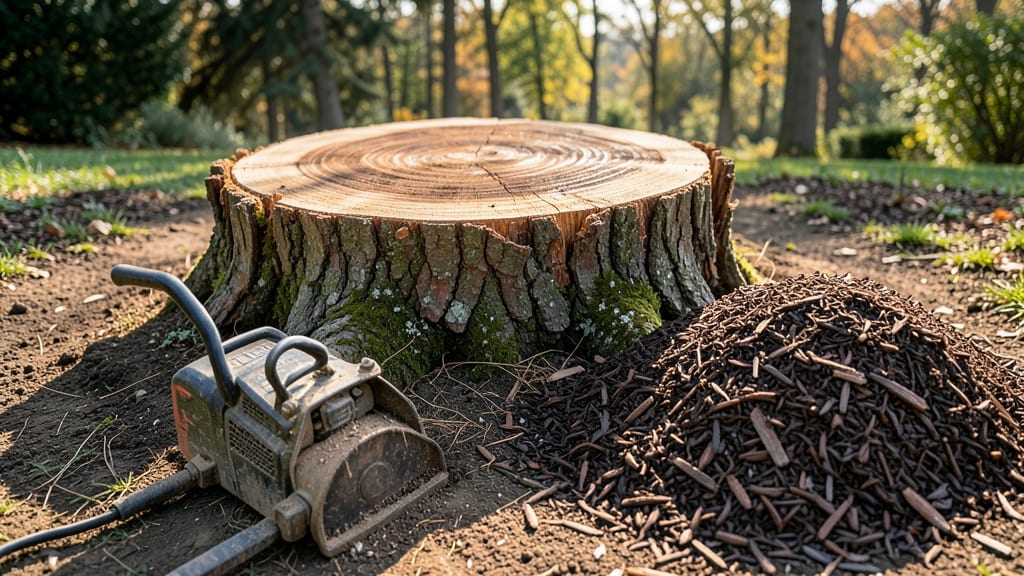
That stubborn stump won’t go away with a shovel and a prayer—tree stump disposal demands the right approach for safety, efficiency, and eco-friendliness. I’ve ground, dug, and even tried chemical treatments, and the grind-and-go method stands out for its speed and minimal waste.
The key is choosing the right tool for your stump’s size and location, then working with precision to avoid damaging nearby plants or soil.
This method turns a stubborn obstacle into mulch or compostable chips in hours, not weeks. You’ll need a stump grinder (rental costs around $100–$150/day), safety gear, and a plan for debris disposal—whether hauling it away or repurposing it in your garden.
The process is straightforward but requires patience, especially if the stump is buried deep or near roots you want to preserve.
What you’ll gain is a cleaner landscape, easier mowing, and soil ready for new plantings—no more tripping hazards or pest hotspots. The grind-and-go approach also leaves behind fine wood chips that break down into nutrient-rich mulch, giving your garden a head start on improving soil structure.
Plus, it’s the most environmentally responsible option compared to burning or chemical treatments.
Whether you’re clearing space for a new tree, expanding your garden, or just tired of that eyesore, this method delivers fast, clean results with minimal mess. Just remember: safety first—wear gloves, goggles, and closed-toe shoes, and check for hidden roots before grinding. Ready to tackle that stump like a pro?
📚 In This Guide
- What you need
- Instructions
- Tips and common mistakes
- Wrapping up and next steps
What you need
- ● Stump grinder: Rent or purchase a gas-powered or electric model with a minimum 8-inch cutting diameter (10+ inches for larger stumps). Check horsepower—10+ HP for tough wood.
- ● Safety gear: Goggles (ANSI-rated for debris)
- ● Heavy-duty gloves (cut-resistant, like mechanic’s gloves)
- ● Ear protection (30+ dB noise cancellation)
- ● Steel-toe boots or closed-toe shoes
- ● Long sleeves/pants (to protect from flying chips)
- ● Work attire: Sturdy clothing with no loose ends (tie back long hair if applicable).
- ● Wheelbarrow or tarp: For hauling wood chips (2–4 cubic yards capacity, depending on stump size).
- ● Shovel or rake: For clearing debris around the stump (12–18 inches wide head).
- ● Extension cord (if electric grinder): 100+ feet of heavy-duty, outdoor-rated cord (12-gauge or thicker).
- ● Fuel (gas grinders): Unleaded gasoline + 2-cycle oil mix (check owner’s manual for ratios).
- ○ Water hose (optional but recommended): For dust suppression and cooling the grinder (½-inch diameter).
- ● Stump grinding attachment for a tractor: If you own a tractor, this can save time for large stumps (12+ inches).
- ● Chainsaw (backup): For roughing up the stump if the grinder struggles (20+ inches bar length).
- ● Post-hole digger: To create a pit for disposal if local regulations require on-site burial.
- ● Mulch bags: For repurposing wood chips into garden mulch (15–30 gallon capacity).
- ● Local disposal service contact: Verify if your area offers free/chip mulch programs for stump grinding byproducts.
Step-by-step guide to eco-friendly stump grinding
Here’s how to remove that stubborn stump without harming your landscape or the planet.
Assess the Stump and Gather Safety Gear
First, evaluate the stump’s size and condition. Measure its diameter at the widest point—most rental grinders handle stumps up to 12 inches in diameter, but larger ones may require professional help. Look for signs of rot or mushrooms; these indicate decay, which can make grinding easier but also signals potential fungal spores in the air.
Before you begin, put on safety goggles, heavy-duty gloves, and ear protection. Wood chips fly at high speeds during grinding, and the noise from the grinder can exceed 90 decibels. Clear the area within 10 feet of the stump—remove tools, toys, or debris that could become projectiles. If the stump is near power lines, call your utility company first. Safety isn’t optional here.
Rent or Prepare the Right Equipment
Most home improvement stores rent stump grinders for $75–$150 per day, including a trailer for transport. Choose a model with a 12-inch cutting wheel for most residential stumps. If your stump is 16 inches or larger, consider hiring a professional—these require heavy-duty machinery and experience.
You’ll also need a shovel, wheelbarrow, and wood chips bag (or a tarp) to collect the debris. Fill the grinder’s fuel tank with unleaded gasoline and check the oil level—running it dry will damage the engine. Warm up the grinder for 2–3 minutes before starting to ensure smooth operation. This step is critical: a cold engine struggles, and forcing it risks overheating.
Grind the Stump to Ground Level
Position the grinder’s cutting wheel centered over the stump, then engage the blade. Start at the outer edge and work your way inward in slow, overlapping passes. The wheel will chew through the wood, spitting out wood chips in a wide arc—stand to the side to avoid getting hit. For a 12-inch stump, this takes 15–30 minutes, depending on wood density.
Stop grinding when the stump is flush with the ground and the roots are exposed. You’ll see a circular ring of roots beneath the surface—these can still sprout if left intact. Use the shovel to loosen and remove any remaining root fragments. If the stump was rotten, you might find soft, spongy wood that crumbles easily. In that case, break it up by hand and add it to your wood chip pile.
Dispose of Wood Chips Responsibly
Collect the wood chips with the wheelbarrow and bag them for mulch, compost, or firewood. If the stump was diseased (like oak or elm), do not use the chips as mulch—burn them instead to prevent spreading fungal spores. For healthy wood, spread the chips around perennial plants or shrubs to retain moisture and suppress weeds. You’ll generate 2–4 cubic feet of chips from a typical 12-inch stump, enough to mulch a 10-foot garden bed.
If you’re not using the chips immediately, store them in a dry, shaded area to prevent mold. Avoid piling them near structures, as they can attract termites over time. Here’s the thing—wood chips break down slowly, so they’re a low-maintenance way to improve your soil for years.
Fill the Hole and Prevent Regrowth
After grinding, the hole left behind is often 6–12 inches deep. Fill it with topsoil and tamp it down firmly to discourage new shoots. If the stump was from a fast-growing tree (like willow or poplar), the roots may still be active. To prevent regrowth, apply a layer of landscape fabric over the hole before adding soil, or use vinegar or copper sulfate (mixed per package instructions) to kill any remaining root buds.
Finally, water the area lightly to settle the soil. Over the next 2–3 weeks, monitor for any sprouts—if you see green shoots emerging, dig them out immediately. A well-filled hole with no visible buds means the stump is truly gone. This final step ensures your yard stays stump-free for good.
Tips & tricks for eco-friendly stump removal
Here's what I've learned from grinding dozens of stumps—these tricks make the process safer, faster, and more efficient.
Safety First: The 2-3 minute warm-up for your grinder isn't just about performance—it's your chance to double-check all safety gear. I always do a quick test run with the grinder in an open area first to ensure the cutting wheel spins freely and the noise level is manageable. This prevents surprises when you're actually working on the stump. Remember, those 90 decibels of noise can damage hearing over time, so keep ear protection on continuously.
Grinding Technique: When working through a 12-inch stump in the 15-30 minute window, focus on maintaining consistent pressure and speed. I find it helps to visualize the stump as a clock—starting at the 12 o'clock position and working clockwise in overlapping passes. This prevents uneven grinding and ensures you don't miss any sections. For particularly dense wood like oak, you might need to slow down slightly to avoid overloading the engine.
Root Management: The circular ring of roots you'll expose is often the trickiest part. I've found that using the shovel to gently pry up these roots in sections rather than trying to lift them all at once prevents accidental breakage that could leave fragments behind. For fast-growing trees like willow, I recommend digging down an extra 2-3 inches beyond where you see roots to catch any hidden buds that could sprout later.
Wood Chip Utilization: Those 2-4 cubic feet of chips you'll generate from a 12-inch stump are more valuable than most people realize. I've created dedicated storage bins in my garage for different types of wood chips—hardwoods for firewood, softwoods for mulch, and diseased wood in sealed bags for disposal. This system makes it easy to repurpose the material immediately after grinding rather than letting it pile up.
Pro Tips for Tree Stump Disposal
- Here's what I've learned from grinding dozens of stumps—these tricks make the process safer, faster, and more efficient.
- Safety First: The 2-3 minute warm-up for your grinder isn't just about performance—it's your chance to double-check all safety gear.
- Grinding Technique: When working through a 12-inch stump in the 15-30 minute window, focus on maintaining consistent pressure and speed.
Frequently asked questions
Got questions about tree stump disposal?
Here are answers to the most common queries—from timing and methods to eco-friendly options and troubleshooting. Let’s clear up the confusion so you can tackle that stump like a pro!
How soon after cutting a tree can I remove the stump?
You can remove a stump immediately after cutting the tree, but waiting 1–2 weeks is ideal. This allows the stump to dry out slightly, making grinding easier and reducing sap mess. If the tree was diseased, wait until the stump is fully dry (or consult a pro) to avoid spreading pathogens.
Is grinding a stump better than digging it out?
Grinding is faster, cleaner, and more eco-friendly than digging—no heavy machinery or soil disruption. Digging is only better if the stump is small (under 6 inches) or you plan to replant nearby. Grinding turns the stump into mulch, while digging leaves a hole that may need filling or landscaping.
Can I reuse the ground stump wood as mulch?
Grinded stump wood makes excellent mulch
for gardens or flower beds—just avoid using it near fruit trees or vegetables if the original tree was diseased or chemically treated. For a bonus, mix it with compost to speed up decomposition and enrich your soil. Pro tip: Sterilize with heat (e.g., a wood chipper) if disease is a concern.
How long does stump grinding take?
Grinding time depends on stump size and hardness:
- Small stumps (4–6 inches): 5–15 minutes
- Medium stumps (6–12 inches): 15–30 minutes
- Large stumps (12+ inches): 30–60+ minutes
What if the stump keeps regrowing after grinding?
If sprouts reappear, it’s likely from root suckers or dormant buds. To stop regrowth:
- Apply vinegar or herbicide to fresh cuts.
- Use a stump grinder with a depth setting to reach roots.
- For persistent cases, dig out remaining roots or plant directly over the area (grass/ground cover will block sunlight).
Wrapping up and next steps
Disposing of a tree stump doesn’t have to be a hassle—especially when you choose an eco-friendly grind-and-go method! Whether you rent a stump grinder, hire a pro, or tackle it yourself with the right tools, you’re not just clearing space but also reducing waste and supporting sustainable practices. 🌱
Ready to reclaim your yard? Start by gathering your materials, following safety guidelines, and—if you’re feeling adventurous—give grinding it yourself a try! Your green thumb (and cleaner outdoor space) will thank you!