
Trees
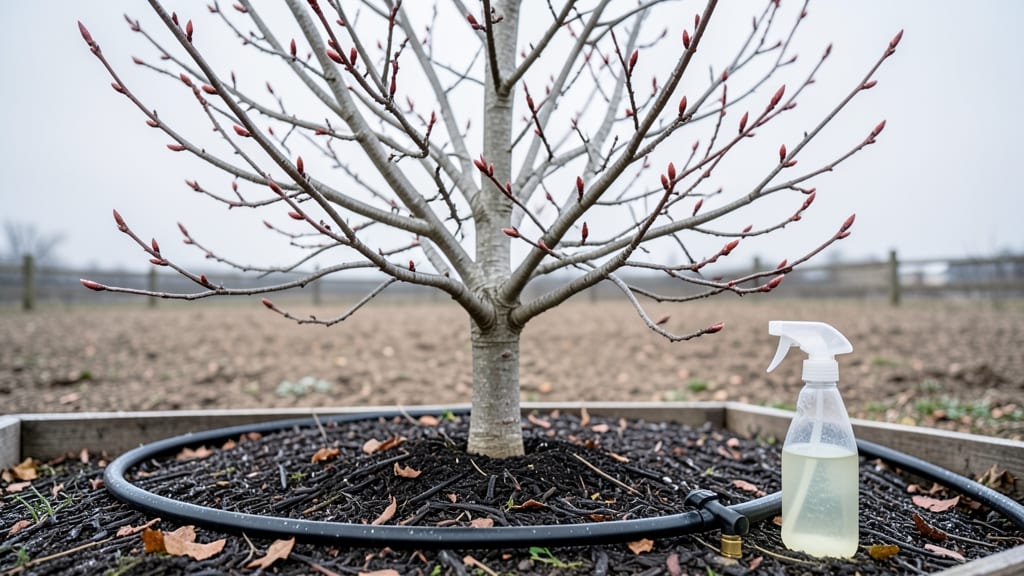
Spraying fruit trees in winter isn’t just about preventing pests—it’s the secret to healthy trees that bear fruit for years. I learned this the hard way when my apple tree’s leaves turned brown last spring after ignoring winter sprays.
The dormant season is when pests and fungal spores hide, waiting to strike as soon as temperatures rise.
You’ll need dormant oil or copper fungicide, a sprayer, and a calm day when temperatures hover between 40°F and 50°F. The key is timing: aim for late winter or early spring, just before buds swell.
This ensures you catch overwintering pests and spores before they wake up, without harming bees or other beneficial insects.
What you’ll get is a tree that starts the growing season strong—fewer brown spots, no early leaf drop, and a head start on fruit production. The spray creates a protective barrier that lasts until spring rains wash it away, giving your tree a fighting chance against common winter threats.
Works for most fruit trees—apples, pears, cherries, and even citrus in warmer climates. Just avoid spraying when flowers are open, and always follow label instructions for safety. Ready to protect your orchard’s future?
📚 In This Guide
- What you need
- Instructions
- Tips and common mistakes
- Wrapping up and next steps
What you need
- ● Dormant oil spray: 2–3 gallons (choose a high-quality, horticultural oil with a label for dormant season use).
- ○ Sulfur spray (optional): 2–3 lbs (for fungal disease prevention—only use if needed and follow label instructions).
- ● Sprayer: Hose-end sprayer: 5–10 gallon capacity (for larger trees).
- ● Backpack sprayer: 3–5 gallon capacity (for precision and mobility).
- ● Knapsack sprayer: 2–4 gallon capacity (ideal for smaller orchards).
- ● Protective gear: Long-sleeved shirt and pants (to avoid skin irritation).
- ● Nitrile or rubber gloves (chemical-resistant).
- ● Safety goggles (to shield eyes from spray mist).
- ● Face mask or respirator (if mixing concentrated sulfur or oils).
- ● Cleaning supplies: Garden hose with nozzle (for rinsing equipment).
- ● Mild soap or vinegar (to clean sprayers between uses).
- ● Ladder or orchard step stool: For reaching higher branches safely.
- ● Weatherproof bucket: For mixing small batches of spray.
- ● Spray nozzle tips: Adjustable or fine-mist nozzles for even coverage.
- ● Tree pruners: For trimming dead branches before spraying.
Step-by-step guide for winter fruit tree spraying
Here’s how I ensure my fruit trees stay resilient through winter—preventing disease and pests before they wake up in spring.
Choose the Right Spray and Timing
Use a dormant oil spray or copper fungicide—both work well in winter when trees aren’t actively growing. I apply it between late fall and early spring, ideally when temperatures stay above 40°F for at least 24 hours. This prevents the spray from freezing or burning tender buds.
Timing is everything. Spray after leaves fall but before late winter, when pests like scale and mites start moving. If you miss this window, you’ll see more damage come spring. I mark my calendar for mid-December to early February in my climate zone—adjust based on your last frost date.
Prepare the Spray Mixture
Follow the label instructions for your chosen spray, but I like to mix 2 tablespoons of horticultural oil per gallon of water for dormant oil. For copper fungicide, use 1 tablespoon per gallon. Stir well to ensure even coverage—uneven mixing leads to weak protection in some areas.
Add a drop of dish soap (not detergent) to help the spray stick to the bark and branches. This isn’t just for adhesion; it also prevents the oil from beading up and running off. Test the mixture on a small branch first to check for any adverse reactions.
Apply Evenly to All Surfaces
Spray thoroughly, covering the trunk, branches, and crevices where pests hide. I use a hose-end sprayer for large trees to reach high branches without a ladder. Start at the top and work downward—this prevents missing spots where sap drips or bark cracks.
Pay extra attention to buds and cracks in the bark. These are prime hiding spots for overwintering pests. A light mist is better than a heavy soak; you want the spray to coat, not pool. Reapply if rain washes it off within 48 hours of spraying.
Monitor and Reapply if Needed
Check your trees every 2-3 weeks through winter for signs of pests or fungal growth. If you notice black spots, webbing, or sticky residue (honeydew), reapply the spray immediately. Winter pests are sneaky—they start small, and by spring, they’ve already weakened your tree.
If temperatures drop below 32°F, avoid spraying. Cold weather can make the spray ineffective or even harmful. I keep a log of spray dates and weather conditions to track what works best for my trees each year.
Tips & tricks for effective winter fruit tree spraying
Here's what I've learned after years of protecting my orchard—these details make all the difference between a healthy tree and one struggling come spring.
Timing Secret: The 24-hour temperature window above 40°F is non-negotiable for dormant oil sprays. I've seen spray freeze solid overnight when applied at 38°F, rendering it useless. Check your local weather forecast for overnight lows—if it dips below 40°F, wait for warmer conditions. For copper fungicide, this rule is even stricter since it's more sensitive to cold.
Mixing Precision: When preparing your spray mixture, use a clean gallon container and measure the horticultural oil first—then add water. This prevents dilution errors that could weaken protection. I stir for exactly 2 minutes with a clean wooden spoon to ensure complete emulsification. The dish soap should be added last, just before application, to maintain its effectiveness.
Application Strategy: In Step 3, focus on the undersides of branches where pests often hide. I use a ladder to reach higher branches, but for safety, I always have someone spot me. The key is consistent pressure on your sprayer—too light and you miss spots, too heavy and you waste product. A light, even mist that covers all surfaces without dripping is ideal.
Monitoring System: Create a simple checklist for your 2-3 week monitoring routine: inspect for black spots, sticky residue, and any unusual webbing. I photograph problem areas and compare them to my records from previous years. This visual documentation helps me spot patterns—like when certain pests appear after heavy rain—which lets me adjust my spraying schedule accordingly.
Pro Tips for Spraying Fruit Trees In Winter
- Here's what I've learned after years of protecting my orchard—these details make all the difference between a healthy tree and one struggling come spring.
- Timing Secret: The 24-hour temperature window above 40°F is non-negotiable for dormant oil sprays.
- Mixing Precision: When preparing your spray mixture, use a clean gallon container and measure the horticultural oil first—then add water.
Frequently asked questions
Got questions about winter fruit tree care? You’re not alone! Here are answers to the most common concerns—so you can spray with confidence and keep your trees thriving.
When is the best time to spray fruit trees in winter?
Spraying during the dormant season (late fall to early spring) is ideal—typically November through March in most climates. Aim for 40–50°F temperatures (no frost) to avoid harming trees or making treatments ineffective. Early winter (after leaf drop) and late winter (just before bud swell) are the sweet spots!
Can I spray fruit trees if it’s freezing or snowing?
Nope! Never spray in freezing temps, snow, or wind—it can damage bark, wash away treatments, or even kill beneficial insects. Wait for calm, dry days above 40°F. If winter weather rolls in unexpectedly, hold off until conditions improve. Patience pays off for healthier trees!
What if I miss the winter spraying window? Can I do it later?
If you miss winter, you can still spray in early spring (before buds open), but timing is critical. Late applications risk harming pollinators or disrupting natural pest cycles. For organic growers, copper-based sprays or neem oil can be used later, but chemical fungicides/bactericides should stick to dormant season rules.
Do I really need to spray if my trees look healthy?
Winter spraying is preventative care—it stops diseases (like fire blight or apple scab) and pests (such as codling moths) before they become problems. Healthy-looking trees can still harbor hidden threats. Think of it like vaccines for your orchard—better safe than sorry!
What’s the cheapest way to spray fruit trees in winter?
Skip the fancy equipment! A hose-end sprayer ($20–$40) or even a backpack sprayer ($30–$60) works great for small orchards. For DIY mixes, baking soda + oil (1 tbsp each + water) fights fungal spores, while dormant oil (petroleum-based) smothers overwintering pests. Just always follow label rates!
Will spraying hurt bees or other beneficial insects?
Not if done correctly! Winter sprays target dormant pests/diseases, so bees (and most beneficial insects) are not active yet. Still, avoid spraying blooming plants nearby or honeybee hives. For extra safety, spray after sunset when pollinators are less active. Pro tip: Plant bee-friendly flowers nearby in spring to reward them for their hard work!
Wrapping up and next steps
Winter spraying is your secret weapon for ensuring your fruit trees thrive come spring! 🌱 By targeting pests, diseases, and fungal spores during dormancy, you’re setting the stage for a bountiful harvest and stronger, healthier trees.
Don’t let winter’s quiet season go to waste—take action now to protect your orchard’s future.
Ready to get started? Grab your sprayer, check the weather, and schedule your treatments before the first signs of bud break. Your trees will thank you—and so will your future fruit!