
Flowers
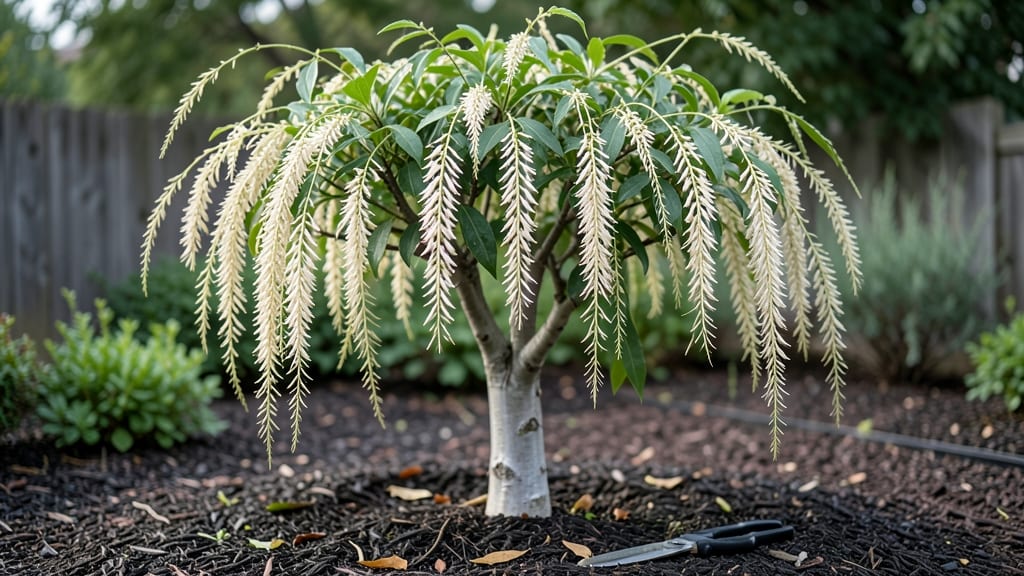
The weeping white flower tree transforms any garden into a dreamy, ethereal space with its cascading branches and delicate blooms. I’ve planted mine near the patio, and every spring, the soft white flowers create a cloud-like effect that feels like magic.
This tree isn’t just pretty—it’s a statement piece that adds height, texture, and seasonal drama to your landscape.
You’ll love how versatile these trees are: they thrive in full sun or partial shade, and their graceful shape works in both formal and natural garden styles. Pair one with spring bulbs for early color, or let it anchor a shady corner with ferns and hostas.
The best part? Their seasonal interest—some varieties even offer fall foliage or winter structure to keep your garden stunning year-round.
📚 In This Guide
- What you need
- Instructions
- Tips and common mistakes
- Wrapping up and next steps
What you need
- ● Tree: A healthy weeping white flower tree sapling (3–5 ft tall) from a nursery. Pro tip: Look for trees with plump buds and no signs of pests! 🔍
- ● Soil: 6–8 bags of well-draining potting mix (or garden soil amended with compost and perlite for aeration).
- ● 1 bag of organic mulch (e.g., shredded bark or pine straw).
- ● Fertilizer: A balanced, slow-release granular fertilizer (10-10-10 or 20-20-20) or an organic option like fish emulsion.
- ● Watering supplies: Hose with a soaker nozzle or a watering can (5+ gallons).
- ○ Drip irrigation kit (optional but ideal for deep root hydration).
- ● Planting tools: Trowel or garden spade (for digging).
- ● Gloves (to protect your hands from thorns or rough bark).
- ○ Support structures (optional but helpful): 3–4 stakes (2–3 ft tall) + tree ties (for young, top-heavy trees).
- ● Lightweight netting (to protect blooms from pests like bees or birds).
- ● Location: A sunny to partially shaded spot with 6+ hours of sunlight daily (adjust for your climate!).
- ● Space! These trees mature at 20–30 ft tall with a 15–25 ft spread.
- ● Pruning tools: Bypass pruners (for small branches).
- ● Loppers (for thicker stems).
- ● Sterilizing solution (e.g., rubbing alcohol) to clean tools between cuts. 🧼
- ● Test your soil’s pH (6.0–7.0 ideal) with a soil test kit—adjust with lime or sulfur if needed.
- ● For container growing, use a large pot (15+ gallons) with drainage holes.
- ● Keep a journal to track watering, blooming cycles, and pruning dates!
Step-by-step guide to planting and caring for a weeping white flower tree
Here’s how to establish your tree for years of graceful, seasonal beauty.
🌱 Step 1: Choose the Perfect Planting Spot
Select a location with at least 6 hours of sunlight daily—this tree thrives in full sun to partial shade. Avoid spots where strong winds could damage its delicate branches. The soil should drain well; if yours is heavy clay, amend it with 2-3 inches of compost before planting.
Dig a hole twice as wide as the tree’s root ball but no deeper. Loosen the sides of the hole to encourage root spread. This tree’s weeping habit means it’ll grow wider than tall, so give it 15-20 feet of clearance from structures or other plants.
🪴 Step 2: Plant with Care for Long-Term Stability
Remove the tree from its container and gently loosen the roots if they’re circling. Place it in the hole so the top of the root ball sits 1-2 inches above ground level—this prevents waterlogging. Backfill with native soil, tamping lightly as you go to eliminate air pockets.
Water deeply after planting to settle the soil and encourage root contact. Mulch the base with 2-3 inches of organic mulch, keeping it 6 inches away from the trunk to prevent rot. This helps retain moisture and regulates soil temperature.
☀️ Step 3: Water and Feed for Healthy Growth
Water twice weekly for the first month, then taper to once weekly once established—1-2 gallons per watering for mature trees. Check soil moisture by sticking your finger 2 inches deep; if it’s dry, water again. Overwatering is the fastest way to kill this tree.
Fertilize once in early spring with a balanced, slow-release fertilizer (10-10-10). Avoid high-nitrogen feeds, which promote leafy growth at the expense of flowers. Prune lightly in late winter to shape the canopy, removing only dead or crossing branches.
✂️ Step 4: Prune and Maintain for Seasonal Beauty
Prune after flowering in late summer to remove spent blooms and shape the tree. Use clean, sharp pruners to make cuts just above a leaf node. Never prune more than 25% of the foliage in one season—this tree’s elegance comes from its natural weeping form.
Watch for aphids or spider mites on new growth; treat with neem oil spray if needed. The tree’s white flowers attract pollinators, so avoid pesticides during bloom. In cold climates, protect young trees with burlap wraps in winter to prevent frost damage.
Tips & tricks for perfect weeping white flower tree planting
Took me a while to figure these out, so here goes—these little details make all the difference with delicate trees like this.
Sunlight Strategy: That required 6 hours of sunlight is non-negotiable, but here's the thing: morning sun is gentler than afternoon heat. If you're in a hot climate, position your tree to catch the cooler morning rays first. I've seen trees in full afternoon sun develop leaf scorch within weeks—trust me on this.
Root Ball Preparation: Before planting, soak the root ball for 10-15 minutes in water to hydrate the roots thoroughly. This gives them a head start in establishing themselves in the new soil. After planting, water deeply again to eliminate any air pockets that might form around the roots during backfilling.
Mulching Wisdom: The 2-3 inches of organic mulch is perfect, but here's what nobody tells you—refresh that mulch layer every spring. Over time, mulch breaks down and compacts, losing its moisture-retaining properties. A fresh layer keeps the roots happy and regulates temperature year-round.
Wind Protection: While you're clearing 15-20 feet around the tree, consider adding temporary windbreaks if your yard gets strong breezes. I've seen weeping branches get permanently damaged from consistent wind exposure. A simple lattice fence or even large plantings can shield the delicate growth without blocking sunlight.
Pro Tips for Weeping White Flower Tree
- Took me a while to figure these out, so here goes—these little details make all the difference with delicate trees like this.
- Sunlight Strategy: That required 6 hours of sunlight is non-negotiable, but here's the thing: morning sun is gentler than afternoon heat.
- Root Ball Preparation: Before planting, soak the root ball for 10-15 minutes in water to hydrate the roots thoroughly.
Frequently asked questions
Got questions about the weeping white flower tree? You’re not alone!
Whether you're curious about care, blooming habits, or styling, we’ve got answers to help you nurture this stunning centerpiece. Here are the most common queries—plus expert tips to keep your tree thriving.
When does a weeping white flower tree bloom, and how long do the flowers last?
The Cestrum nocturnum (commonly called the weeping white flower tree) typically blooms in late spring through early fall, with peak flowering in summer. Its fragrant white flowers open in the evening and last 1–2 days per bloom, but new flowers continuously replace them, creating a near-season-long display. For prolonged blooms, ensure it gets full sun (6+ hours/day) and regular watering.
How often should I water my weeping white flower tree, and does it tolerate drought?
Water your tree deeply 1–2 times per week during the first year to establish roots, then reduce to weekly watering once mature. While it’s drought-tolerant once established, prolonged dry spells may cause leaf drop or reduced blooms. Mulch around the base to retain moisture, and water early morning to prevent fungal issues.
Can I grow a weeping white flower tree in a pot, and what’s the best soil mix?
Yes! This tree thrives in 15–20 gallon containers with drainage holes. Use a well-draining potting mix like a blend of cactus/succulent soil + perlite (60/40 ratio) to prevent root rot. Add a slow-release fertilizer in spring for potted trees, and repot every 2–3 years to refresh nutrients.
Is the weeping white flower tree cold-hardy, and how do I protect it in winter?
This tropical beauty is not cold-hardy—it thrives in USDA Zones 9–11 and struggles below 30°F (-1°C). For colder climates, grow it in containers and overwinter indoors near a bright window. If planted outdoors, mulch heavily and wrap the trunk with burlap for protection. Avoid pruning until spring to preserve energy.
Are the flowers toxic to pets or humans, and do they attract bees?
The weeping white flower tree (Cestrum nocturnum) is mildly toxic if ingested—symptoms in pets (like vomiting or drooling) may occur. Keep it out of reach of curious animals. While the fragrant flowers attract bees and moths (especially at night), they’re not aggressive. If you have bee-sensitive family members, plant it in a sheltered area away from high-traffic zones.
Pro Tip: Boost Blooms Naturally
For more abundant white flowers, prune lightly after blooming to encourage new growth. A balanced liquid fertilizer (like 10-10-10) every 4–6 weeks in spring/summer also helps. Deadhead spent blooms to redirect energy into fresh flowers!
Wrapping up and next steps
The weeping white flower tree is a breathtaking addition to any garden, offering year-round beauty with its cascading branches and delicate blooms. Whether you're drawn to its romantic charm or practical benefits—like shade and pollinator support—this tree promises elegance and tranquility.
Ready to transform your outdoor space? Start by researching local nurseries or reputable sellers to find the perfect specimen, and don’t forget to plan its placement for maximum impact! 🌸✨