
Pruning
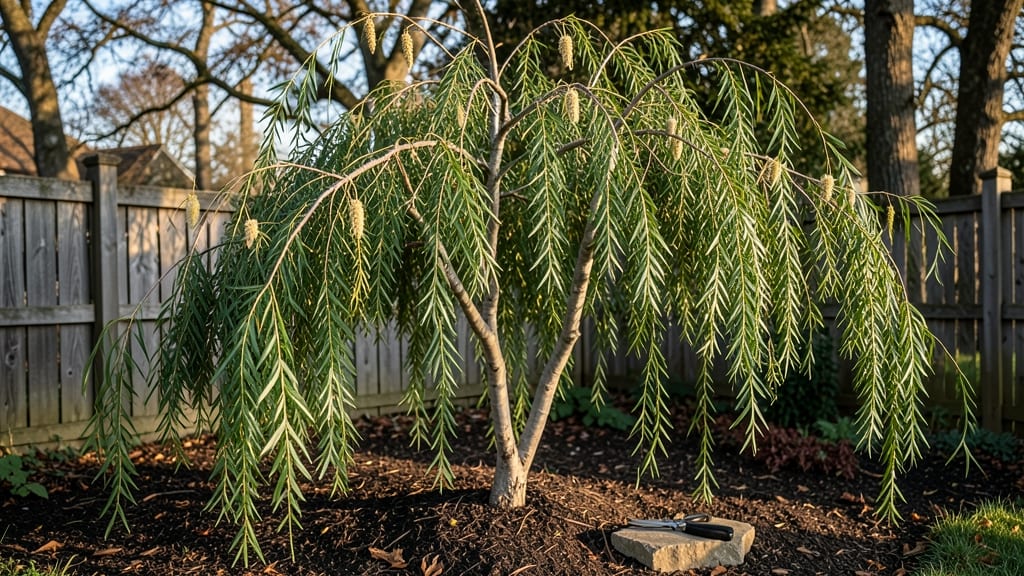
The weeping willow tree’s cascading branches create a living waterfall in your landscape—if you prune it right. I’ve wrestled with these graceful giants for years, and the difference between a lush, graceful specimen and a tangled mess comes down to timing, technique, and a little patience.
The right cuts encourage that signature droop while keeping the tree healthy and strong.
You’ll need sharp pruners, a ladder (for higher branches), and a clear morning to work—willows bleed sap when cut, so avoid pruning on warm days. Focus on removing dead wood first, then shape the outer branches to maintain that elegant, weeping silhouette.
Most pruning happens in late winter or early spring, but light shaping can be done year-round to control growth.
By summer, you’ll see the results: longer, more graceful branches and fewer tangled limbs. The tree will reward you with vibrant green foliage and that iconic, swaying silhouette that makes neighbors stop and stare. Just remember—willows grow fast, so stay on top of those pruning sessions every few months.
Works in zones 4-9, but adjust pruning intensity based on your climate. In colder regions, wait until after the last frost to avoid winter damage. For urban areas, consider root barriers to control that aggressive spread—trust me, you’ll thank yourself later.
📚 In This Guide
- What you need
- Instructions
- Tips and common mistakes
- Wrapping up and next steps
What you need
- ● Pruning shears or loppers: Sharp, high-quality tools (bypass pruners for small branches, loppers for thicker stems up to 2 inches in diameter). Pro tip: Clean blades with rubbing alcohol after each use to prevent disease spread! 💡
- ● Pruning saw: For branches thicker than 2 inches (look for a curved blade for ease).
- ● Gloves: Heavy-duty, cut-resistant gloves to protect your hands from thorns and sharp branches.
- ○ Disinfectant (optional but recommended): A 10% bleach solution (1 part bleach to 9 parts water) or rubbing alcohol to sterilize tools between cuts.
- ● Rope or twine: For temporarily securing branches during pruning (especially helpful for large, drooping limbs).
- ● Trash bags or bucket: To collect and dispose of pruned branches (willows can be invasive—check local regulations!).
- ● Ladder or step stool: If your tree is taller than 6 feet, safety first! Use a sturdy ladder with a spotter if needed.
- ● First-aid kit: Just in case—willow branches can be sharp!
- ● Hand pruners with a crimping tool: For sealing larger cuts and reducing sap bleeding.
- ● Pruning sealant: A tree wound dressing (like Tanglefoot) to protect exposed cuts from pests or disease.
- ● Marking spray or paint: To tag branches for removal (great for planning ahead!).
- ● Workwear: Long sleeves, closed-toe shoes, and eye protection for extra safety.
- ● Camera or sketchbook: Document your tree’s shape before and after pruning—it’s a fun keepsake!
How to prune a weeping willow for year-round beauty
Here's my foolproof method for shaping your weeping willow while keeping it healthy and thriving.
✂️ Step 1: Understand the Right Time to Prune
Late winter or early spring—just before new growth begins—is the ideal time to prune your weeping willow. This timing ensures you remove dead or weak branches while the tree is still dormant, reducing stress. Look for swollen buds along the branches; these signal the tree is about to wake up from dormancy.
Never prune in fall or winter when the tree is fully dormant, as this can leave it vulnerable to disease. If you must prune outside this window, do so in late spring after the tree has fully leafed out. Just avoid heavy pruning during active growth periods—this can stimulate unwanted suckers and weaken the tree's structure.
✂️ Step 2: Remove Dead, Diseased, or Crossing Branches First
Start by identifying and removing any dead, diseased, or crossing branches. Dead branches are easy to spot—they're dry, brittle, and often snap when you bend them. Diseased branches may have discolored bark, oozing sap, or fungal growth. Cut these out first, making clean cuts just outside the branch collar where it meets the trunk.
Crossing branches compete for sunlight and nutrients, weakening the tree's structure. Use sharp pruning shears to make precise cuts at a 45-degree angle, about ¼ inch above an outward-facing bud. This encourages healthy growth in the right direction. Always sterilize your tools with rubbing alcohol between cuts to prevent spreading disease.
✂️ Step 3: Shape the Tree for Balance and Airflow
Weeping willows thrive when their branches are allowed to cascade naturally, but you can gently guide their shape by selectively thinning out dense areas. Focus on removing branches that grow inward or upward, as these block airflow and sunlight. Aim for an open, airy structure that allows light to reach the center of the tree.
To maintain the graceful weeping form, avoid heavy pruning of the main branches. Instead, trim back any overly long or leggy growth by cutting just above a lateral branch or bud. This encourages bushier growth while preserving the tree's elegant silhouette. Step back frequently to assess the shape—you want a balanced, harmonious look.
✂️ Step 4: Maintain Year-Round with Light Trims
After the initial pruning, keep your weeping willow in check with light maintenance throughout the year. In late spring, remove any suckers or water sprouts that emerge at the base or along the trunk. These fast-growing shoots drain the tree's energy and disrupt its shape. Cut them off at the base with clean, sharp pruners.
In summer, monitor the tree for any branches that grow too long or obstruct sidewalks or driveways. Trim these back by about one-third to keep the tree manageable and prevent damage. Avoid heavy pruning during this time, as it can stress the tree and make it more susceptible to pests and disease.
✂️ Step 5: Clean Up and Protect the Tree
After pruning, rake up and dispose of all debris, including small branches and leaves. Leaving these on the ground can harbor pests and diseases that may infect your tree. Sterilize your pruning tools again with rubbing alcohol to prevent cross-contamination between cuts.
Apply a layer of mulch around the base of the tree, keeping it about 2-3 inches thick and extending 2-3 feet out from the trunk. This helps retain moisture, regulate soil temperature, and suppress weeds. Avoid piling mulch directly against the trunk, as this can encourage rot. Water the tree deeply after pruning to help it recover and reduce stress.
Tips & tricks for pruning a weeping willow
Transforming your weeping willow into a stunning landscape feature takes more than just cutting branches—it’s about timing, precision, and care. These insights will help you avoid common pitfalls and keep your tree looking its best.
Timing is Everything: The late winter to early spring window is non-negotiable for pruning weeping willows. This is when the tree is still dormant but ready to burst into growth. I learned this the hard way after pruning in late fall—my tree developed fungal issues because the wounds didn’t heal properly before winter. If you miss this window, wait until late spring after full leaf-out, but avoid heavy pruning during active growth.
Precision Cuts for Healthier Growth: When shaping your tree in Step 3, focus on making clean cuts at the 45-degree angle just above an outward-facing bud. This isn’t just about aesthetics—it’s about directing the tree’s energy toward new growth in the right direction. I’ve seen too many pruning jobs where cuts were too close to the trunk or too jagged, leading to slow healing and disease entry points. Always sterilize your tools between cuts to prevent spreading pathogens.
Light Maintenance Matters: Year-round care is what keeps your weeping willow looking its best. After the initial pruning, monitor for suckers and water sprouts in late spring and trim them immediately—they sap energy from your tree. In summer, only trim back overgrown branches by about one-third to avoid stressing the tree. I’ve seen willows recover beautifully from light trims, but heavy summer pruning can leave them vulnerable to pests and disease.
Protective Measures After Pruning: Don’t skip the cleanup and mulching steps in Step 5. Removing all debris prevents pests and diseases from taking hold, while mulching helps retain moisture and regulate soil temperature. I’ve noticed that trees with proper mulching recover faster after pruning. Just be sure to keep mulch about 2-3 inches thick and avoid piling it against the trunk—this can cause rot over time.
Pro Tips for Willow Weeping Tree
- Transforming your weeping willow into a stunning landscape feature takes more than just cutting branches—it’s about timing, precision, and care.
- Timing is Everything: The late winter to early spring window is non-negotiable for pruning weeping willows.
- Precision Cuts for Healthier Growth: When shaping your tree in Step 3, focus on making clean cuts at the 45-degree angle just above an outward-facing bud.
Frequently asked questions
Got questions about keeping your weeping willow looking its best?
Here are answers to the most common concerns—from timing to troubleshooting—so you can prune with confidence!
When is the best time to prune a weeping willow?
Prune your weeping willow in late winter or early spring (before new growth starts) to avoid stressing the tree. Avoid heavy pruning in fall, as it can stimulate tender growth vulnerable to frost. Light shaping can be done in summer, but avoid major cuts during hot weather. Pro tip: If you must prune in summer, do it on a cool, overcast day to reduce stress!
How much can I trim back a weeping willow?
Never remove more than 25% of the tree’s canopy in a single year—this helps prevent shock and disease. For weeping willows, focus on thinning out dense branches (especially at the base) rather than heavy topping. If your tree is overgrown, spread pruning over 2–3 years for safer recovery. Warning: Avoid cutting into the trunk’s “collar” (the swollen base of a branch)—this can invite rot!
Why is my weeping willow dropping leaves or branches after pruning?
Leaves or small branches dropping post-pruning is normal if you followed proper cuts (clean, slanted cuts just outside the branch collar). However, if you see large limbs falling or yellowing leaves, you may have over-pruned or stressed the tree. Fix it: Water deeply, avoid fertilizing, and monitor for pests (like aphids). If the issue persists, consult an arborist—your willow might need structural support.
What’s a good alternative to a weeping willow for low-maintenance shade?
If you love the weeping willow’s drama but want less mess, consider these low-maintenance alternatives:
- Silver Birch (Betula pendula) – Graceful, fast-growing, and less aggressive.
- Japanese Maple (Acer palmatum) – Dwarf varieties like ‘Bloodgood’ offer stunning color with minimal pruning.
- River Birch (Betula nigra) – Tolerates wet soil and has a willow-like weep but with better structure.
- Hornbeam (Carpinus betulus) – Dense foliage and elegant shape with almost no pruning needed.
Can I prune a weeping willow in winter? What about snow?
Light pruning (removing dead or broken branches) is fine in dormant winter, but avoid heavy cuts—frozen wood is harder to work with and heals slower. If snow covers branches, wait until it melts before pruning to assess damage accurately. Safety first: Never prune during ice storms, as frozen branches can snap unexpectedly. Use a pole saw for high branches to avoid falls!
Wrapping up and next steps
With your newfound knowledge, you’re ready to transform your willow weeping tree into a stunning year-round masterpiece! 🌿 Pruning isn’t just about trimming—it’s about nurturing its natural elegance while keeping it healthy and vibrant. Start small, stay consistent, and watch your tree flourish with grace.
Now, take that first step: grab your tools, mark your calendar, and give your weeping willow the care it deserves. Happy pruning! 🌳✨