
Pruning
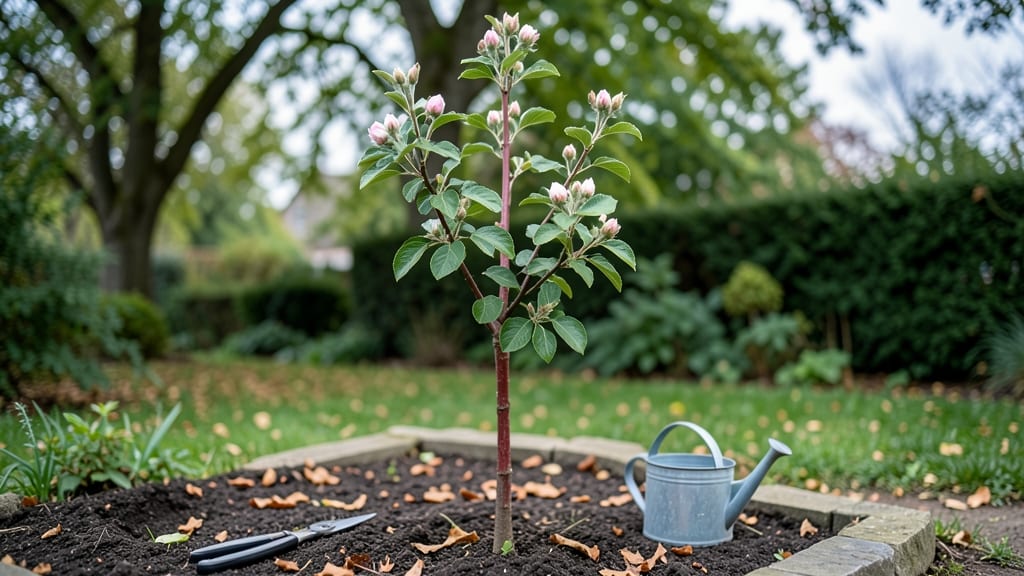
Your young apple tree holds the promise of decades of harvests—if you prune it right from the start. 🌱 I’ve watched too many promising saplings get overgrown and weak from incorrect pruning, and I’m here to share the exact method that keeps your tree strong, productive, and healthy for years.
The key isn’t just cutting branches—it’s shaping the tree’s future while it’s still small, so it grows into a sturdy, fruitful giant.
Most beginners make two big mistakes: pruning too late in the season or cutting at the wrong angle. My system focuses on three simple cuts per year that encourage upward growth, better air circulation, and stronger branches.
You’ll need basic tools—a sharp pruner, rubbing alcohol for sterilizing, and a notebook to track growth—but the process itself takes less than 20 minutes once you get the hang of it.
By following this blueprint, you’ll see your tree develop a strong central leader, fewer weak limbs, and an open canopy that lets sunlight reach every fruit. Within a year, you’ll notice thicker branches and fewer broken limbs during storms.
The best part? These habits set your tree up for heavy harvests in just 3-5 years, not the 10+ years many gardeners wait for.
Works for any apple variety—from dwarf to standard—and adapts to container growing if space is tight. Let’s get your tree on the right track before winter sets in.
📚 In This Guide
- What you need
- Instructions
- Tips and common mistakes
- Wrapping up and next steps
What you need
- ● Pruning shears: Bypass pruners (for cuts up to ½ inch thick) – 1 pair (look for sharp, ergonomic designs like Fiskars or Felco)
- ● Loppers: For thicker branches (½ to 1½ inches) – 1 pair (e.g., Gonicc or Corona)
- ● Pruning saw: For branches over 1½ inches – 1 saw (with a curved blade for precision)
- ● Disinfectant: 70% isopropyl alcohol or rubbing alcohol (to sterilize tools between cuts)
- ● Gloves: Heavy-duty gardening gloves (to protect from thorns and sap) – 1 pair
- ○ Pruning sealant: Optional but helpful (e.g., Tanglefoot Tree Wound Pruning Seal) – small bottle
- ● Ladder or step stool: For taller trees (ensure it’s stable and extends 3 feet above the highest branch)
- ● Trash bags: For collecting pruned branches – 1-2 bags
- ● Knowledge: Basic understanding of apple tree anatomy (e.g., water sprouts vs. fruiting spurs) or a pruning guide (like this one!)
- ● Weather: Prune on a dry, cloudy day (avoid pruning when the tree is wet or in extreme heat)
- ○ Optional: Hand saw (for stubborn branches)
- ● Extension pole pruners (for high branches)
- ● Notebook & pencil (to sketch your pruning plan)
- ● Tree growth regulator (e.g., Apogee) for post-pruning care
Step-by-step guide to pruning a young apple tree
Here's the simple method I use to keep my young apple trees healthy and productive.
✂️ Step 1: Prune in Late Winter Before Bud Break
Timing matters most for young apple trees. Wait until late winter, just before the buds swell but before any green shows. This is when the tree is dormant, and pruning causes less stress. I like to do it in February or early March in most climates—this gives the tree time to heal before spring growth begins.
Start by removing any dead, diseased, or crossing branches first. These are easy to spot—they're brown, brittle, or rubbing against other branches. Use clean, sharp pruners to make cuts just outside the branch collar, the swollen area where the branch meets the trunk. This ensures the wound heals properly and prevents disease from entering.
Look for suckers—those little shoots growing from the base or trunk. These steal energy from your tree, so cut them off at the base. If you see any branches growing straight up from the trunk, these are called "water sprouts." They're weak and won't produce fruit, so prune them off too.
✂️ Step 2: Shape the Tree for Airflow and Light
Young apple trees need good airflow and sunlight to prevent disease and produce strong fruit. Aim for an open-center shape—this means keeping the center of the tree relatively open so light can reach the inner branches. Start by selecting 3-5 strong, evenly spaced branches that will form the main scaffold of your tree.
Remove any branches that are growing inward or rubbing against others. These will eventually cause wounds or weak spots. If you have branches growing too close together, keep the stronger one and prune the weaker one back to its point of origin. You'll know a branch is strong if it's thick, sturdy, and growing outward from the center.
For branches that are too long, cut them back to a bud or side branch that grows outward. This encourages the tree to grow in the direction you want. Avoid leaving stubs—always make clean cuts just above a bud or branch collar. If you're unsure which way a branch is growing, look at the direction of the buds along the branch.
✂️ Step 3: Thin Out Fruit Spurs for Better Growth
Apple trees produce fruit on spurs, which are short, stubby branches. If you're pruning a young tree that hasn't fruited yet, focus on removing excessive growth to encourage strong structure. If your tree is already bearing fruit, thin out some of the spurs to prevent overcrowding. Too many fruits can weaken the tree and reduce fruit size and quality.
Look for clusters of fruit that are too dense. Remove some of the smaller fruits or spurs to leave 4-6 inches of space between them. This ensures the remaining fruits get enough sunlight and nutrients. You can also prune back some of the spurs themselves—cut them back to a strong outward-facing bud to encourage new growth in the right direction.
Here's the thing—you don't need to remove all the fruit. Just thin it out enough so the tree isn't overwhelmed. If you're unsure, err on the side of caution and remove a little less. You can always thin more later if the tree looks stressed. Watch for signs like yellowing leaves or stunted growth, which mean the tree is struggling.
⏰ Step 4: Monitor and Maintain Through the Growing Season
Pruning isn't a one-time job. After your initial late-winter pruning, keep an eye on your tree throughout the growing season. Remove any suckers or water sprouts as they appear—don't wait until next winter. These can pop up anytime, especially after heavy rains or during warm spells.
If you notice any branches growing in the wrong direction or rubbing against others, prune them back immediately. The goal is to keep the tree open and airy. This reduces the risk of fungal diseases like apple scab, which thrive in damp, crowded conditions. After pruning, always clean your tools with rubbing alcohol to prevent spreading disease between cuts.
In summer, you can do a light pruning to remove any dead or diseased branches that might have appeared. Avoid heavy pruning during the growing season—it stresses the tree and can lead to excessive bleeding or weak growth. Instead, focus on corrective pruning to keep the tree in shape. This is also a good time to check for pests like aphids or mites and treat them if necessary.
Tips & tricks for pruning a young apple tree
These simple tricks will help you prune like a pro and keep your young apple tree thriving for years.
Timing is Everything: That late winter window in February or early March is your best shot for stress-free pruning. If you miss it, wait until the tree is fully dormant—just don't prune after buds swell. I've seen trees struggle when pruned too early or late, so mark your calendar! The goal is to give the tree time to heal before spring growth kicks in.
Tool Prep Matters: Clean, sharp pruners are non-negotiable. I always disinfect my tools with rubbing alcohol between cuts to prevent spreading disease. For larger branches, use loppers or a pruning saw—never force a tool that's too small. The cleaner your cuts, the better the tree heals, and that means fewer entry points for pests and diseases.
Shape with Purpose: When creating that open-center shape, think of your tree like a well-lit room—light needs to reach every corner. I like to visualize the tree's "scaffold" branches (3-5 strong ones) as the main support beams. Remove any branches growing inward or crossing others immediately. These will cause wounds and weak spots that compromise fruit production.
Bud Direction Dictates Growth: Always cut back branches to an outward-facing bud. This simple trick encourages new growth in the direction you want. I test this by looking at the buds along a branch—they'll show you which way the branch wants to grow. Cut just above that bud at a slight angle to prevent water from pooling on the wound.
Pro Tips for Young Apple Tree
- These simple tricks will help you prune like a pro and keep your young apple tree thriving for years.
- Timing is Everything: That late winter window in February or early March is your best shot for stress-free pruning.
- Tool Prep Matters: Clean, sharp pruners are non-negotiable.
Frequently asked questions
Got questions about nurturing your young apple tree? You're not alone! Here are answers to the most common concerns—from pruning basics to troubleshooting—so you can keep your tree thriving year-round.
When is the best time to prune a young apple tree?
Prune your young apple tree in late winter or early spring (just before buds swell) to encourage strong growth. Avoid heavy pruning in fall, as it can stimulate new growth that’s vulnerable to cold damage. Pro tip: Focus on removing dead, crossing, or weak branches first!
How much should I prune in the first year?
For a 1- to 2-year-old tree, aim to remove 20-30% of the total growth to shape the canopy and improve airflow. Cut back to a healthy bud or branch collar—never leave stubs. Pro tip: Prioritize opening the center to reduce disease risk!
What if my young apple tree gets frost damage?
Frost can harm new growth, but don’t panic! Prune only the damaged parts (blackened or mushy branches) in late spring. Avoid heavy cuts—let the tree recover naturally. Pro tip: Cover young trees with frost cloth if frost is forecasted!
Will pruning reduce my apple harvest?
Not if done right! Pruning a young tree increases fruit quality and yield by directing energy to stronger branches and larger apples. Over time, proper pruning leads to bigger, healthier harvests. Pro tip: Thin out excess fruit clusters (5-7 fruits per spur) for even bigger apples!
Can I use regular scissors instead of pruning shears?
Nope! Pruning shears or loppers are a must for clean cuts. Scissors can crush branches, leading to poor healing and disease entry points. For thicker branches, use a pruning saw. Pro tip: Sterilize tools with rubbing alcohol between cuts to prevent spreading bacteria!
What if my tree isn’t growing after pruning?
Check for root issues, pests, or over-pruning. If growth is slow, ensure the tree gets 6+ hours of sunlight and well-draining soil. Apply a balanced fertilizer in early spring. Pro tip: Dig gently to inspect roots—rotting or compacted soil can stall growth!
Wrapping up and next steps
Caring for a young apple tree is all about patience, precision, and a little love—just like nurturing a dream! By mastering the pruning blueprint shared here, you’re setting the stage for a lifetime of bountiful harvests.
Remember, timing, technique, and tools are your best friends, so stay consistent and observe your tree’s unique needs.
Ready to transform your orchard? Start by scheduling your next pruning session—whether it’s shaping those winter branches or prepping for spring’s growth spurt. Your future apple pies are waiting! 🍏✨