
Tools
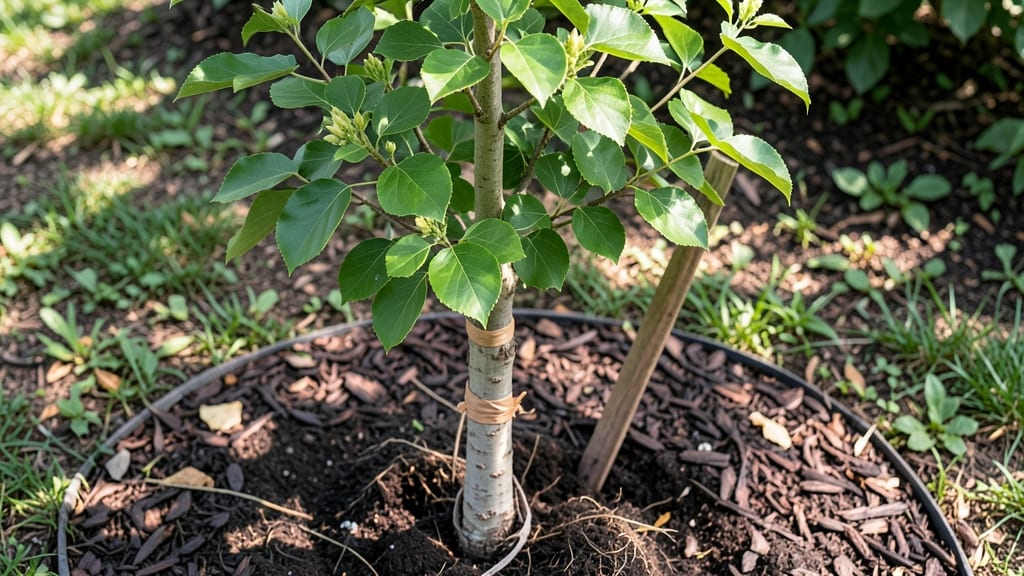
My first oak sapling nearly snapped in half during a spring storm—until I wrapped it with arbor ties for trees. That single change saved it from a lifetime of leaning, and now it stands straight as an arrow.
The right support isn’t just about looks; it’s how you prevent weak crotches, bark damage, and even root stress down the line.
You’ll need soft fabric ties (never wire or plastic) and a tape measure—plus a little patience. The key is placing ties 6-12 inches above the graft union (if your tree has one) and spacing them 18-24 inches apart up the trunk.
Too tight, and you’ll girdle the bark; too loose, and the tree sways like a reed in a hurricane.
By summer’s end, you’ll see your young tree growing stronger and straighter than ever, with no visible marks where the ties were. The best part? You can remove them after 2-3 years—just slide them off as the trunk thickens. No scars, no stress, just a tree that’ll outlive you.
Works for oaks, maples, fruit trees, or even newly planted shade trees. Here’s how to do it right the first time—no second chances with these little lifesavers.
📚 In This Guide
- What you need
- Instructions
- Tips and common mistakes
- Wrapping up and next steps
What you need
- ● Arbor ties (required): Soft, flexible ties (e.g., tree straps, fabric ties, or plastic ties) – 1-2 per tree, depending on trunk thickness.
- ● Size: Adjustable or pre-sized (typically 1–4 inches wide) to fit your tree’s trunk snugly.
- ● Support stakes (required for young/saplings): Wooden or metal stakes – 1-2 per tree, 3–4 feet long.
- ● Diameter: ½–¾ inch for easy driving into soil.
- ● Tools (required): Mallet or hammer (for stakes).
- ● Measuring tape (to check tie placement).
- ● Garden gloves (for comfort and grip).
- ○ Optional (but helpful!): Tree tie clips or buckles (for adjustable fits).
- ● Soft padding (e.g., foam or rubber) to protect bark.
- ● Spray bottle (to dampen ties if needed for flexibility).
How to use arbor ties for trees: a Step-by-Step guide to supportive growth
Here's how I ensure young trees grow straight and strong with minimal stress.
Choose the Right Arbor Ties for Your Tree Species
Select ties made from recycled plastic or biodegradable materials—they won't strangle the tree as it grows. For softwoods like pines or firs, use wide, flexible ties that won't cut into the bark. For hardwoods like oaks or maples, narrower, adjustable ties work best since they won't leave permanent marks as the trunk thickens.
I always check the width of the tie—it should be at least 1 inch wide for trees under 2 inches in diameter. For larger trees, opt for 2-inch-wide ties to distribute pressure evenly. Avoid metal ties—they can girdle the tree and cause permanent damage over time.
Install Ties at the Correct Height and Spacing
Place the first tie 6-12 inches above the soil line, where the trunk meets the root flare. This prevents soil from piling up against the trunk and causing rot. For taller trees, add a second tie 18-24 inches higher, but never tie at branch points—this can restrict growth and weaken the tree.
Space ties 12-18 inches apart vertically to support the tree without over-constricting. If your tree is under 4 feet tall, one tie is usually enough. For taller trees, add ties every 2 feet until the tree reaches 6 feet, then reduce to 3 feet apart for stability.
Secure Ties Without Restricting Growth
Wrap the tie around the trunk loosely—you should be able to slide one finger between the tie and the bark. Tighten just enough to keep the tree upright, but don’t cinch it down. Over-tightening can girdle the tree, cutting off sap flow and causing dieback.
For adjustable ties, use the built-in buckle or screw mechanism to secure them. For fixed-width ties, leave a small gap at the overlap and tuck the ends under the tie to prevent slipping. Check ties every 4-6 weeks—trees grow fast, and a tie that fits now may become too tight in a month.
Monitor and Adjust for Healthy Growth
Watch for rub marks or indentations where the tie presses against the bark. If you see these, loosen the tie immediately—even slight pressure can damage the cambium layer, which is essential for growth. Softwoods are especially sensitive, so check them every 2-3 weeks during the growing season.
Remove ties as soon as the tree can stand on its own, usually within 1-3 years for most species. I mark the installation date on the tie with a permanent marker so I don’t forget. Leaving ties on too long can cause permanent scarring or even tree death in extreme cases.
Tips & tricks for perfect arbor tie installation
These simple strategies will help you support your young trees without causing long-term damage.
Material Matters: When selecting arbor ties, pay close attention to the material specifications in Step 1. Recycled plastic ties are my go-to because they're flexible enough to accommodate growth while remaining sturdy. For trees with thinner bark like birch or willow, I opt for the biodegradable versions—they'll break down naturally when it's time to remove them, leaving no residue behind.
Visual Installation Guide: In Step 2, use a simple visual check to ensure proper height placement. Imagine dividing the tree trunk into thirds vertically—place your first tie at the lower third (6-12 inches up) where the trunk meets the root flare. For taller trees, add subsequent ties at each third, never at branch points. This creates natural support zones that mimic how trees naturally grow in the wild.
Growth Monitoring System: Create a simple maintenance schedule based on Step 3's 4-6 week check interval. I mark each tie installation date on my calendar with a reminder to check them. For softwoods, I set an extra reminder every 2-3 weeks during spring growth spurts when trees expand most rapidly. This prevents the common mistake of forgetting to adjust ties as the trunk thickens.
Removal Timeline: The 1-3 year removal window in Step 4 is actually quite flexible. I've found that most trees can support themselves by year 2 if they've developed strong root systems. To test readiness, gently tug on the tree—if it doesn't wobble, it's time to remove the ties. For particularly windy areas, you might extend this to 3 years, but never beyond that point.
Pro Tips for Arbor Ties For Trees
- These simple strategies will help you support your young trees without causing long-term damage.
- Material Matters: When selecting arbor ties, pay close attention to the material specifications in Step 1.
- Visual Installation Guide: In Step 2, use a simple visual check to ensure proper height placement.
Frequently asked questions
Got questions about arbor ties? We’ve got answers!
Whether you’re a first-time gardener or a seasoned landscaper, these common concerns can help you use arbor ties like a pro. Let’s dive in!
What exactly are arbor ties, and why do I need them?
Arbor ties are flexible, tree-friendly straps that support young trees by securing them to stakes or posts. They’re essential for preventing wind damage, ensuring straight growth, and protecting the trunk from bending—especially during storms or strong winds. Think of them as a temporary "brace" for your tree’s early years!
How long should I leave arbor ties on a tree?
Most arbor ties should stay on for 1–2 years, or until the tree’s trunk is sturdy enough to stand alone (about 2–3 inches in diameter). Check them monthly to ensure they’re not too tight—never leave them on permanently, as they can girdle the trunk over time. Remove them as soon as the tree is stable!
Can I reuse arbor ties, or should I replace them each time?
Reusing arbor ties is not recommended because they lose elasticity and can weaken over time. Plus, old ties may harbor mold or bacteria from previous use. Opt for new, high-quality ties each time to ensure your tree gets the best support. Pro tip: Store unused ties in a dry place to extend their shelf life!
What’s the best alternative if I don’t have arbor ties?
If you’re in a pinch, you can use soft tree straps (like cotton or jute), but avoid wire or plastic ties—they can cut into the bark. Another option? Velcro tree wraps, which are reusable and gentle. Just remember: Never use anything tight or abrasive that could harm the tree’s growth!
My arbor tie is digging into the tree—what should I do?
If a tie is too tight, loosen it immediately to avoid damaging the bark. Gently adjust the strap so it’s snug but not constricting (you should be able to fit a finger between the tie and the trunk). If the tie is worn or broken, replace it ASAP. Prevention tip: Always use ties with padding or a soft inner layer to protect delicate bark!
Wrapping up and next steps
Investing in arbor ties for trees is a game-changer for anyone committed to nurturing strong, straight, and resilient trees. Whether you're a homeowner, landscaper, or gardening enthusiast, these simple yet effective tools provide the support young trees need to thrive—saving you time, effort, and future headaches. 🌳✨
Now that you’re armed with the how-to and why, take the next step: grab your arbor ties and give your trees the best start possible! Happy planting—and watch those branches reach for the sky with confidence.