
Trees
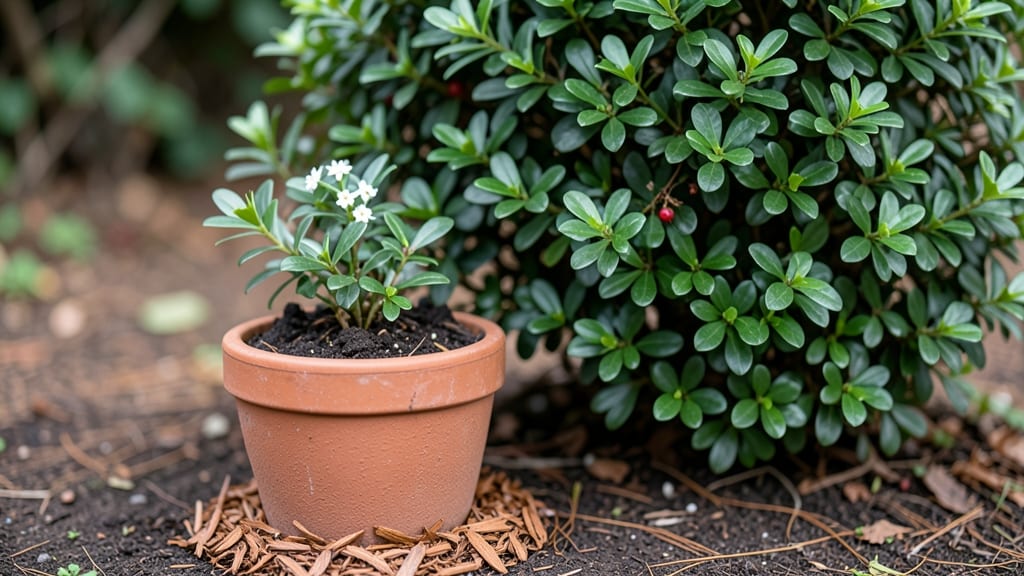
The best dwarf trees turn tiny spaces into lush, sophisticated gardens without the commitment of full-sized varieties. 🌿 I’ve filled my courtyard with these compact beauties—each one delivering year-round interest in a fraction of the footprint.
The key lies in their versatility: whether you’re framing a patio, spilling over a container, or creating a living room divider, these trees deliver big impact with minimal space.
Most thrive in 5-gallon containers or small garden beds, making them perfect for urban balconies, courtyard gardens, or even as focal points in mixed borders. My Japanese maple, for instance, fits snugly in a 12-inch pot yet dazzles with fiery fall foliage.
The secret? Matching their mature height (often 6-10 feet) to your space while choosing varieties that suit your light conditions—some bask in full sun, others prefer dappled shade. What you’ll love is how they layer texture and color into your design.
The ‘Little Gem’ magnolia blooms in spring like a showstopper, while the ‘Emerald Gaiety’ beech offers golden-edged leaves that glow year-round. Pair them with perennials like heuchera or lavender for a cohesive look that feels intentional, not crowded.
Here’s how to pick the perfect one for your spot—plus the care tricks that keep them thriving for decades.
📚 In This Guide
- What you need
- Instructions
- Tips and common mistakes
- Wrapping up and next steps
What you need
- ● Ready to bring compact charm to your space with dwarf trees? Here’s what you’ll need to get started—whether you’re planting in containers or small gardens! 🌿✨
- ● Pro Tip: 💡 If planting outdoors, check your USDA Hardiness Zone to pick cold-hardy dwarf varieties!
How to select and plant stunning dwarf trees for containers
Here's my foolproof method for choosing and planting dwarf varieties that thrive in tight spaces.
🌱 Step 1: Choose the Right Dwarf Variety for Your Space
Dwarf trees need full sun to partial shade depending on the species—always check the tag for light requirements. I recommend Japanese maples for delicate foliage, dwarf citrus for fragrant blooms, or ornamental cherries for seasonal color bursts. These varieties stay under 6 feet tall while delivering full-sized tree impact.
Look for container-grown specimens at nurseries—they've already adapted to root-bound conditions. Avoid field-grown trees with circling roots unless you're willing to prune them back during transplanting. The smaller the pot, the more frequently you'll need to water, so plan for 1-2 gallons per week during summer.
🪴 Step 2: Select Proper Containers and Drainage
Your container must be at least 18 inches deep to accommodate roots without crowding. I use glazed ceramic or heavy plastic because they retain moisture better than terra cotta, which dries out too quickly. Always check for multiple drainage holes—root rot from poor drainage kills dwarf trees just as fast as full-sized ones.
Add 2-3 inches of gravel or broken pottery at the bottom before filling with well-draining potting mix. This prevents compaction and ensures excess water drains away. If you're planting multiple dwarf trees together, space them 12-18 inches apart—they'll grow slowly but still need room to develop their natural shape.
☀️ Step 3: Plant with Care and Position Strategically
Remove the tree from its nursery pot and gently loosen the roots with your fingers—this encourages outward growth instead of circling. Place it in the container so the root flare (where roots meet the trunk) sits 1 inch above the soil line. Burying it too deep suffocates the trunk and causes rot.
Fill around the roots with potting mix, pressing lightly to eliminate air pockets. Water thoroughly until it drains from the bottom holes, then let it sit for 10-15 minutes before adding a 2-inch layer of mulch. This keeps moisture in while protecting roots from temperature swings. Position your container where it gets at least 6 hours of sunlight daily—most dwarf trees reward proper light with vibrant foliage.
💧 Step 4: Water and Fertilize for Long-Term Health
Dwarf trees need deep watering every 5-7 days in summer, but check the soil first—stick your finger 2 inches down. If it feels dry, water until moisture runs from the drainage holes. Overwatering is the #1 killer of container trees, so never let them sit in saucers of standing water.
Feed with a balanced 10-10-10 fertilizer every 4-6 weeks during growing season (spring through fall). I mix it with water and apply it directly to the soil, avoiding the foliage. In winter, reduce feeding to once every 8-10 weeks—dwarf trees enter dormancy just like their larger counterparts, even in containers.
✂️ Step 5: Prune and Maintain Year-Round
Prune late winter or early spring before new growth begins. Remove any dead, crossing, or inward-growing branches with clean, sharp shears—this keeps the tree's natural shape while encouraging airflow. I never cut more than 25% of the canopy at once, as dwarf trees are sensitive to drastic pruning.
Watch for spider mites or scale insects on the undersides of leaves—these pests love container-grown trees. Treat infestations immediately with neem oil spray applied in the early morning. With proper care, your dwarf tree will thrive for 10+ years, offering all the beauty of a full-sized tree without the space requirements.
Tips & tricks for perfect dwarf tree planting
Here's what nobody tells you about making your container-grown dwarf trees thrive like a pro.
Root Care is Everything: When you're loosening those roots in Step 3, don't just pull them apart—gently tease them outward with your fingers. This prevents that dreaded root circling that strangles growth. I've seen trees with perfect care fail because of this one step. The goal is to encourage outward root development that spreads into your container's soil volume rather than staying compacted in a ball.
Light Position Matters: That "at least 6 hours of sunlight" in Step 3 is non-negotiable for most varieties, but here's the secret: rotate your container every 2-3 weeks. Trees grow toward the light, and this rotation creates a perfectly balanced shape. I've seen Japanese maples develop lopsided growth when left in one spot—don't make that mistake! Morning sun is especially valuable as it's less intense than afternoon rays.
Winter Protection Strategy: During those cold months when feeding reduces to every 8-10 weeks, move your containers to a sheltered location if temperatures drop below 20°F. I've lost trees to freeze damage despite proper care because they were left exposed. A simple solution is to wrap the container with bubble wrap or move it against an exterior wall. The mulch layer you add in Step 3 becomes even more crucial during winter months.
Pest Prevention: That neem oil spray in Step 5 is your best friend, but here's how to use it effectively: apply it when leaves are dry and the temperature is above 50°F. I've found that early morning applications work best because the oil needs time to dry before sunlight intensifies. For severe infestations, repeat every 7-10 days until you see new growth emerge free of pests. Prevention is key—check undersides of leaves weekly during growing season.
Pro Tips for Best Dwarf Trees
- Here's what nobody tells you about making your container-grown dwarf trees thrive like a pro.
- Root Care is Everything: When you're loosening those roots in Step 3, don't just pull them apart—gently tease them outward with your fingers.
- Light Position Matters: That "at least 6 hours of sunlight" in Step 3 is non-negotiable for most varieties, but here's the secret: rotate your container every 2-3 weeks.
Frequently asked questions
What’s the best dwarf tree for full sun exposure?
Look for sun-loving varieties like Dwarf Alberta Spruce or Dwarf Hinoki Cypress. These thrive in 6+ hours of direct sunlight and retain their vibrant color year-round. Always check the label—some "sun-tolerant" trees prefer partial shade.
How long does it take for a dwarf tree to reach maturity?
Most dwarf trees mature in 3–10 years, depending on the species. Faster growers like Dwarf Japanese Maple may fill out in 3–5 years, while slower varieties (e.g., Dwarf Pines) take a decade. Patience pays off—slow growth means long-term stability!
Can I grow dwarf trees in containers?
Dwarf trees are perfect for pots, provided the container has drainage holes and is at least 12–18 inches wide. Use well-draining soil and repot every 2–3 years. Bonus: Container trees let you move them to optimize sunlight or protect them in winter.
Do dwarf trees need winter care in cold climates?
Yes! Mulch the base to insulate roots, and wrap young trees in burlap if temps drop below 10°F (-12°C). Evergreens like Dwarf Mugo Pine handle cold well, but tender varieties (e.g., Dwarf Gardenia) may need indoor overwintering.
What’s a good alternative if I can’t find a dwarf tree?
Consider miniature shrubs (like Dwarf Boxwood), ornamental grasses, or bonsai-trained trees. For instant impact, try dwarf conifers (e.g., Dwarf Blue Star Juniper)—they’re widely available and low-maintenance!
Pro Tip:
Always prune in late winter to encourage bushier growth. Use sterilized shears and avoid cutting into old wood—focus on shaping, not size reduction!
Wrapping up and next steps
Choosing the best dwarf trees for your space is a rewarding way to bring nature’s charm into small gardens, patios, or containers—without sacrificing style or space! 🌿 Whether you’re drawn to the delicate blooms of a Japanese Maple or the vibrant foliage of a Dwarf Alberta Spruce, these compact beauties offer year-round appeal with minimal upkeep.
Now that you’re armed with care tips and answers to common questions, it’s time to get planting!
Ready to transform your outdoor area? Pick your favorite dwarf tree, grab your gardening tools, and start creating a lush, low-maintenance oasis today. Happy gardening! 🌱