
Trees
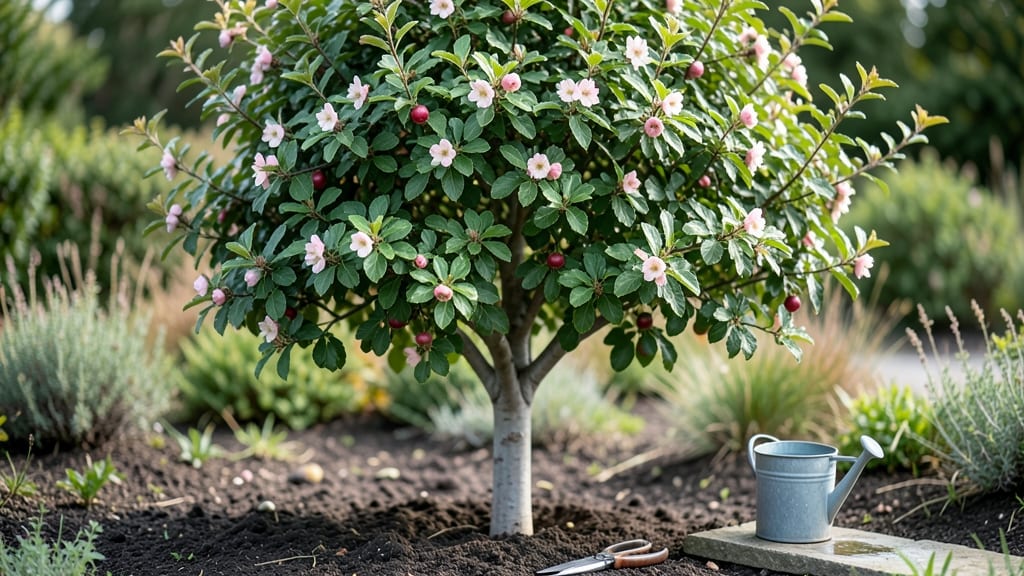
The best small canopy trees turn tight spaces into sunlit retreats without sacrificing shade. I planted a Japanese maple in my 20-foot-wide backyard last spring, and now it provides perfect dappled light for my patio while staying under 15 feet tall.
The key is choosing varieties that mature small but still develop a full, rounded shape—think of them as miniature oaks or maples, not just shrubs in disguise.
These trees thrive in urban gardens because they adapt to different conditions. Most prefer well-draining soil and at least 6 hours of sunlight, though some like serviceberry handle partial shade beautifully.
Their compact root systems mean less competition with nearby plants, and many—like dwarf Korean lilac pine—require minimal pruning once established. The real magic happens when you pair them with low-growing perennials underneath, creating layers that make the space feel intentional.
What you’ll love most is how quickly they transform a hot, exposed area into a cool, inviting nook. Imagine sipping morning coffee under the filtered light of a chestnut oak or hosting summer dinners beneath a paperbark maple’s delicate foliage.
The best part? Many of these trees bloom with spring flowers or put on brilliant fall color, giving you seasonal interest without the bulk. We’ll cover the top 5 varieties that deliver both shade and style in limited spaces.
Whether your yard is 500 square feet or a narrow city lot, these trees prove you don’t need acres to create a shaded escape. We’ll also share placement tricks—like avoiding power lines and planting near foundations—and companion plants that enhance their natural beauty.
Let’s find the perfect fit for your compact garden.
📚 In This Guide
- What you need
- Instructions
- Tips and common mistakes
- Wrapping up and next steps
What you need
- ● Small canopy tree(s): Species like Japanese Maple (Acer palmatum), Dwarf Korean Lilac (Syringa meyeri), or Serviceberry (Amelanchier) (choose 1–3, depending on space). Size: 6–10 feet tall at maturity (verify with nursery).
- ● Planting hole tools: Shovel (round-point or spade) – 1 per tree. Garden trowel – 1 for amending soil.
- ● Soil amendments: Compost or well-rotted manure – 5–10 gallons per tree. Slow-release fertilizer (10-10-10 or balanced) – 1–2 lbs per tree.
- ● Mulch: Organic mulch (pine bark, shredded leaves) – 2–3 inches, 3 feet out from trunk.
- ● Watering supplies: Garden hose with adjustable nozzle or watering can – 1 per tree for initial watering.
- ● Tree supports: Stakes (2–3 per tree) + tree ties (if planting in windy areas).
- ● Soil test kit – To check pH and nutrient levels before planting.
- ● Pruning shears – For shaping or removing dead branches post-planting.
- ● Drip irrigation system – For consistent moisture (especially in dry climates).
- ● Eco-friendly pest control (e.g., neem oil spray) – For organic gardeners.
Step-by-Step guide to planting small canopy trees in compact gardens
Here’s how to transform tight spaces into lush, shaded retreats with minimal fuss.
🪴 Step 1: Choose the Right Tree for Your Space
Small canopy trees thrive in tight spots—look for varieties like Japanese maple (Acer palmatum), serviceberry (Amelanchier), or dwarf cherry (Prunus). These mature at 10-20 feet tall with a spread of 8-12 feet, perfect for patios or narrow yards. Avoid fast-growing trees; they outpace their roots and topple over.
Check your garden’s sunlight first. Most small canopy trees need full sun (6+ hours daily), but some, like Amelanchier, tolerate partial shade. Dig the hole twice as wide as the root ball but no deeper—this encourages roots to spread horizontally for stability.
☀️ Step 2: Prepare the Planting Site for Stability
Clear debris and loosen the soil to 12 inches deep with a shovel or garden fork. Amend heavy clay with 2 inches of compost mixed into the top 6 inches—this improves drainage and root growth. Avoid adding fertilizer at planting; it burns tender roots.
For windy areas, stake the tree only if necessary (use two stakes at a 45-degree angle). Tie the trunk loosely to the stakes with soft tree ties—too-tight ties strangle the trunk as it grows. Water the hole deeply before planting to settle the soil.
🌱 Step 3: Plant and Water for Immediate Support
Place the tree in the hole so the top of the root ball sits level with the ground—burying the trunk too deep suffocates it. Backfill with native soil (no amendments) and tamp gently in 2-inch layers to remove air pockets. A slight mound forms around the base—this helps water pool for roots.
Water 1 gallon per inch of trunk diameter immediately after planting. For a 3-inch trunk, that’s 3 gallons. Mulch with 2-3 inches of shredded bark, keeping it 6 inches away from the trunk to prevent rot. Mulch retains moisture and regulates soil temperature—critical for young roots.
✂️ Step 4: Prune and Maintain for Long-Term Health
Remove any broken branches and cut back suckers (shoots growing from the base) to redirect energy upward. Prune in late winter to shape the tree—focus on removing crossing branches and those growing inward. Use clean, sharp pruners to avoid tearing bark.
Water deeply once a week during the first year, aiming for 1-2 inches of water per session. Small canopy trees develop shallow roots initially, so consistent moisture prevents stress. After year two, they’ll need water only during droughts—look for wilting leaves as a cue.
🌿 Step 5: Monitor Growth and Adjust Care
Fertilize lightly in early spring with a balanced 10-10-10 formula—half the recommended dose. Over-fertilizing causes weak, floppy growth. Watch for yellowing leaves (too much water) or crispy edges (underwatering) and adjust accordingly.
Mulch annually in early spring to replenish organic matter. Avoid piling mulch against the trunk—this traps moisture and invites pests. With proper care, your small canopy tree will cast shade within 3-5 years, transforming your compact garden into a cozy retreat.
Tips & tricks for perfect small canopy trees
Transforming tight spaces into shaded retreats starts with these game-changing insights that'll keep your small canopy trees thriving for years.
Root Ball Placement: In Step 3, when you position the tree, make sure the root ball sits perfectly level with the surrounding soil—never higher or lower. I've seen too many trees planted with the root ball buried too deep, which suffocates the trunk and stunts growth. Use a level tool to double-check before backfilling. The goal is to mimic the tree's natural root spread, which happens best when the root ball sits at ground level.
Mulch Mastery: That 2-3 inches of shredded bark mulch in Step 3 isn't just decoration—it's your tree's lifeline. Spread it evenly but keep it 6 inches away from the trunk to prevent rot. Pro tip: Refresh the mulch annually in early spring (as mentioned in Step 5) to maintain its moisture-retaining properties. I've noticed trees with consistent mulch develop stronger root systems and handle drought better.
Watering Wisdom: The 1 gallon per inch of trunk diameter rule in Step 3 is your best friend, but timing matters too. Water deeply in the morning so the soil has all day to absorb moisture before evening evaporation. For a 3-inch trunk, that's 3 gallons—but split it into two sessions if your soil drains quickly. Overwatering is just as harmful as underwatering, especially for young trees with shallow roots.
Pruning Precision: When you prune in late winter (Step 4), focus on removing crossing branches first—they create weak points where pests can enter. I always make cuts just outside the branch collar (the swollen area where the branch meets the trunk) to promote faster healing. And never remove more than 25% of the tree's foliage in one session, or you'll stress the tree unnecessarily.
Pro Tips for Small Canopy Trees
- Transforming tight spaces into shaded retreats starts with these game-changing insights that'll keep your small canopy trees thriving for years.
- Root Ball Placement: In Step 3, when you position the tree, make sure the root ball sits perfectly level with the surrounding soil—never higher or lower.
- Mulch Mastery: That 2-3 inches of shredded bark mulch in Step 3 isn't just decoration—it's your tree's lifeline.
Frequently asked questions
Got questions about small canopy trees? You’re not alone! Here are some of the most common concerns—and straightforward answers—to help you pick the perfect shade provider for your compact garden.
What’s the best small canopy tree for a sunny vs. shady spot?
For sunny areas, opt for drought-tolerant varieties like the Japanese Maple or Dwarf Korean Lilac Tree. They thrive with 6+ hours of sunlight. In shady spots, try the Dwarf Ficus or Amelanchier (Serviceberry), which handle low light better. Always check the tag for light preferences!
How close to my house can I plant a small canopy tree?
Keep it at least 3–5 feet from foundations, sidewalks, or driveways to avoid root competition or future removal headaches. Larger varieties (like Dwarf Cherry Trees) need more space—aim for 6+ feet from structures. When in doubt, dig a hole twice as wide as the root ball for wiggle room!
How long does it take for a small canopy tree to provide shade?
Most small canopy trees take 2–5 years to reach maturity and offer meaningful shade, depending on the species. Fast growers like the Dwarf Weeping Willow can fill in quicker (1–3 years), while slower growers (e.g., Dwarf Crape Myrtle) may take 5+ years. Patience pays off—think of it as an investment in long-term comfort!
Can I grow a small canopy tree in a container?
Many small canopy trees (like Dwarf Citrus or Japanese Zelkova) thrive in 15–25 gallon containers for 2–3 years before transplanting. Use well-draining soil, a pot with drainage holes, and repot every 1–2 years. Just remember: container-grown trees may need more frequent watering and winter protection in cold climates.
Are small canopy trees low-maintenance? What pests should I watch for?
Most are relatively low-maintenance, but watch for aphids, spider mites, or scale insects—common culprits. Prune once a year to shape growth and remove dead branches. Some trees (like Dwarf Fruit Trees) may need thinning to boost airflow. Preventative tip: Mulch around the base to deter weeds and retain moisture!
Pro Tip: Need instant shade?
Combine a small canopy tree with fast-growing vines (like Clematis) on a trellis for layered shade in just 1–2 seasons. It’s a win-win for privacy and aesthetics!
Wrapping up and next steps
Small canopy trees are a game-changer for compact gardens—offering lush shade, year-round beauty, and minimal space demands. Whether you’re a busy urban gardener or a beginner, these trees bring big rewards with low maintenance and high impact.
The key? Choose the right variety for your climate and sunlight, then give it room to thrive.
Ready to transform your space? Start small—plant one today! 🌱 Whether you’re testing a Japanese maple or a dwarf apple tree, every leafy addition counts. Happy gardening!