
Trees
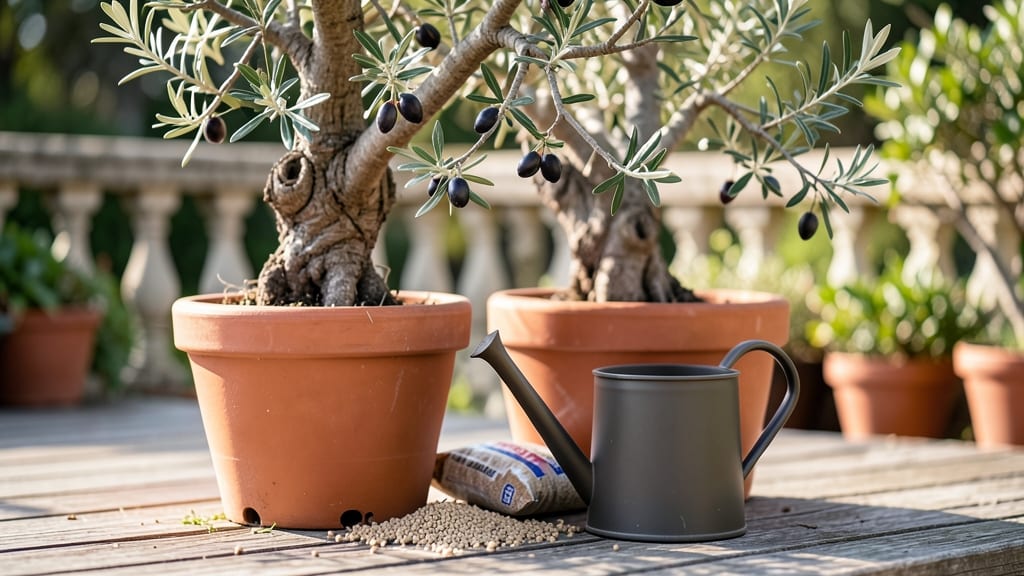
Caring for olive trees in pots isn’t just possible—it’s a rewarding way to enjoy Mediterranean flavors right on your patio, and I’ve watched my own potted olive tree thrive from a sad nursery sapling to a productive 6-foot beauty in just... three years, and the secret lies in mimicking its natural environment while working around container limits.
The key starts with the right setup: a 15-20 gallon container with drainage holes, well-draining soil mix (think 60% mineral soil, 30% perlite, 10% compost), and a sunny spot getting 6+ hours of direct light daily.
Overwatering is the #1 killer—let the top 2 inches dry out between waterings, and reduce even more in winter when growth slows.
You’ll know you’re doing it right when you see silver-green leaves in spring and tiny olives forming by late summer. Prune lightly after harvest to shape the tree, and fertilize sparingly with a balanced organic feed—olives hate rich soil.
With these adjustments, your potted olive can live for decades, producing fruit and beauty year after year.
Perfect for small spaces, urban balconies, or anyone who wants to grow food without a yard. The trick is patience—olives grow slowly, but the payoff makes every adjustment worth it. Let’s get your tree thriving!
📚 In This Guide
- What you need
- Instructions
- Tips and common mistakes
- Wrapping up and next steps
What you need
- ● Container: A large, heavy pot (at least 18–24 inches in diameter) with drainage holes. Terracotta or fiberglass works best for heat retention.
- ● Well-draining soil: A mix of 60% cactus/succulent soil, 20% perlite/pumice, and 20% coarse sand (or a pre-made Mediterranean blend).
- ● Olive tree sapling: Choose a dwarf or semi-dwarf variety (e.g., ‘Arbequina’ or ‘Manzanillo’) from a nursery.
- ● Drainage tray: To catch excess water and prevent root rot.
- ● Watering can: With a narrow spout for precise hydration.
- ● Fertilizer: A balanced, slow-release fertilizer (e.g., 10-10-10) or organic options like fish emulsion or compost tea.
- ● Pruning shears: Sharp, sterilized shears (or small hand pruners) for shaping and maintenance.
- ● Mulch: Pebbles or straw to retain moisture and regulate soil temperature.
- ● Support stake: For young trees in windy areas (use a 3–4 ft bamboo stake).
- ● pH testing kit: To monitor soil acidity (olives prefer 6.0–8.0 pH).
- ● Slow-release watering system: Self-watering pots or drip irrigation for consistency.
- ● Insecticide (organic):strong> Neem oil or horticultural soap for pest control.
Step-by-step guide to nurturing olive trees in containers
Container-grown olives thrive with the right balance of sun, soil, and patience—here’s how to keep them healthy and productive.
Select the Right Pot and Drainage
Olive trees need deep, well-draining pots with multiple drainage holes—at least two per 12-inch container—to prevent root rot. I recommend unglazed terra cotta for mature trees because it breathes and mimics Mediterranean soil conditions. For a 4-foot-tall tree, choose a pot at least 18 inches deep and 24 inches wide—shallower containers stunt root growth and limit nutrient uptake.
Line the bottom with 2-3 inches of coarse gravel or broken pottery shards to elevate the root ball and improve aeration. This layer also prevents soil from clogging drainage holes over time. If repotting an established tree, increase pot size by only 2-3 inches in diameter per year—olives tolerate root restriction better than sudden spaciousness, which can encourage excessive top growth over roots.
Use a Fast-Draining, Mineral-Rich Soil Mix
Olives despise soggy soil, so blend 60% cactus/succulent mix with 30% coarse sand and 10% perlite or pumice for optimal drainage. I avoid garden soil entirely—it compacts and holds too much moisture, leading to fungal diseases like root rot. For a 18-inch pot, you’ll need about 3 gallons of this mix to fill it properly without packing it down.
Add a slow-release fertilizer (like 10-10-10) at planting, mixing 1 tablespoon per gallon of soil. This gives young trees a nutrient boost without risking salt buildup from over-fertilizing. Olive trees are drought-tolerant but benefit from micronutrients like iron and zinc, so include a chelated iron supplement if your tap water is alkaline—yellowing leaves often signal deficiency.
Position for Full Sun and Shelter from Harsh Elements
Olives require at least 6-8 hours of direct sunlight daily, preferably morning sun with afternoon shade in hot climates to prevent leaf scorch. Place pots on a south- or west-facing patio where they’ll receive consistent light. If growing indoors near a window, supplement with a grow light for 12-14 hours daily—olives won’t fruit without proper light exposure.
Protect young trees from strong winds and freezing temperatures. In zones colder than USDA Zone 8, move pots to a garage or sheltered porch when nighttime temps drop below 35°F. I’ve seen olive leaves blacken overnight if exposed to sudden cold snaps. During summer, mist leaves daily in extreme heat (above 95°F) to reduce stress, but avoid overhead watering—it promotes fungal diseases.
Water Deeply but Infrequently
Olives thrive on drought-like conditions. Water only when the top 2-3 inches of soil feel completely dry—stick your finger in the soil to check. For a 18-inch pot, this typically means watering every 7-10 days in summer and every 3-4 weeks in winter. Overwatering is the fastest way to kill a potted olive—roots rot within days if left soggy.
When watering, soak the soil thoroughly until it drains freely from the bottom. Empty the saucer 30 minutes later to prevent the root zone from sitting in water. Young trees need more frequent watering (every 5-7 days) until established, but never let them sit in wet soil. Signs of overwatering include yellowing leaves, wilting despite moist soil, or mold on the soil surface—all red flags to cut back immediately.
Prune for Shape and Health Annually
Prune late winter or early spring before new growth begins. Remove dead, crossing, or inward-growing branches first to improve airflow and sunlight penetration. Olive trees naturally grow upright with a dense canopy, so I prune to encourage a balanced shape—cut back overly long branches by 1/3 to stimulate bushier growth. Avoid heavy pruning in summer, as it stresses the tree and reduces fruit production.
Sterilize pruning shears with rubbing alcohol between cuts to prevent disease spread. Seal larger cuts (over ½ inch in diameter) with pruning sealant to protect the tree from pests and infection. If your olive produces fruit, thin clusters to 3-4 olives per branch in early summer—this ensures larger, higher-quality olives rather than a heavy load that stresses the tree.
Tips & tricks for thriving potted olive trees
Container-grown olives demand precision—here’s how to avoid common pitfalls and maximize their Mediterranean resilience.
Pot Selection Insight: While terra cotta is ideal for mature trees, younger olives can start in plastic pots (just ensure those two drainage holes are present). The key is the 18-inch depth requirement—shallower pots restrict root development, which directly impacts fruit production. I’ve seen trees in 12-inch pots struggle to bear olives because their roots can’t access enough nutrients. If you’re repotting, increase diameter by just 2-3 inches per year—this gradual adjustment prevents root shock while allowing growth.
Soil Mix Strategy: The 60-30-10 blend of cactus mix, coarse sand, and perlite isn’t just about drainage—it’s about replicating the mineral-rich, fast-draining soils of olive groves. For an extra boost, incorporate 1 part composted leaf mold into the mix (optional). This adds organic matter without compromising drainage. When mixing the 3 gallons for an 18-inch pot, fluff the soil gently with your hands—packing it down creates compaction that mimics wet soil conditions, which olives despise.
Sunlight Optimization: The 6-8 hours of direct sunlight requirement is non-negotiable, but placement matters just as much. South-facing patios work best in Northern Hemisphere climates, but if your space only gets 4-5 hours of direct sun, supplement with a grow light for 12-14 hours daily. I’ve found that LED grow lights with a red-blue spectrum (around $50-$80) are the most cost-effective for container olives. Position the light 12-18 inches above the tree to prevent leaf burn.
Winter Protection Pro Tip: When nighttime temps drop below 35°F, don’t just move your olive indoors—acclimate it gradually. Start by moving it to a garage or sheltered porch for 2-3 days before bringing it inside. Sudden temperature shifts can cause leaf drop. If you must keep it indoors, place it near a south-facing window and maintain 50-60% humidity with a pebble tray. Olive leaves are delicate in winter—they’ll recover from cold damage, but it takes 3-4 weeks for new growth to emerge.
Pro Tips for Caring For Olive Trees In Pots
- Container-grown olives demand precision—here’s how to avoid common pitfalls and maximize their Mediterranean resilience.
- Pot Selection Insight: While terra cotta is ideal for mature trees, younger olives can start in plastic pots (just ensure those two drainage holes are present).
- Soil Mix Strategy: The 60-30-10 blend of cactus mix, coarse sand, and perlite isn’t just about drainage—it’s about replicating the mineral-rich, fast-draining soils of olive groves.
Frequently asked questions
Got questions about keeping your olive tree happy in a pot? Here are some of the most common ones—and their answers—to help you grow with confidence!
How often should I water my potted olive tree?
Olive trees in pots need watering only when the top 1-2 inches of soil are completely dry. Typically, this means watering every 1-2 weeks in warm weather and even less in cooler months. Overwatering is the #1 killer—let the soil dry out between waterings to prevent root rot.
Can olive trees survive winter in pots?
Yes, but they need protection! Move potted olive trees to a sheltered, unheated garage or balcony when temps drop below 20°F (-7°C). Mulch the soil with straw or leaves and avoid watering until spring. Young trees are more sensitive—consider wrapping the pot in burlap for extra insulation.
What’s the best soil mix for potted olive trees?
Olive trees thrive in well-draining, slightly alkaline soil (pH 6.0–8.0). Mix 60% cactus/succulent soil with 30% perlite/pumice and 10% compost for optimal drainage. Avoid heavy garden soil—it causes root rot. A terracotta pot (not plastic) helps prevent moisture buildup.
Why are my olive tree’s leaves turning yellow?
Yellow leaves usually signal overwatering or nutrient deficiency. Check the soil moisture first—if soggy, reduce watering. If leaves are pale or curled, feed your tree with a balanced fertilizer (10-10-10) in spring/summer. Yellowing on older leaves? It’s natural aging, but new leaves turning yellow? Time to troubleshoot!
Can I grow an olive tree in a pot indoors?
While possible, olive trees need bright, direct sunlight (6+ hours/day)—a south-facing window or grow lights work. If indoors, expect slower growth and smaller harvests. For best results, keep it outdoors in summer and bring it inside before winter. Patience is key—indoor olive trees may take years to mature!
Wrapping up and next steps
Caring for olive trees in pots is a rewarding journey that blends patience, creativity, and a touch of Mediterranean charm. With the right container, soil, sunlight, and attention to pruning, your olive tree can thrive—even in small spaces!
Remember, consistency is key, whether it’s watering, fertilizing, or protecting your tree from harsh winters. 🌱
Now that you’re armed with tips, why not start your olive tree adventure today? Pick your pot, grab some well-draining soil, and give your green thumb a new challenge. Happy growing! 🌿