
Pruning
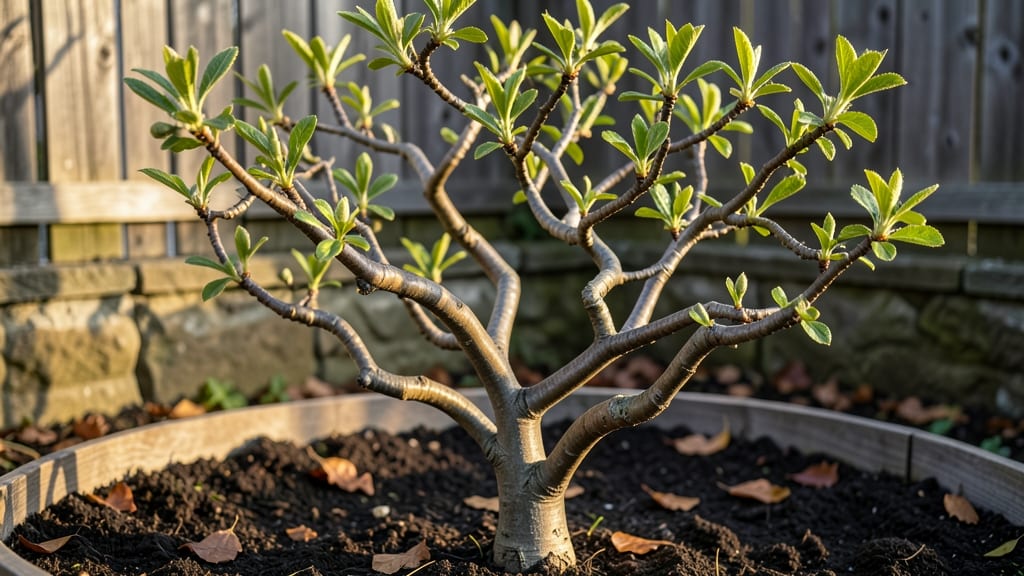
This corkscrew hazel tree is the kind of plant that makes neighbors stop and stare—twisting branches create a living sculpture that looks like it belongs in a fairy tale. 🌿 I planted mine five years ago, and every winter, the stark silhouette against snow becomes the centerpiece of my winter garden, while summer brings lush green foliage that softens the dramatic shape.
The secret to keeping it stunning isn’t complicated: prune in late winter when the tree is dormant, and you’ll encourage those signature twists to tighten up. You’ll need sharp pruners, a ladder (for taller branches), and about 30 minutes to shape it properly.
The key is working with the natural growth pattern—never cut back into the center, or you’ll lose the corkscrew effect.
What you’ll end up with is a tree that looks good year-round, from its bold winter structure to the fresh green leaves of spring. It’s also incredibly low-maintenance once established—no fertilizers, no fuss. The only real challenge is resisting the urge to over-prune, which can weaken those delicate twists.
Perfect for small gardens, container growing (when young), or as a standalone specimen. Here’s how to keep it thriving without losing its signature shape—no green thumb required.
📚 In This Guide
- What you need
- Instructions
- Tips and common mistakes
- Wrapping up and next steps
What you need
- ● Pruning shears: Bypass pruners (sharp, 6–8" blades) for clean cuts on small branches.
- ● Loppers: 8–12" bypass loppers for thicker branches (up to 2" diameter).
- ● Pruning saw: Curved-tooth saw for branches thicker than 2".
- ● Rubbing alcohol (70%+) or bleach solution: 1 part bleach to 10 parts water (for sterilizing tools).
- ● Garden gloves: Heavy-duty, cut-resistant gloves (e.g., Felco or Fiskars brand).
- ● Extension pole: 6–10 ft telescoping pole with pruning head (for high branches).
- ○ 5-gallon bucket or bag: For collecting pruned branches (optional: biodegradable liner).
- ○ Pruning sealant (optional): Wound dressing for large cuts (e.g., Tanglefoot Tree Wound Pruning Seal).
- ● Weather check: Prune on a dry, overcast day (avoid wind or rain).
- ● Safety glasses: Protect your eyes from debris.
- ● Long sleeves/pants: To prevent scratches from thorns or branches.
- ● Ladder (if needed): Sturdy, 3-section ladder with non-slip feet (for trees over 8 ft tall).
- ● First-aid kit: Bandages and antiseptic wipes (just in case!).
Step-by-Step pruning guide for corkscrew hazel trees
Master the art of shaping these striking trees with precision cuts that preserve their signature spiral form.
🌿 Step 1: Time Your Pruning for Optimal Growth
Prune your corkscrew hazel (Corylus avellana 'Contorta') in late winter to early spring, just as buds begin to swell but before new growth starts. This timing ensures you remove dead wood while allowing the tree to focus energy on its signature twisted branches. Avoid pruning in fall—new growth won't harden off before winter, leaving branches vulnerable to cold damage.
Here's the thing—corkscrew hazels respond best to light, strategic cuts. You're not just trimming; you're sculpting. Wait until the tree shows tight bud clusters along the stems. These buds are your guide: they'll tell you where new growth will emerge, helping you maintain the spiral pattern.
If you must prune in summer, do it after flowering to avoid removing next year's bloom potential. Summer cuts should be minimal—just enough to correct wayward branches. Never prune more than one-third of the tree's canopy in a single season, or you risk stressing the plant.
✂️ Step 2: Remove Dead, Diseased, or Crossing Branches First
Start with sanitary pruning: cut out any dead, diseased, or broken branches using clean, sharp pruners. Disinfect your tools with 70% isopropyl alcohol between cuts to prevent spreading pathogens. Look for branches with blackened bark, fungal growth, or hollow centers—these are priority removals.
Next, identify crossing branches where stems rub against each other. These create wounds that invite disease and weaken the tree's structure. Make your cuts just outside the branch collar (the swollen area where the branch meets the trunk). This ensures the tree can seal the wound naturally. If a branch is larger than ½ inch in diameter, use loppers or a pruning saw for cleaner cuts.
Watch for water sprouts—those vigorous, upright shoots growing from the base or along the trunk. These compete with your spiral branches for energy. Snip them off at the base. You'll know you're on the right track when the tree's signature corkscrew pattern becomes more defined after these initial cuts.
🪴 Step 3: Shape the Spiral Pattern with Precision Cuts
Now for the fun part: refining the spiral. Step back and study the tree's natural corkscrew formation. Your goal is to enhance, not force, the twist. Focus on selective thinning—remove branches that disrupt the spiral's flow, but leave the strongest, most twisted stems intact.
Use your pruners to shorten overlong branches by cutting back to a bud that faces outward on the spiral. This encourages new growth in the direction you want. For branches that grow too upright or straight, make a small cut just above a downward-facing bud to redirect growth along the curve. Avoid heavy pruning of the main spiral stems—they're the tree's architectural backbone.
Real talk: this is where patience pays off. If a branch looks stubbornly straight, don't hack it back aggressively. Instead, thin out competing side branches to give the spiral room to breathe. You'll see the difference in 2-3 years as the tree fills out with new, properly twisted growth.
☀️ Step 4: Maintain Year-Round with Light Touch-Ups
Corkscrew hazels need minimal maintenance between major pruning sessions, but keep an eye out for wayward shoots or branches that grow too large. In early summer, check for suckers (shoots growing from the base) and remove them immediately. These drain energy from your prized spiral structure.
After heavy storms or winter winds, inspect the tree for broken or split branches. Prune these promptly to prevent further damage. Use rubber tree wrap on any large cuts to protect the tree from sun scald and pests. This is especially important for exposed cuts on the tree's main stems.
Here's the moment that matters: fertilize lightly in early spring with a balanced 10-10-10 formula to support new growth. Water deeply after pruning to help the tree recover. You'll know you're doing it right when the tree's twisted branches remain vibrant and the spiral pattern tightens over time.
⏰ Step 5: Monitor for Growth and Adjust as Needed
Every 6-12 months, reassess the tree's structure. Look for gaps in the spiral or branches that have grown too long. These are your cues to make small, corrective cuts. The key is to prune for form, not size—your goal is to preserve the corkscrew's natural beauty, not turn it into a topiary.
If you notice yellowing leaves or stunted growth, it could signal over-pruning or nutrient deficiency. Adjust your approach: reduce pruning in the following year and apply a slow-release fertilizer in early spring. Healthy corkscrew hazels should produce vibrant green foliage and tight, twisted branches without excessive leaf drop.
Don't skip this (I learned the hard way): never prune in fall. New growth won't harden off before winter, and the tree's energy will be wasted on tender shoots. By following this schedule, your corkscrew hazel will reward you with year-round structure and striking visual interest for decades.
Tips & tricks for perfect corkscrew hazel pruning
Here's what I've learned after years of sculpting these unique trees—these details make all the difference between a messy trim and a showstopping spiral.
Seasonal Timing Secret: The late winter to early spring window (when buds swell but before new growth) is your sweet spot. I always check for those tight bud clusters—this is your visual cue that the tree is ready. If you're forced to prune in summer, wait until after flowering to preserve next year's blooms. Between us, I've seen too many trees stressed by fall pruning when new growth can't harden off before winter.
Equipment Upgrade: Invest in a quality pair of bypass pruners for clean cuts, and keep a small bottle of 70% isopropyl alcohol handy to disinfect between cuts. For branches over ½ inch thick, loppers or a pruning saw will give you the precision needed to maintain that signature spiral. I've ruined too many cuts with dull tools—sharp is non-negotiable for proper healing.
Pruning Technique: When shaping the spiral in Step 3, focus on cutting to outward-facing buds to encourage growth that follows the natural twist. For stubborn straight branches, thin out competing side branches instead of hacking back the main stem. This subtle approach preserves the tree's architectural integrity while giving the spiral room to develop over 2-3 years.
Post-Pruning Care: After your cuts, apply rubber tree wrap to any large wounds to protect against sun scald and pests. I've seen too many exposed cuts become entry points for disease. Water deeply after pruning to help the tree recover, and consider a light application of 10-10-10 fertilizer in early spring to support new growth while maintaining the vibrant green foliage you want.
Pro Tips for Corkscrew Hazel Tree
- Here's what I've learned after years of sculpting these unique trees—these details make all the difference between a messy trim and a showstopping spiral.
- Seasonal Timing Secret: The late winter to early spring window (when buds swell but before new growth) is your sweet spot.
- Equipment Upgrade: Invest in a quality pair of bypass pruners for clean cuts, and keep a small bottle of 70% isopropyl alcohol handy to disinfect between cuts.
Frequently asked questions
Got questions about pruning your corkscrew hazel tree? You’re not alone! Here are some of the most common queries—plus clear, actionable answers to keep your tree thriving year-round.
When is the best time to prune a corkscrew hazel tree?
Prune your corkscrew hazel tree in late winter or early spring (before new growth starts) to avoid stressing the plant. This timing ensures you remove dead wood while the tree’s dormant, making it easier to shape without disrupting its natural cycle. Avoid heavy pruning in fall—it can leave branches vulnerable to cold damage. Pro tip: If you must prune in summer, do it early to minimize stress!
How much can I trim back my corkscrew hazel tree?
For healthy growth, limit pruning to no more than 25-30% of the tree’s foliage in a single session. Over-pruning can weaken the tree or stunt its signature corkscrew twists. Focus on removing dead, crossing, or overly dense branches first. If your tree looks leggy, thin out selectively to encourage bushier growth. Warning: Avoid cutting into the main trunk—this can harm the tree’s structural integrity.
What should I do if my corkscrew hazel tree isn’t growing new shoots?
If your tree seems stagnant, check for underlying issues like poor soil drainage, compacted roots, or pests (e.g., scale insects). Start by amending the soil with compost and ensuring it drains well. Prune lightly to stimulate growth, and apply a balanced fertilizer in early spring. If the problem persists, inspect for disease or root rot—consult a local arborist if needed.
Can I prune a corkscrew hazel tree into a specific shape, like a spiral?
The corkscrew hazel’s natural twists make it perfect for artistic pruning. Use copper wire or soft ties to gently guide branches into a spiral or other designs while they’re young and flexible. Re-train annually in spring. For mature trees, prune selectively to enhance (not force) the spiral effect. Remember: Patience is key—rush pruning can damage the delicate twigs.
How do I protect my corkscrew hazel tree from pests after pruning?
Pruning opens the tree to pests like aphids or borers. Prevent issues by sterilizing tools with rubbing alcohol between cuts and sealing larger wounds with pruning sealant. Encourage natural predators (like ladybugs) by planting companion flowers nearby. If pests appear, treat with neem oil or insecticidal soap—avoid harsh chemicals that harm the tree’s delicate foliage.
Wrapping up and next steps
The corkscrew hazel tree is a stunning addition to any landscape, and with the right pruning techniques, you can keep it thriving year-round!
Remember, the key is timing (late winter to early spring), precision (focus on deadwood and shape), and patience—this tree rewards consistent care with lush, spiraled foliage and vibrant growth. 🌿
Ready to give your corkscrew hazel the attention it deserves? Grab your tools, roll up your sleeves, and start pruning today! For extra inspiration, check out local arborists or gardening forums—your tree’s future beauty is just a cut away. 🌱✂️