
Lawn
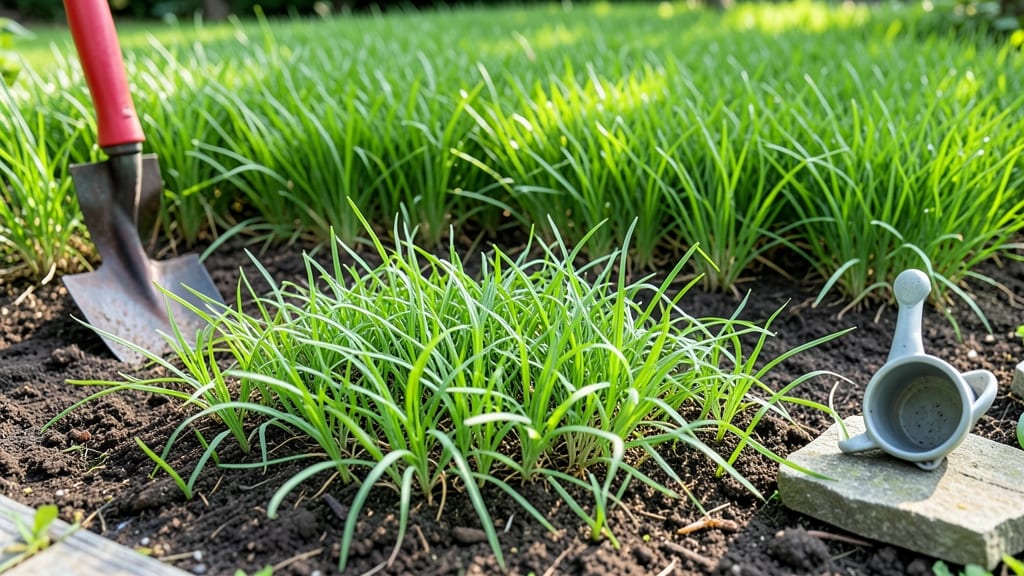
Your lawn can go from patchy to lush using Dollar Tree grass seed—I’ve done it twice, and both times the neighbors asked for my secret. 🌱 The key isn’t the seed itself (it’s basic, not premium), but how you prep the soil, time the planting, and keep moisture consistent.
Most people rush this step, and that’s why their lawns look like a science experiment gone wrong.
Start with a $1 bag of seed and a few cheap supplies: a rake, compost, and a sprinkler (or even a hose with a gentle spray).
You’ll spend under $20 total for a full lawn overhaul, and the results appear faster than you’d expect—3 weeks of proper care turns brown spots into vibrant green. The trick is patience and the right technique, not fancy seed blends.
By the end, you’ll have a lawn that stays green through summer droughts and recovers from foot traffic better than before. The grass won’t be as thick as a golf course, but it’ll be dense enough to crowd out weeds and soft enough for barefoot strolling.
Plus, you’ll save enough to buy a fancy coffee every month instead of lawn treatments.
Works for small patches, full yards, or even container grass—just adjust watering and seed amounts. Here’s how to make it happen without breaking the bank or your back.
📚 In This Guide
- What you need
- Instructions
- Tips and common mistakes
- Wrapping up and next steps
What you need
- ● Dollar Tree Grass Seed – 1-2 lbs (choose a mix like Kentucky Bluegrass or Fescue for durability and affordability).
- ● Lawn Rake – A bendable-tine rake (for aerating and smoothing soil).
- ● Garden Hoe or Broadfork – To loosen compacted soil 2-3 inches deep.
- ○ Lawn Roller (optional but helpful) – A lightweight 5-10 gallon roller to press seeds into soil.
- ● Water Hose with Adjustable Nozzle – A fine mist setting for gentle watering.
- ● Compost or Peat Moss – 1-2 bags (to improve soil fertility and moisture retention).
- ● Organic Starter Fertilizer – A low-nitrogen blend (5-10-10 ratio) to kickstart growth.
- ○ Mulching Fabric (optional) – Biodegradable netting to protect seeds from birds and erosion.
- ● Seed Spreader – For even distribution (handheld or push-style).
- ● Soil Test Kit – To check pH and nutrient levels before planting.
- ● Lawn Weed Killer (Pre-Emergent) – Apply 1-2 weeks before seeding to prevent weeds.
- ● Knee Pads or Gardening Kneeler – For comfort during prep work.
- ● Timer or Smart Sprinkler – To automate watering schedules.
Step-by-Step instructions for reviving your lawn with affordable grass seed
Here’s how to transform patchy grass into a lush lawn—without breaking the bank.
🌱 Step 1: Prep the Soil for Seeds to Take Root
Start by raking out dead grass and debris until the soil looks smooth and even. You’ll want to expose the bare earth where seeds will land—this helps them make direct contact with the soil for faster germination. Use a stiff-bristled rake to loosen the top ½ inch of soil, breaking up any compacted layers. This step is critical because seeds need good soil contact to sprout.
If your lawn has bare spots larger than 6 inches, lightly scratch the soil with a garden fork to aerate. For tougher areas, mix in ¼ inch of compost or a thin layer of topsoil to give seeds the nutrients they need. Avoid heavy tilling—you just want to loosen the surface, not turn the soil over completely.
💧 Step 2: Scatter Seeds Evenly and Lightly Cover
Spread the Dollar Tree grass seed by hand or with a broadcast spreader, working in small sections to avoid overlapping. Aim for a coverage rate of about 5-8 pounds per 1,000 square feet—this ensures seeds are close enough to germinate uniformly without crowding. Lightly rake the area again to press seeds into the soil, but don’t bury them deeper than ¼ inch. Too much coverage will smother seedlings.
Here’s the thing—don’t overdo it. A light layer of seed is all you need. After scattering, gently water the area until the soil feels damp ½ inch deep. This keeps seeds moist but not soggy, which prevents them from drying out before they sprout. Water lightly twice daily (morning and evening) for the first 5-7 days to maintain consistent moisture.
☀️ Step 3: Water Consistently Until Grass Establishes
Once seeds germinate—usually within 7-14 days—switch to deeper watering 2-3 times per week. You’ll know it’s time when you see tiny green blades pop through the soil. Water deeply enough to moisten the soil 2-3 inches down, which encourages roots to grow strong. Avoid shallow watering, as it leads to weak, shallow root systems that dry out quickly.
Keep the lawn moist but not waterlogged. If the top ½ inch of soil feels dry, it’s time to water again. After 3-4 weeks, when grass reaches 2-3 inches tall, you can gradually reduce watering to 1 inch per week. This helps the grass transition to regular lawn care without shock.
✂️ Step 4: Maintain and Protect New Growth
Once your new grass reaches 3-4 inches tall, it’s time for the first mow. Set your mower blade to 3 inches to avoid cutting too much at once—this prevents stressing the young plants. Mow when the grass is dry to avoid clumping, and never remove more than ⅓ of the blade height in one session. This keeps the lawn thick and resilient.
Watch for weeds creeping in during the first few weeks. Pull them by hand when they’re small to avoid disturbing the new grass. If you notice brown patches, it could mean uneven watering or soil compaction. Lightly aerate again if needed, and keep watering consistently until the lawn fills in completely.
Tips & tricks for perfect lawn revival with budget grass seed
Transforming patchy lawns into lush carpets doesn't have to be complicated—just strategic. Here's what I've learned from turning bare spots into vibrant grass using affordable seed.
Soil Prep is Everything: In Step 1, focus on breaking up just the top ½ inch of soil—this is all your seeds need to make contact. I've seen people over-till, which actually brings up weeds and can bury seeds too deep. Use a stiff-bristled rake to create a fine, crumbly texture that holds seeds gently. For tougher areas, that ¼ inch of compost you mix in shouldn't be packed down—just sprinkle and lightly rake to blend.
Seed Scattering Technique: When you're spreading those 5-8 pounds per 1,000 square feet in Step 2, work in small sections no bigger than 5x5 feet. This prevents overlapping and ensures even coverage. I like to use a push broom to lightly sweep seeds into the soil after scattering—it gives them just enough pressure to stay in place without burying them. And here's the thing about that ¼ inch depth: if you bury seeds deeper, they'll struggle to push through the soil and may rot before sprouting.
Watering Wisdom: The first 5-7 days are critical for those twice-daily light waterings in Step 2. I set a timer on my sprinkler for 10 minutes each time—just enough to dampen the top ½ inch without creating puddles. After germination, when you switch to deeper watering in Step 3, use the "sponge test": if a handful of soil crumbles when squeezed, you're at the right moisture level. The goal is to encourage roots to grow deep, not just stay at the surface.
Mowing Made Easy: That first mow in Step 4 is a big moment—don't rush it. Wait until you can see the lawn blade clearly at 3-4 inches tall, then set your mower to 3 inches. I've learned the hard way that cutting too soon stresses young grass. And here's a pro move: after mowing, leave the clippings on the lawn. They'll decompose and return nutrients to the soil, giving your new grass an extra boost.
Pro Tips for Dollar Tree Grass Seed
- Transforming patchy lawns into lush carpets doesn't have to be complicated—just strategic.
- Soil Prep is Everything: In Step 1, focus on breaking up just the top ½ inch of soil—this is all your seeds need to make contact.
- Seed Scattering Technique: When you're spreading those 5-8 pounds per 1,000 square feet in Step 2, work in small sections no bigger than 5x5 feet.
Frequently asked questions
Is Dollar Tree grass seed really worth it for lawn repair?
While it’s budget-friendly, Dollar Tree grass seed blends (like Scotts Turf Builder or Pennington) offer decent quality for patchy lawns or small areas. For large yards, consider mixing with higher-end seed for better coverage and durability. Pro tip: Check the seed mix’s sun/shade tolerance to match your lawn’s needs!
How long does it take for Dollar Tree grass seed to germinate?
Germination time varies by type, but most Dollar Tree grass seed blends sprout in 7–21 days. Cool-season grasses (like fescue) germinate faster (5–10 days) in spring/fall, while warm-season (like Bermuda) take 14–21 days in summer. Keep soil moist and patient—consistency is key!
Can I use Dollar Tree grass seed for a full lawn overhaul?
For small lawns (<500 sq ft), it’s a great starter! But for full overhauls, buy in bulk (e.g., 10–25 lbs) to avoid multiple trips. Mix with compost or topsoil for better root growth. Alternative: Split costs with neighbors or buy discounted seed online (check Home Depot’s clearance section!).
What’s the best way to water Dollar Tree grass seed?
Water lightly 2x daily (morning/evening) for the first 2 weeks to keep soil damp (not soggy). Once sprouted, water deeply 1–2x/week. Avoid overhead sprinklers—they wash seeds away. Troubleshooting: If seed dries out, rewater immediately and add a light mulch layer (straw, not hay) to retain moisture.
Will Dollar Tree grass seed attract pests or weeds?
Cheap seed may contain more weed seeds, but pre-emergent herbicides (like corn gluten) can help. For pests, keep soil moist (drought stress attracts grubs) and aerate annually. Prevention tip: Choose certified weed-free blends if available, or hand-pull weeds before seeding.
Can I mix Dollar Tree grass seed with other types for better results?
Yes! Boost durability by blending with high-quality seed (e.g., 50% Dollar Tree + 50% tall fescue). This balances cost and performance. Example: Use Dollar Tree for sunny patches and pricier seed for shady areas. Just ensure all seed types have similar germination rates!
Wrapping up and next steps
Transforming your lawn into a lush, green paradise doesn’t have to break the bank—Dollar Tree grass seed proves that great results start with smart choices! 🌱 Whether you’re patching bare spots or reviving an entire yard, this budget-friendly solution delivers fast, satisfying growth in just three weeks.
With the right prep, seed selection, and care, your lawn will be the envy of the neighborhood without draining your wallet.
Ready to take the next step? Grab your supplies, roll up your sleeves, and watch your lawn flourish! 🌿 Start small—even a single patch can make a big difference—and soon, you’ll be enjoying a vibrant outdoor space year-round.