
Propagation
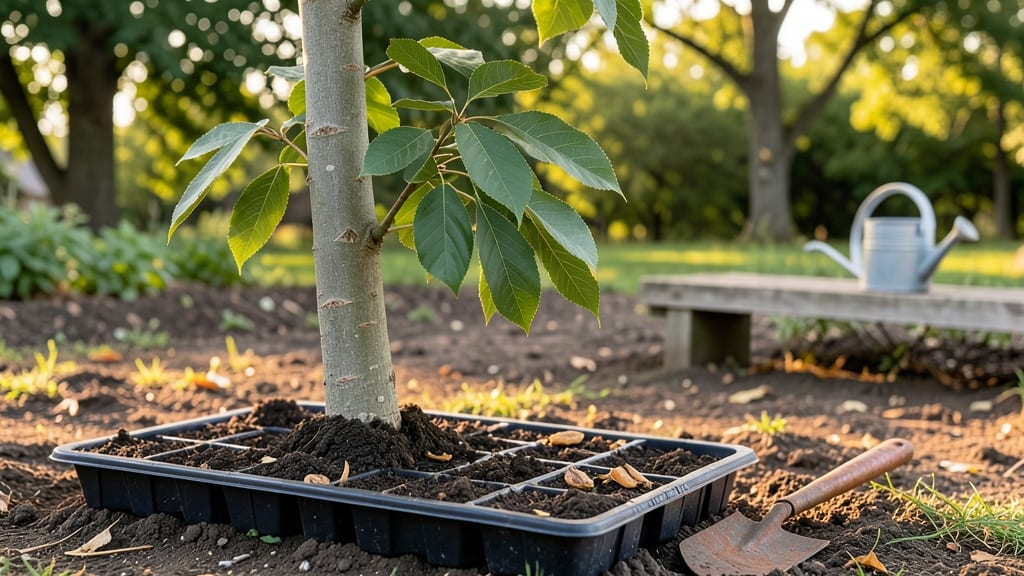
Growing a pecan tree from seed is a patient gardener's dream—five years from now, you could be harvesting your own nuts from a tree you nurtured from scratch. 🌱 The process starts with a single seed, but the payoff is worth every season of waiting.
My first attempt took three years just to see real growth, but once those first leaves unfurled, I was hooked.
The key to success lies in stratification—mimicking winter's cold to break dormancy—and giving seedlings the right mix of sunlight and moisture. You'll need a warm spot for germination, followed by a sunny outdoor location as they mature.
Most gardeners quit after the first year when growth is slow, but that's when persistence pays off.
By year five, you'll have a tree capable of producing pecans, though full maturity takes longer. The nuts won't be as plentiful as store-bought, but the satisfaction of growing your own—from that first sprout to cracking open your harvest—is unmatched.
Here's how to make it happen without losing hope along the way.
This method works best in USDA Zones 6-9, where pecans thrive. If you're in a cooler climate, expect slower growth, but the principles remain the same. The real magic happens in the soil, where roots spread deep and strong—just like the patience you'll need to cultivate.
📚 In This Guide
- What you need
- Instructions
- Tips and common mistakes
- Wrapping up and next steps
What you need
- ● Fresh pecan seeds: 3–5 mature, plump pecans (harvested in fall, not store-bought). Choose from varieties like Shawnee or Desirable for better success.
- ● Well-draining potting mix: 1–2 gallons of a blend like 50% peat moss, 30% perlite, and 20% sand (sterilized to prevent mold).
- ● Small pots or seed trays: 4–6 3–4 inch diameter pots with drainage holes (or a seed tray with individual cells).
- ● Plastic wrap or humidity dome: To maintain moisture during germination.
- ● Spray bottle: For gentle watering (avoid over-saturating seeds).
- ● Grow lights or sunny windowsill: A south-facing window or LED grow light (12+ hours/day) for seedlings.
- ● Fertilizer: A balanced, water-soluble 10-10-10 fertilizer (diluted to half-strength) for young trees.
- ● Pruning shears: Small, sharp pair for trimming seedlings (sterilize with rubbing alcohol).
- ● Outdoor space: A sunny, sheltered spot (Zone 6–9) with 6+ feet of vertical space for mature trees.
- ● Seed stratification kit: For cold-moist treatment (if seeds aren’t pre-stratified).
- ● pH testing kit: To ensure soil pH is 6.0–7.0 (pecans prefer slightly acidic soil).
- ● Mulch (pine bark or straw): To retain moisture and regulate soil temperature.
- ● Tree collar protector: A plastic guard to shield the trunk from pests/weather.
- ● Grafting tools: If you plan to graft a named variety onto your seedling later (advanced!).
Step-by-step guide to growing a pecan tree from seed
Here's how I've turned tiny seeds into sturdy saplings ready for planting.
🌱 Step 1: Cold Stratify the Seeds for 3 Months
Collect fresh pecan seeds in fall after they've fallen naturally. Remove any remaining husk but leave the shell intact. Place them in a breathable bag with slightly damp peat moss and refrigerate at 35-40°F for 90 days. This mimics winter conditions and breaks seed dormancy.
Check the bag monthly—if the moss dries out, mist it lightly. You'll know stratification worked when the shell starts to crack slightly. Here's the thing—don't rush this step. Patience now means faster germination later.
💧 Step 2: Plant in a Warm, Moist Growing Medium
After stratification, plant each seed 1 inch deep in a 4-inch diameter pot filled with a mix of 50% potting soil and 50% perlite. I use separate pots for each seed to prevent root competition. Water thoroughly until moisture runs from the drainage hole.
Place the pots in a warm spot with 70-75°F soil temperature. A seedling heat mat helps maintain consistent warmth. Keep the soil evenly moist—never soggy. You'll see the first sprouts in 4-8 weeks, but don't be surprised if some seeds take longer.
☀️ Step 3: Provide Bright, Indirect Light for Seedlings
Once sprouts emerge, move seedlings to a location with bright, indirect light. A south-facing window works well, but avoid harsh afternoon sun. Rotate pots weekly so seedlings grow straight rather than leaning toward the light.
After 3 months, when seedlings reach 6 inches tall, gradually introduce them to morning sun only. You'll notice new leaves developing with a deeper green color—this means they're adapting to stronger light. Harden off completely before transplanting outdoors.
🪴 Step 4: Transplant to a Permanent Location
Choose a permanent spot with full sun and well-draining soil. Pecan trees need space—plant saplings 50 feet apart in mature orchards, but you can start with 20 feet between young trees. Dig a hole twice as wide as the root ball but only as deep.
Backfill with native soil mixed with compost, firming gently around the roots. Water deeply to settle the soil. Mulch with 2 inches of wood chips, keeping it 6 inches away from the trunk. This protects roots from temperature swings and retains moisture.
✂️ Step 5: Prune and Fertilize for Strong Growth
In the first year, prune only to remove dead or crossing branches. Use clean, sharp pruners to make cuts just above a leaf node. Avoid heavy pruning—you're shaping the tree's structure, not reducing size.
Apply a balanced 10-10-10 fertilizer in early spring and again after new growth appears. Water deeply once weekly during dry spells, aiming for 1 inch of water per week. You'll see vigorous growth in the second and third years—this is when the tree's root system really expands.
Tips & tricks for perfect pecan tree growth
Growing a pecan tree from seed takes real patience—but these tips will help you avoid common pitfalls and give your saplings the best start possible.
Cold Stratification Secret: The 90-day cold stratification at 35-40°F is non-negotiable for breaking dormancy. I've tried skipping this step, and the seeds just sit there—no matter how much I water them. Use a refrigerator's crisper drawer for consistent temperatures. If you don't have peat moss, a mix of damp vermiculite works just as well. The key is keeping that moisture level steady—like a well-tended sponge, not a dripping wet rag.
Pot Selection Matters: While the instructions call for 4-inch diameter pots, I recommend using slightly larger pots (5-6 inches) if you have them. The extra room gives roots more space to establish before transplanting. Just make sure they have drainage holes—pecan seedlings hate soggy feet. And here's a pro move: Label each pot with the planting date so you don't lose track of which seeds you started when.
Light Transition Strategy: When you're ready to move seedlings to morning sun after 3 months (Step 3), do it gradually over 7-10 days. I start with just 15 minutes of morning sun, then add 15 minutes each day. This prevents sunburn on tender new leaves. You'll know you're doing it right when you see that beautiful deep green color developing—it's like watching chlorophyll work its magic in real time.
Transplanting Timing: The best time to transplant your 6-inch saplings is during their dormant season—late fall or early spring. If you must transplant in summer, do it on a cloudy day or in the late afternoon to reduce stress. I've found that adding a handful of mycorrhizal fungi to the planting hole helps roots establish faster in their new home. It's like giving them a friendly neighborhood to settle into.
Pro Tips for Pecan Tree From Seed
- Growing a pecan tree from seed takes real patience—but these tips will help you avoid common pitfalls and give your saplings the best start possible.
- Cold Stratification Secret: The 90-day cold stratification at 35-40°F is non-negotiable for breaking dormancy.
- Pot Selection Matters: While the instructions call for 4-inch diameter pots, I recommend using slightly larger pots (5-6 inches) if you have them.
Frequently asked questions
Got questions about growing a pecan tree from seed? You're not alone! Here are some of the most common queries—and their answers—to help you navigate the process with confidence.
How long does it take for a pecan seed to sprout?
A pecan seed typically sprouts within 4 to 12 weeks after planting, depending on soil temperature and moisture. Keep the soil consistently moist (but not soggy) and warm (around 70–80°F) to encourage faster germination. Patience is key—some seeds may take longer, especially if they’re older or stored improperly.
Can I grow a pecan tree from any pecan nut I buy at the store?
Not all store-bought pecans are viable for growing. Look for plump, undamaged nuts with a thick shell—these are more likely to sprout. Avoid pecans that have been roasted, salted, or treated with preservatives, as these can inhibit germination. If unsure, try a few nuts to test their viability!
How many years until my pecan tree produces nuts?
Pecan trees grown from seed are slow to bear fruit—expect nuts in 10 to 15 years, not the 5-year estimate in the title (which applies to grafted trees). Seed-grown trees may also produce lower-quality nuts. For faster results, consider grafting a scion onto your seedling later.
What’s the best climate for growing pecan trees from seed?
Pecan trees thrive in USDA Zones 6–9, where they get hot summers (80°F+) and mild winters. They need full sun (6+ hours daily) and well-draining soil. If you’re in a cooler climate, start seeds indoors and transplant seedlings outdoors only after the last frost—pecans are sensitive to cold snaps!
Why isn’t my pecan seed sprouting? Troubleshooting tips.
If your seed isn’t sprouting, check these common issues:
- Improper stratification: Pecan seeds need 60–90 days of cold, moist conditions (mimic winter) before planting. Skip this step, and germination drops dramatically.
- Old or damaged seeds: Freshness matters! Use nuts from the current year (if possible) or store them in a cool, dry place.
- Poor soil conditions: Ensure your soil is well-draining, slightly acidic (pH 6.0–7.0), and free of pests like rodents (they love pecan seeds!).
- Over/under-watering: Keep soil moist but not waterlogged—drought or rot can kill seeds.
Still stuck? Try soaking the seed in lukewarm water for 24 hours before planting to soften the shell.
Wrapping up and next steps
Growing a pecan tree from seed is a rewarding journey that blends patience with nature’s generosity.
While it takes dedication—especially with the 5-year wait for your first harvest—every step, from seed selection to nurturing saplings, is a chance to connect with the land. You’ve got this! Now, take that first seedling and plant it with confidence—your future orchard starts with a single nut.
Next steps:
- 🌱 Start small: Grow 2-3 seedlings to increase your chances of success.
- 📅 Mark your calendar: Note key milestones (e.g., transplanting, pruning seasons).
- 🌳 Dream big: Research grafting or pollination tips as your trees mature!