
Pruning
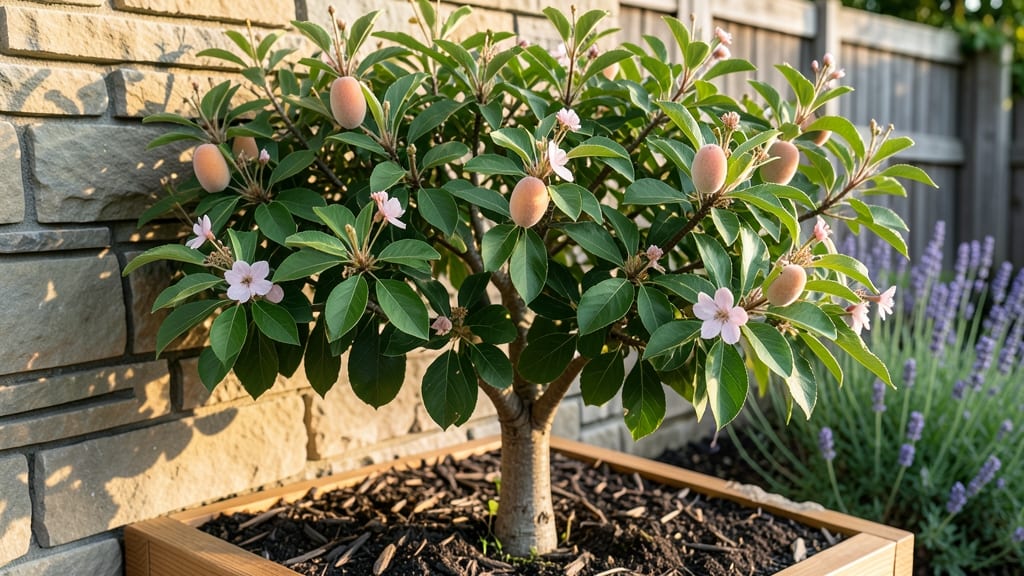
Your peach tree’s flat, stunted shape isn’t a death sentence—it’s a cry for help. 🌿 Whether it’s from last winter’s heavy fruit load, poor soil, or too much pruning, spring is your chance to restore balance and set it up for a bountiful season.
The key lies in understanding what’s holding it back: weak branches, nutrient gaps, or even hidden pests.
Start by examining the tree’s structure. Look for thin, spindly branches or leaves with yellowing edges—both telltale signs of stress. A foolproof first step is pruning to open the canopy, letting sunlight reach the center.
Combine this with a balanced fertilizer (high in nitrogen for new growth, potassium for fruit) and watch those branches thicken within weeks.
With the right cuts and care, your peach tree will transform from flat to full, bearing juicy, plump fruit by summer. The secret? Pruning at the right time—now, before buds swell—and avoiding overzealous trimming. You’ll see stronger limbs, better airflow, and a tree that finally lives up to its potential.
This method works for any outdoor peach tree, from young saplings to mature varieties. Once you’ve revived the structure, focus on soil health and seasonal maintenance to keep it thriving year after year. Let’s get those branches reaching for the sky!
📚 In This Guide
- What you need
- Instructions
- Tips and common mistakes
- Wrapping up and next steps
What you need
- ● Pruning shears – Bypass pruners (for clean cuts on branches ≤½ inch thick). Quantity: 1 pair.
- ● Loppers – For thicker branches (½ to 1½ inches). Quantity: 1 pair.
- ● Pruning saw – For branches >1½ inches. Quantity: 1.
- ● Garden gloves – Heavy-duty, cut-resistant. Quantity: 1 pair.
- ● Disinfectant (70% rubbing alcohol or bleach solution) – To sterilize tools between cuts.
- ● Rag or paper towels – For wiping tools.
- ○ 5-in-1 pruning tool – (Optional but handy for small jobs).
- ● Safety goggles – To protect eyes from debris.
- ● Long sleeves/pants – For protection against thorns.
- ● Trash bags or bucket – For collecting pruned branches.
- ○ Sharpie or marker – (Optional) For labeling branches if grafting later.
- ● Weather check – Prune on a dry, cloudy day (avoid frost or extreme heat).
- ● Tree health assessment – Inspect for disease or pests before pruning.
- ● Sunny workspace – Ensure good lighting to spot hidden issues.
How to prune a flat peach tree for better fruit production
Spring is the perfect time to shape your flat peach tree—this is how I transform tangled branches into a productive, airy canopy.
✂️ Step 1: Remove Dead, Diseased, or Crossed Branches First
Start by inspecting the tree for branches that are dead (brown, brittle), diseased (black spots, oozing sap), or crossing each other. These compete for energy and block sunlight from reaching inner fruit. Cut these out completely at their point of origin—don’t leave stubs, as they invite rot.
Use clean, sharp pruning shears to make cuts at a 45-degree angle just outside the branch collar (the swollen area where the branch meets the trunk). If a branch is thicker than your shears can handle, use a pruning saw. Real talk: I’ve made the mistake of leaving stubs, and within a year, those spots became infection hotspots.
🌿 Step 2: Thin Out Overcrowded Branches for Airflow
Peach trees produce best when sunlight and air circulate freely. Look for branches growing too close together—these shade inner fruit and trap moisture, leading to fungal issues. Remove one out of every three branches in dense clusters, prioritizing those growing inward or downward.
Focus on the scaffold branches (the main structural limbs). Aim to space them 8–12 inches apart along the trunk. You’ll see the difference immediately: sunlight will hit the center of the tree, and fruit will develop more evenly. If you’re unsure which to cut, ask yourself: Does this branch contribute to the tree’s structure or fruit load? If not, it goes.
☀️ Step 3: Shape the Canopy for Even Sun Exposure
Flat peach trees often grow wider than tall, so your goal is to create a balanced, open shape. Start by identifying the central leader (the main upward-growing branch) and ensure it’s dominant. Remove any competing vertical shoots that could split the trunk later.
Next, prune to open the center of the tree by cutting back branches that angle inward. Aim for a vase-like shape with branches spreading outward. Here’s the thing—peaches ripen best on sun-exposed branches, so don’t be shy about thinning. After pruning, step back and visualize sunlight hitting every part of the canopy.
⏰ Step 4: Prune for Fruit Production (When and How)
Timing matters: prune just as buds swell but before leaves emerge (late winter to early spring). This ensures the tree directs energy into new growth, not healing wounds. Avoid pruning in fall, as late cuts stimulate tender growth that won’t harden off before winter.
For fruit production, focus on last year’s growth. Cut back one-third of the oldest branches each year to encourage new, vigorous wood. You’ll know you’ve done it right when you see plump, red buds along the branches—these are your future fruit. If you see too many buds clustered in one spot, thin them out to prevent overcrowded fruit that won’t ripen evenly.
Tips & tricks for perfect flat peach tree pruning
Transforming your flat peach tree into a fruit-bearing powerhouse takes precision—here’s how to avoid common pitfalls and maximize your harvest.
Tool Prep is Non-Negotiable: Sterilize your pruning tools with rubbing alcohol or a bleach solution before you start. I learned this the hard way after transferring fungal spores from one cut to another. Sharp tools make cleaner cuts that heal faster, so take 5 minutes to sharpen your shears or saw if they feel dull. The 45-degree angle in Step 1 becomes much easier with a sharp blade—you’ll see the difference immediately in how cleanly the branch separates.
Visualize the Sunlight: Before making any cuts in Step 3, stand back and look at your tree from multiple angles. Imagine sunlight streaming through the branches—this is your guiding principle. I often sketch a quick outline of the tree’s future shape on paper first. The goal is to create a "vase-like shape" where sunlight can reach the center. Don’t be afraid to remove branches that seem "useful" but actually block light from reaching inner fruit—those branches are stealing energy from your harvest.
Bud Count Matters: In Step 4, when you’re focusing on last year’s growth, count the buds along each branch. Aim for no more than 8-12 buds per foot of branch length—this prevents overcrowded fruit that won’t ripen properly. I mark my branches with a piece of twine at the 12-inch mark to help visualize this spacing. Too many buds mean small, underdeveloped peaches, while properly spaced buds produce larger, juicier fruit that ripens evenly.
Timing is Everything: The window for pruning in late winter to early spring is narrow—buds should be swollen but leaves shouldn’t have emerged yet. If you miss this window, you risk stimulating new growth that won’t harden off before winter. I set a calendar reminder for early February in my climate zone (Zone 7) and check daily. If you’re unsure, do the "finger test": gently press a bud—if it’s firm but yields slightly, it’s ready. If it’s still hard, wait a few days.
Pro Tips for Flat Peach Tree
- Transforming your flat peach tree into a fruit-bearing powerhouse takes precision—here’s how to avoid common pitfalls and maximize your harvest.
- Tool Prep is Non-Negotiable: Sterilize your pruning tools with rubbing alcohol or a bleach solution before you start.
- Visualize the Sunlight: Before making any cuts in Step 3, stand back and look at your tree from multiple angles.
Frequently asked questions
Got questions about reviving your flat peach tree with pruning? You’re not alone! Here are some of the most common concerns—and straightforward answers—to help you tackle springtime pruning like a pro.
Why is my peach tree growing flat instead of upright?
A peach tree may flatten due to overcrowded branches, poor sunlight exposure, or weak structural support. Pruning in late winter/early spring (before buds swell) helps restore balance by removing competing limbs and encouraging vertical growth. Focus on removing water sprouts and thinning dense areas.
When is the best time to prune a flat peach tree for fruit production?
Prune your peach tree dormant season—ideally in late winter or early spring (just before buds break). Avoid pruning in fall, as it risks disease and weakens the tree. Spring pruning promotes airflow, reduces disease risk, and sets the stage for a heavy fruit load later.
How much should I cut back a flat peach tree to encourage new growth?
Start with 20-30% of the tree’s total volume if it’s severely flat. Remove dead, crossing, or inward-growing branches first. For structural limbs, cut back to a bud or lateral branch at a 45° angle. Never remove more than 1/3 of the canopy in one season to avoid stress.
Will pruning a flat peach tree improve fruit quality and yield?
Pruning increases sunlight penetration and airflow, which reduces disease (like brown rot) and improves fruit size/quality. Thinning dense branches also shifts energy from leaf growth to fruit production. Expect larger, sweeter peaches with proper pruning and care!
What if my peach tree still looks flat after pruning?
If your tree remains flat, check for root issues or nutrient deficiencies (like nitrogen). Consider staking young trees or using tree ties to guide growth upward. For stubborn cases, consult a local arborist—they can assess if cultural practices (like mulching or fertilization) are needed.
Wrapping up and next steps
Pruning your flat peach tree in spring isn’t just about shaping—it’s about unlocking its full potential for juicy, abundant harvests while keeping it healthy and strong.
With the right tools, timing, and technique, you’ve got everything you need to revive your tree and set it up for a season of success. 🌱
Now’s the perfect time to roll up your sleeves and give your tree the care it deserves. Next up: Grab those pruners, step outside, and watch your peach tree thrive—one strategic cut at a time! 🍑✂️