
Pruning
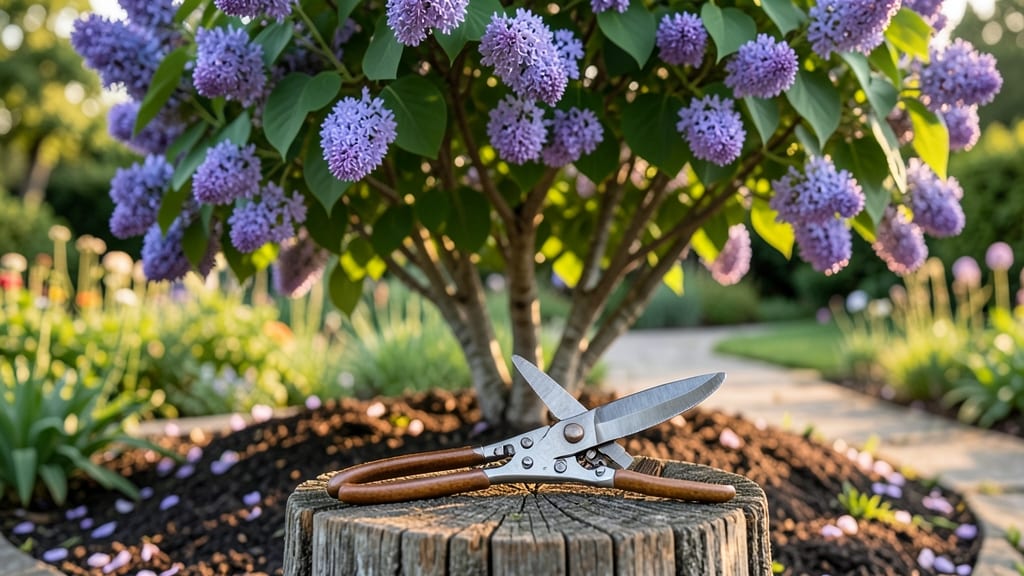
Trimming lilac trees in late spring isn’t just about shaping—it’s about unlocking next year’s fragrance and fuller blooms. I’ve learned the hard way that cutting at the wrong time means sacrificing those iconic purple clouds of flowers. The secret lies in timing, technique, and a few sharp tools.
You’ll need clean pruning shears, hand pruners, and a ladder (for taller trees), plus a sharp saw for thicker branches. Work on a dry morning when the branches are easier to handle, and always sanitize your tools with rubbing alcohol to prevent disease spread.
Most lilacs bloom on old wood, so wait until right after flowering—usually May or June—before making a single cut.
Start by removing dead, crossing, or crowded branches first, cutting just above a bud or outward-facing leaf. Then thin out the center to improve airflow, which keeps pests away. You’ll see thicker stems and more abundant blooms next spring if you prune correctly—no more sparse, leggy bushes.
Common mistakes? Pruning too late (you’ll lose next year’s flowers) or cutting into old wood (those branches won’t regrow). Lilacs are forgiving, but they reward patience. With these steps, your tree will thrive for decades—just like mine has.
📚 In This Guide
- What you need
- Instructions
- Tips and common mistakes
- Wrapping up and next steps
What you need
- ● Pruning shears: Bypass pruners (for small branches, 3–6 inches thick). Pro tip: Choose sharp, bypass-style shears for clean cuts. 🔪
- ● Loppers: 1 pair (for thicker branches, ½–2 inches). Opt for ratcheting or bypass types.
- ● Pruning saw: 1 (for branches >2 inches thick). A curved-tooth saw prevents tear-out.
- ● Gloves: Heavy-duty, cut-resistant (e.g., gardening or mechanic’s gloves).
- ● Disinfectant: 70% rubbing alcohol or bleach solution (1 part bleach to 9 parts water) to sterilize tools between cuts.
- ○ Ladder (optional): Extendable or step ladder (if lilacs exceed 6 feet). Safety first: Use a stable, 3-sided ladder.
- ● Trash bags: 2–3 heavy-duty bags (for debris). Bonus: Use biodegradable bags if composting.
- ● Rake or broom: 1 (to clean up fallen branches and leaves).
- ● Hand saw: For stubborn, larger branches.
- ● Pruning sealant: (e.g., Tanglefoot Tree Wound Pruning Seal) to coat cuts >½ inch thick.
- ● Work boots: With ankle support (for stability on uneven ground).
- ● Sunscreen & hat: If trimming on a sunny day! ☀️
How to trim lilac trees for healthy, abundant blooms
Here’s the straightforward method I’ve used for years to keep lilacs thriving—and blooming like crazy—without stressing the plant.
Time Your Trim Precisely After Flowering
Wait until after your lilacs finish blooming but before new growth hardens into wood—typically late spring to early summer. This timing ensures you don’t cut off next year’s flower buds, which form on last year’s growth. If you prune too early, you risk sacrificing blooms; too late, and you encourage weak, leggy growth.
Look for spent flower clusters to turn brown and crispy—this is your cue. I often mark the date on my calendar after the last blooms fade, giving me a clear deadline. Avoid pruning in fall or winter, as lilacs need their energy reserves intact for spring’s big show.
Remove Dead, Diseased, or Crossing Branches First
Start by cutting out any dead, diseased, or damaged branches at the base with clean, sharp pruners. These branches drain energy and invite pests. Next, remove branches that cross or rub against others—this prevents future wounds and improves airflow, which keeps the tree healthy.
I like to step back every few cuts to visualize the tree’s structure. If a branch is thicker than 1/3 the diameter of the main trunk, make the cut just outside the branch collar (the swollen area where the branch meets the trunk). For smaller branches, a clean cut at a 45-degree angle just above a leaf node works best.
Thin Out Overcrowded Growth for Better Airflow
Lilacs naturally grow in dense clusters, but too many branches lead to weak blooms and poor airflow. Selectively remove 1/3 of the oldest wood—these are the thinner, less productive branches. Focus on branches that are smaller than a pencil and growing inward or downward.
Thinning isn’t about shearing or shaping; it’s about opening up the tree’s center. You’ll see a noticeable difference in how light and air move through the canopy. Avoid cutting back into old wood—this removes next year’s flower buds. If you’re unsure, err on the side of caution and leave a branch too long rather than too short.
Lightly Shape the Outer Canopy for Balance
For a natural, full look, lightly trim the outer edges of the tree to encourage bushier growth. Cut back the tips of branches that are growing too long or leggy, but never reduce a branch by more than 1/3 of its length. This prevents shock and maintains the tree’s strength.
Use your hand as a guide: if a branch is thicker than your wrist, avoid heavy pruning. Instead, focus on selective tip trimming to redirect energy toward denser foliage. Finish by cleaning up any small twigs or suckers at the base—they’ll only compete with your main blooms for resources.
Tips & tricks for perfect lilac tree trimming
Here’s what I’ve learned after years of perfecting my lilac trimming technique—details that make all the difference between a healthy tree and one that struggles to bloom.
Timing Secret: The late spring to early summer window is non-negotiable for lilacs. I’ve ruined bloom cycles by pruning too early—wait until those spent flower clusters turn completely brown and crispy. Mark your calendar after the last blooms fade to ensure you don’t miss this critical cue. Remember, lilacs form next year’s buds on this year’s growth, so timing is everything.
The Technique That Changed Everything: When removing branches in Step 2, always make your cuts just outside the branch collar—never flush with the trunk. I learned this the hard way when a poorly made cut led to infection. For branches thicker than your wrist, avoid any heavy pruning entirely. Instead, focus on selective trimming of smaller branches to maintain the tree’s strength while improving airflow through the canopy.
Branch Selection Tip: In Step 3, when thinning out overcrowded growth, focus on removing branches smaller than a pencil that are growing inward. These are the branches that compete with your main blooms for resources. I’ve found that removing just 1/3 of the oldest wood opens up the tree dramatically—you’ll notice how much better light and air circulate through the center immediately after.
Equipment Recommendation: Invest in a good pair of bypass pruners—they make clean cuts that heal faster than the jagged cuts from anvil pruners. And always sterilize your tools between cuts, especially when dealing with diseased branches. I keep a small bottle of rubbing alcohol handy to wipe down my pruners after each cut to prevent spreading any potential infections.
Pro Tips for Trimming Lilac Trees
- Here’s what I’ve learned after years of perfecting my lilac trimming technique—details that make all the difference between a healthy tree and one that struggles to bloom.
- Timing Secret: The late spring to early summer window is non-negotiable for lilacs.
- The Technique That Changed Everything: When removing branches in Step 2, always make your cuts just outside the branch collar—never flush with the trunk.
Frequently asked questions
Got questions about trimming your lilac trees? You’re not alone! Here are some of the most common queries—plus straightforward answers to keep your blooms happy and healthy.
When is the best time to trim lilac trees?
Prune lilacs right after they finish blooming in late spring (May or June). This timing ensures you don’t cut off next year’s flower buds, which form on last year’s growth. Avoid trimming in fall or winter—it can stimulate weak growth before dormancy.
How much can I trim my lilac tree?
For mature lilacs, trim back 1/3 of the previous year’s growth to encourage bushier blooms. Never cut into old wood—this removes next year’s flowers. Younger trees (under 3 years old) only need light shaping to maintain their form. Pro tip: Use clean, sharp shears to avoid jagged cuts!
What if I missed the spring trimming window?
Don’t panic! If you skipped spring, wait until late summer or early fall (August–September) for a light trim. Avoid heavy pruning then—it can stress the tree before winter. Focus on removing dead or crossing branches instead.
Why aren’t my lilacs blooming after trimming?
Lilacs bloom on old wood, so aggressive pruning (like cutting into last year’s stems) can reduce flowers. Stick to trimming only after blooms fade and avoid over-thinning. If blooms are sparse, check for pests (like borers) or poor soil drainage—both can stress the tree.
Can I shape my lilac into a tree instead of a bush?
Yes! To create a tree form, select one central leader (main stem) and remove lower branches. Thin out interior growth to improve airflow. Just remember: Lilacs naturally grow as multi-stemmed shrubs, so expect some bushy regrowth. Patience is key!
Wrapping up and next steps
Trimming your lilac trees in spring isn’t just about keeping them tidy—it’s about revitalizing their growth and ensuring those fragrant blooms return year after year! 🌸 With the right tools, timing, and techniques, you’ve got everything you need to give your lilacs the fresh start they deserve.
Now’s the perfect moment to roll up your sleeves and transform your yard into a blooming paradise.
Ready to take the next step? Grab your pruners, mark your calendar for early spring, and watch your lilacs thrive—your future blooms will thank you! 🌿