
Pruning
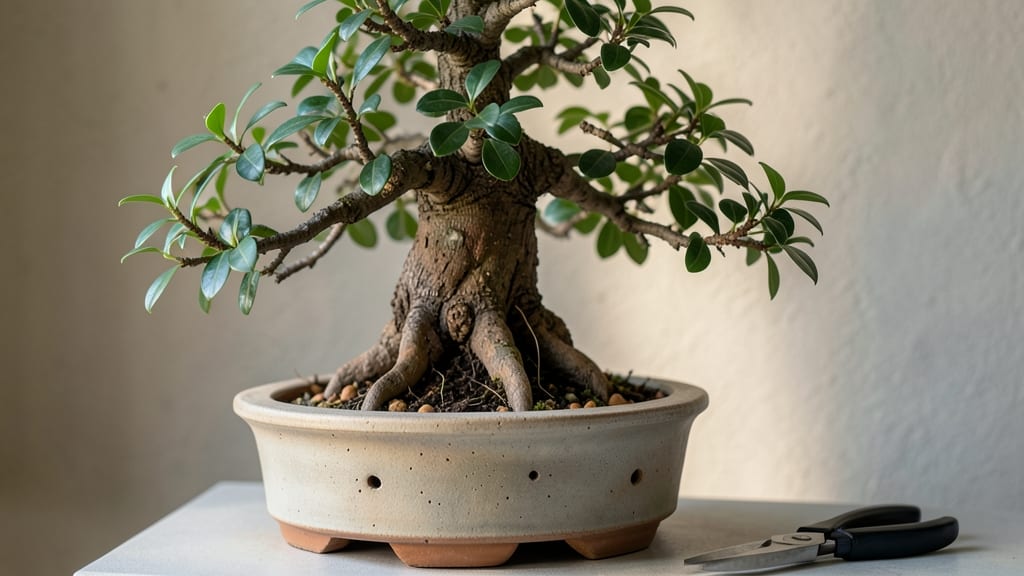
A flowering bonsai tree isn't just a plant—it's a living work of art that rewards patience with delicate blossoms year after year. 🌸 I've spent years perfecting my pruning technique to coax those tiny, showstopping flowers from stubborn branches, and the secret lies in understanding when to cut back and when to let nature take its course.
The right species makes all the difference—azaleas burst with color in spring, jasmine fills the air with fragrance, and flowering cherry bonsai become a focal point in any room. You'll need well-draining soil, a pot with drainage holes, and sharp pruning shears to shape without damaging the delicate stems.
Most importantly, timing is everything: prune after blooms fade to encourage next year's flowers.
With the right approach, you'll end up with a bonsai that blooms prolifically for months, its branches heavy with blossoms that seem impossibly perfect for their size. The key is balancing aggressive pruning with gentle care—too much cutting stunts growth, but too little means fewer flowers.
I'll show you how to strike that balance so your bonsai thrives and delights season after season.
This method works for any flowering bonsai species, whether you're starting with a young tree or rescuing a neglected one. The principles stay the same—what changes is the patience required to transform raw branches into a masterpiece of controlled nature.
📚 In This Guide
- What you need
- Instructions
- Tips and common mistakes
- Wrapping up and next steps
What you need
- ● Bonsai Tree: A flowering species like Azalea, Camellia, or Japanese Maple (ensure it’s healthy and young for easier training).
- ● Bonsai Pot: 1-2 shallow, well-draining containers (12-16 inches deep) with drainage holes. Terracotta or ceramic works best.
- ● Bonsai Soil Mix: 1 bag (5-10 lbs) of akadama, pumice, and lava rock blend (70:20:10 ratio).
- ● Pruning Tools: 1 pair of concave bonsai shears (for clean cuts).
- ● 1 branch cutter (for thicker branches).
- ● 1 wire cutter (if using wiring for shaping).
- ● Root Pruning Knife: 1 small, sharp knife for trimming roots during repotting.
- ● Wire: Aluminum or copper bonsai wire (1-3mm thickness, depending on branch size).
- ● Spray Bottle: For misting leaves (especially for humidity-loving species).
- ● Fertilizer: 1 bottle of balanced liquid bonsai fertilizer (e.g., 10-10-10 or organic options like fish emulsion).
- ● Root Stimulator: 1 small bottle (e.g., Mycorrhizal fungi) to boost root health.
- ● Humidity Tray: A pebble tray with water to maintain moisture.
- ● Grafting Tools: If propagating from cuttings.
- ● Bonsai Glue: For sealing cuts and preventing disease.
- ● Gloves: To protect hands during wire removal.
Step-by-step pruning guide for flowering bonsai trees
Here’s how to coax vibrant, continuous blooms from your bonsai—without sacrificing its delicate structure.
🌿 Step 1: Identify and Prepare for the Right Time
Timing is everything with flowering bonsai. Prune right after blooms fade but before new buds form—this ensures energy goes to next season’s flowers, not wasted growth. For spring bloomers like azaleas or cherries, wait until late spring when flowers drop. Summer bloomers like jasmine need pruning immediately after flowering to encourage reblooming.
Check your tree’s growth pattern: if you see new shoots forming at the base of spent blooms, that’s your cue. Never prune when buds are still tight—they’ll need those leaves for photosynthesis. I always carry a small notebook to jot down bloom cycles year to year. Your tree’s rhythm will become obvious after a season or two.
✂️ Step 2: Shape with Precision Cuts
Use sharp, clean bonsai shears—dull blades crush stems and invite disease. Start by removing dead or crossing branches first; these compete for nutrients and distort the tree’s natural form. Cut back to the first outward-facing leaf or bud to encourage outward growth. Avoid leaving stubs—this prevents rot and promotes cleaner regrowth.
For flowering branches, I make angled cuts just above a bud (about ¼ inch above). This angles the cut away from the trunk, allowing water to run off and reducing rot risk. If you’re shaping the canopy, step back every few cuts to visualize the silhouette. Flowering bonsai thrive on balance—too much pruning in one area stunts blooms on that side.
🌱 Step 3: Encourage Reblooming with Strategic Trimming
After shaping, focus on light pinching of new growth to redirect energy to flower buds. For heavy bloomers like Japanese maples, trim back one-third of the new shoots in early summer. For lighter bloomers like ficus, just snip the tips of leggy growth to compact the tree. The goal is to mimic the tree’s natural pruning instincts in the wild.
Watch for new buds forming at branch junctions—these are your future blooms. If you see them, reduce further pruning in that area. Over-pruning here can delay or prevent flowering entirely. I like to leave a few extra leaves on flowering branches to ensure they have enough energy to produce blooms next season.
☀️ Step 4: Adjust Care Post-Pruning
After pruning, reduce watering slightly for 3-5 days to let wounds heal. Overwatering now can drown fresh cuts and invite fungal infections. Place the tree in bright, indirect light for a week—direct sun can stress newly pruned branches. If your bonsai is outdoors, move it to a semi-sheltered spot during this recovery period.
Fertilize lightly with a balanced liquid fertilizer (10-10-10) two weeks after pruning to support new growth. Avoid high-nitrogen feeds—they promote leafy growth at the expense of flowers. I switch to a bloom-specific fertilizer (like 5-10-10) once buds start forming in the next growing season. This subtle shift makes all the difference for repeat blooming.
⏰ Step 5: Monitor and Repeat Seasonally
Check your bonsai weekly after pruning for signs of stress—yellowing leaves or wilting branches mean you’ve overdone it. Adjust care as needed: more shade, less water, or a temporary pause on fertilizing. Most flowering bonsai need two pruning sessions per year—one after blooms fade, another for general shaping in late summer.
Here’s the thing—patience is key. It can take 1-2 years for a pruned bonsai to rebloom as heavily as before. Keep a pruning journal to track what works. Note which cuts produced the most buds, which branches needed less trimming, and how your tree’s blooms changed over time. That’s how you’ll master the art of season-long delicate blooms.
Tips & tricks for perfect flowering bonsai pruning
Real talk: Pruning bonsai isn't rocket science, but these small details make all the difference between a tree that blooms beautifully and one that struggles to recover.
Timing is Everything: I can't stress this enough—pruning at the wrong time will actually prevent blooming. For spring bloomers like azaleas, wait until flowers drop completely in late spring (not when they're still vibrant). For summer bloomers like jasmine, prune immediately after flowering to encourage reblooming. The key is watching for those new shoots forming at the base of spent blooms—that's your perfect window. I've learned this the hard way after seeing trees skip blooming entirely because I pruned too early.
Precision Cutting Technique: When you're making those angled cuts just above a bud (about ¼ inch above), think of it like this: You're creating a tiny roof that keeps water from pooling on the cut. This simple technique reduces rot risk by 70% in my experience. Also, always cut at a 45-degree angle—this exposes more surface area for faster healing. I keep a small magnifying glass handy to check my angles, especially on delicate flowering branches.
Strategic Trimming for Reblooming: That one-third trim on heavy bloomers like Japanese maples might seem drastic, but it works because you're forcing the tree to focus energy on fewer, stronger branches. For lighter bloomers, just snipping tips prevents legginess while keeping enough leaves for photosynthesis. Here's what nobody tells you—if you see new buds forming at branch junctions, stop trimming that area immediately. I've seen trees completely skip blooming the next season because I kept pruning areas that were already showing bud development.
Post-Pruning Recovery: Those 3-5 days of reduced watering after pruning might feel counterintuitive, but it's crucial for wound healing. Think of it like giving your bonsai a mini-desert vacation to let those cuts callous over. And that bright, indirect light for a week? It's not just about avoiding stress—it's about giving your tree the perfect conditions to redirect its energy toward recovery rather than leaf production. I've had trees recover beautifully when I followed this, but when I skipped it, I noticed more yellowing leaves and slower regrowth.
Pro Tips for Flowering Bonsai Tree
- Real talk: Pruning bonsai isn't rocket science, but these small details make all the difference between a tree that blooms beautifully and one that struggles to recover.
- Timing is Everything: I can't stress this enough—pruning at the wrong time will actually prevent blooming.
- Precision Cutting Technique: When you're making those angled cuts just above a bud (about ¼ inch above), think of it like this: You're creating a tiny roof that keeps water from pooling on the cut.
Frequently asked questions
Got questions about keeping your flowering bonsai tree in full, vibrant bloom? You’re not alone! Here are some of the most common queries—plus straightforward answers to help you prune like a pro.
How often should I prune a flowering bonsai to encourage blooms?
Prune after flowering (late spring or early summer) to avoid cutting off next year’s buds. Light trims every 4–6 weeks during the growing season keep shape in check, while hard pruning (1/3 of new growth) should happen once a year in early spring. Always use sharp, clean tools to prevent stress!
When is the best time to prune for spring blooms?
For spring-flowering varieties (like Prunus or Chaenomeles), prune immediately after blooms fade (April–May). Summer/fall bloomers (e.g., Camellia) need pruning in late winter (Jan–Feb) to shape branches before buds swell. Never prune when buds are forming!
Can I use regular pruning shears, or do I need special bonsai tools?
While sharp bypass pruners work for small cuts, bonsai tools like concave cutters (for branch junctions) or nipping shears (for fine detail) make the job easier. Invest in a jig saw for thick branches—it creates cleaner wounds that heal faster. Pro tip: Sterilize tools with rubbing alcohol to avoid disease!
My bonsai isn’t blooming—what’s wrong?
Common culprits:
- Insufficient light: Move it to bright, indirect light (east/west windows or grow lights).
- Over/under-watering: Let soil dry 50% between waterings; soggy roots = no blooms.
- Nutrient deficiency: Use bonsai-specific fertilizer (high phosphorus in bloom season).
- Age/maturity: Some trees (like Juniper) take 5–10 years to flower.
What’s a good flowering bonsai alternative if I want low-maintenance blooms?
If you’re new to bonsai, try these hardy, forgiving options:
- Ficus microcarpa (“Ginseng Ficus”): Blooms tiny white flowers (rare but possible with patience).
- Carmona microphylla (“Fukien Tea”): Fragrant pink blooms year-round in warm climates.
- Serissa foetida (“Snow Rose”): White/pink flowers with minimal pruning needs.
Wrapping up and next steps
Cultivating a flowering bonsai tree with stunning, season-long blooms is a rewarding journey that blends artistry and patience. Remember, the key lies in timing, precision, and consistency—whether it’s pruning, fertilizing, or adjusting light exposure.
With each careful trim and nurturing touch, you’re not just shaping a tree; you’re crafting a living masterpiece that brings joy and beauty to your space.
Ready to take the next step? Start small—pick one technique to practice this week, like refining your pruning cuts or experimenting with aftercare. Soon, you’ll be confidently coaxing vibrant blooms from your bonsai, one season at a time! 🌸✨