
Pruning
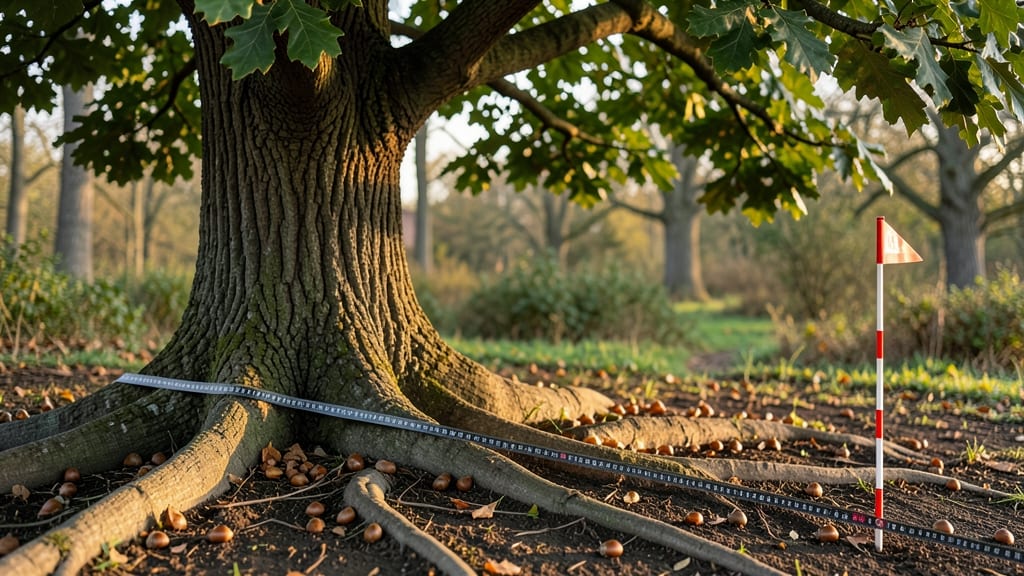
Tree roots can spread farther than you think—often 2-4 times the tree’s height—and that’s why your sidewalk or foundation might be at risk. 🌳 I’ve seen roots crack driveways and lift patios, all because the tree’s underground empire was ignored.
The problem isn’t just the size; it’s how aggressively roots seek water and nutrients, especially in dry soil or compacted ground.
Some trees, like willows or silver maples, send out suckering roots that spread 50+ feet from the trunk, while others, like Japanese maples, stay relatively tame. Soil type matters too—sandy soil lets roots spread wide and shallow, while clay holds them deeper but can cause heaving in freeze-thaw cycles.
Climate plays a role too: drought forces roots to stretch farther for moisture.
What you’ll learn here is how to plan for root spread before planting—where to place trees near structures, which species stay put, and how to protect sidewalks without stunting growth.
A little prep now saves big headaches (and repair bills) later. Let’s dig into the details that keep both trees and hardscapes happy.
We’ll cover real-world examples—like how a 30-foot-tall oak’s roots can extend 60 feet outward—and practical fixes, from root barriers to soil amendments. Whether you’re planting a shade tree or a fruit-bearing giant, spacing and soil prep are your secret weapons for harmony underground.
📚 In This Guide
- What you need
- Instructions
- Tips and common mistakes
- Wrapping up and next steps
What you need
- ● Measuring tape: 50-foot (or longer) retractable tape measure for accuracy (preferably fiberglass for durability).
- ● Shovel or spade: Heavy-duty digging tool (18–24 inches wide) for shallow root inspection.
- ● Garden hose with spray nozzle: For moistening soil and revealing root paths.
- ● Stakes and string: 12–18 wooden stakes (6–12 inches tall) + 50-foot string to map root zones.
- ● Notebook and pencil: For recording root depth, spread, and observations.
- ● Camera or smartphone: To document root patterns before/after digging.
- ● Protective gear: Gloves (heavy-duty, cut-resistant)
- ● Knee pads
- ● Safety goggles
- ● Root viewer or soil scope: Clear plastic tubes (12–18 inches long) to observe roots without digging.
- ● Moisture meter: To check soil hydration levels before digging.
- ● Root-safe dye (e.g., Phloxin B): Non-toxic red dye to trace root flow in water (for advanced users).
- ● Laser level: For marking precise root boundaries on slopes.
- ● Tree species guidebook: To compare your findings with known root behaviors.
Understanding tree root spread: how to measure and manage underground growth
Here's how to estimate root zones and protect your landscape—without guessing.
🌱 Step 1: Calculate the Root Spread Radius
Most tree roots spread 1.5 to 3 times the width of the tree's canopy at maturity. For example, a 20-foot-wide oak will have roots extending 30 to 60 feet outward. Measure the canopy's diameter first—this is your baseline. Young trees have smaller root zones, but they expand rapidly as the tree grows.
I always double-check by marking the tree's drip line (where leaves drop) with stakes. Then I draw a circle on the ground with a 3-foot radius beyond that line—this gives a conservative estimate of the root zone's edge. For shallow-rooted species like willows or poplars, roots may only spread 1 to 1.5 times the canopy width, but they grow aggressively horizontally.
☀️ Step 2: Observe Surface Roots for Early Warnings
Surface roots—those visible 2 to 4 inches below ground—are the first sign of root spread pressure. Walk around the tree and look for raised soil, cracked pavement, or roots breaking through mulch. These roots often appear 6 to 12 months before they cause structural damage. I use a garden trowel to gently scrape back soil in suspicious areas to confirm root presence without harming the tree.
If you see roots growing closer than 1 foot from the trunk, they’re likely competing for space. This is common in urban planting where trees are crowded. In these cases, I recommend soil aeration or root pruning to redirect growth deeper rather than outward.
💧 Step 3: Test Soil Compaction and Root Depth
Use a soil probe or screwdriver to test how deep roots penetrate. Most tree roots grow 12 to 18 inches deep, but 50% of fine feeder roots (the ones absorbing water) are in the top 6 inches of soil. Push the probe gently—if it meets resistance at 4 to 6 inches, roots are likely shallow due to compacted soil.
Here’s the trick: Loosen soil in a 3-foot-wide band around the tree’s drip line using a manual aerator or digging fork. This encourages roots to grow deeper where they won’t compete with sidewalks or foundations. Avoid disturbing roots closer than 12 inches from the trunk—this can stress the tree.
✂️ Step 4: Monitor for Root Conflict with Structures
If roots are lifting sidewalks, damaging foundations, or invading septic systems, measure the distance between the tree trunk and the affected area. Roots can lift concrete even 20 feet away from the tree, especially in clay-heavy soils. I’ve seen 30-year-old maples crack driveways 15 feet from their trunks—so don’t assume proximity means safety.
For high-risk areas, install physical barriers like root barriers (HDPE plastic, 20-mil thickness) buried 18 to 24 inches deep along property lines. These should be placed at least 1 foot beyond the tree’s current root zone to be effective. Pair this with deep watering (20 gallons per week in dry climates) to encourage downward root growth.
🪴 Step 5: Adjust Irrigation to Control Spread
Overwatering encourages roots to spread shallowly and aggressively. Instead, water deeply but infrequently—2 to 3 times per week in summer, applying 15 to 20 gallons per watering within the drip line. This trains roots to grow deeper where they won’t compete with lawns or hardscapes.
I use a soil moisture probe to check depth—roots will avoid soggy soil, so aim for 6 to 8 inches of consistent moisture but never saturation. For newly planted trees, reduce watering after the first year to encourage natural root expansion rather than relying on irrigation.
Tips & tricks for managing tree root spread
Real talk: Understanding root spread isn't just about measuring—it's about anticipating where those hidden forces will push next. Here's how to get ahead of the game before your landscape pays the price.
Species Matters: Don't assume all trees behave the same. While oaks and maples typically spread 1.5-3 times their canopy width, shallow-rooted species like willows or poplars can extend aggressively—sometimes just 1-1.5 times their spread. I once had a weeping willow lift a patio just 8 feet from its trunk because I underestimated its horizontal growth pattern. Always check species-specific growth habits before planting near structures.
The Drip Line is Your Early Warning System: That 3-foot radius beyond the drip line you mark? Treat it like a perimeter alert. This is where 90% of lateral roots develop. I recommend installing flexible plastic tubing along this boundary before planting—it gives you a visual guide for where roots will likely emerge. For existing trees, use a garden hose to trace the drip line and mark potential conflict zones with flagging tape.
Soil Tests Reveal Hidden Problems: That soil probe resistance at 4-6 inches? It's not just about depth—it's about what's happening below. Compacted soil forces roots to spread wider rather than deeper. I've seen roots grow in a 2-inch-thick horizontal layer just below compacted pavement, creating a "root mat" that lifts entire sidewalks. If you find this, combine aeration with deep watering to break the cycle—roots will follow moisture downward when given the chance.
Barrier Installation Timing: You can't just slap a root barrier in after damage occurs. Install HDPE barriers (20-mil thickness) at least 1 foot beyond your current root zone estimate—preferably during planting. The key is depth: bury them 18-24 inches deep, but leave the top 6 inches exposed to prevent water pooling. I've had clients call me after installing barriers too late, only to find roots growing over the top like a bridge. Plan ahead!
Pro Tips for How Far Do Tree Roots Spread
- Real talk: Understanding root spread isn't just about measuring—it's about anticipating where those hidden forces will push next.
- Species Matters: Don't assume all trees behave the same.
- The Drip Line is Your Early Warning System: That 3-foot radius beyond the drip line you mark?
Frequently asked questions
How close to my house can tree roots grow?
Tree roots can spread twice as wide as the tree’s canopy (or more for large species like oaks or willows). For safety, keep trees at least 15–25 feet away from foundations, sewer lines, and driveways. Roots near structures may crack sidewalks or damage pipes—so plant wisely or monitor mature trees!
Can tree roots lift concrete or break pipes?
Roots seek water and nutrients, so they’ll grow toward cracks in concrete, sewer lines, or even plumbing. If you notice bulging sidewalks, slow drains, or pipe leaks, roots are likely the culprit. Preventative measures like root barriers (buried plastic sheets) or regular inspections can save costly repairs.
How long does it take for tree roots to spread that far?
Root growth varies by species, soil, and water access. Young trees may spread 1–2 feet per year, while mature trees can expand up to 5 feet annually in ideal conditions. Fast growers (like silver maples) spread quicker than slow growers (like crepe myrtles), so research your tree before planting!
What if my tree’s roots are already damaging my property?
First, avoid cutting roots near the trunk—this can kill the tree. Instead, prune surface roots (with a saw or root saw) only if they’re obstructing driveways or sidewalks. For severe damage, consult an arborist to assess whether removal or root barrier installation is needed.
What are the best trees for small yards with limited root spread?
If space is tight, opt for slow-growing or shallow-rooted species like:
Always check the mature size before planting!
Wrapping up and next steps
Understanding how far tree roots spread is key to keeping your landscape—and your plumbing—happy! 🌳 From shallow surface roots to deep taproots, these silent giants can stretch farther than you think, often beyond the tree’s drip line.
Whether you’re planting, constructing, or simply curious, knowing their reach helps you make smarter decisions for your space.
Ready to take action? Start by observing your trees—look for signs of stress or uneven pavement. For precise planning, consult a local arborist or use soil-scanning tools. Your future self (and your pipes!) will thank you. 🌱