
Trees
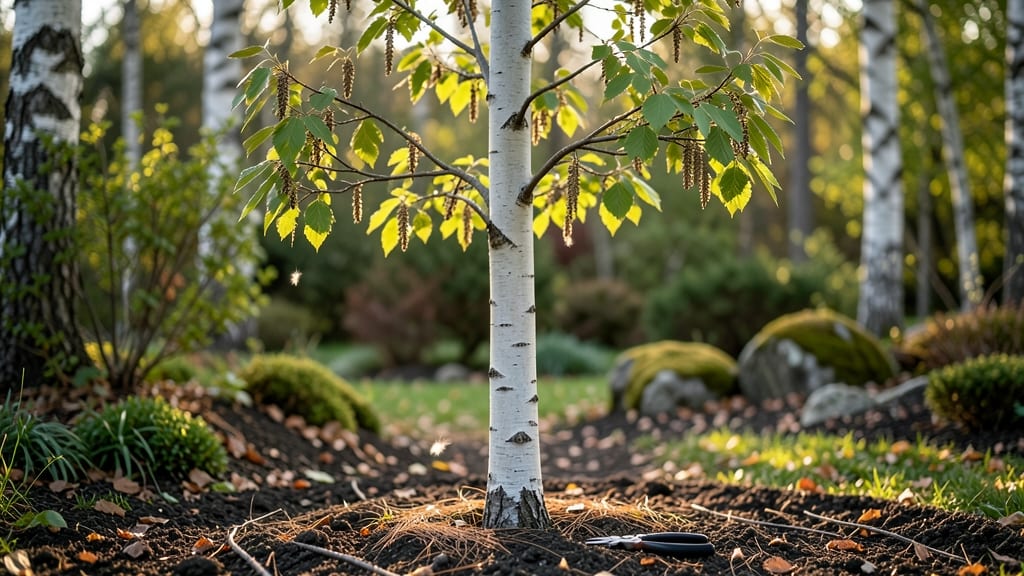
Growing a Swedish aspen tree (Populus tremula) means adding a fast-growing, airy shade tree that dances in the breeze—my first one shot up 10 feet in just three seasons.
The key to its success lies in mimicking its natural woodland habitat: moist, well-draining soil and plenty of space to spread its roots wide. Unlike slower-growing oaks or maples, aspens thrive on speed, making them perfect for quick privacy screens or restoring degraded areas.
You’ll need full sun (at least 6 hours daily) and soil that drains well but stays consistently moist—think of a damp meadow, not a desert. Aspens handle USDA zones 2-7, so they’re tough enough for northern climates but also adaptable to milder regions.
The real secret? Planting in early spring when the ground is workable but before the heat sets in. A 3- to 5-gallon container sapling gives you the best start, and mulching around the base helps retain moisture while keeping weeds at bay.
Once established, aspens need minimal fuss—water deeply once a week during dry spells, but avoid soggy soil. Fertilizer isn’t critical, but a balanced 10-10-10 in early spring can boost early growth. Prune only to shape or remove dead branches, as these trees naturally form a graceful, rounded canopy.
The payoff? Within 5-10 years, you’ll have a 60-foot-tall shade giant that supports wildlife and cools your yard in summer.
Watch for aphids or leaf spot fungus—both are common but manageable with neem oil or proper spacing. Aspens also resprout from stumps if damaged, so they’re nearly indestructible.
If you’re restoring a woodland or just want a dramatic, low-maintenance tree, this is your go-to. Ready to plant one that grows while you watch?
📚 In This Guide
- What you need
- Instructions
- Tips and common mistakes
- Wrapping up and next steps
What you need
- ● Swedish aspen tree saplings: 1–3 (choose 1–2 for smaller gardens, 3+ for woodland plantings)
- ● High-quality potting soil: 5–10 gallons (well-draining, slightly acidic, pH 5.0–6.5)
- ● Organic compost: 1–2 bags (for enriching soil)
- ● Mulch (wood chips or bark): 2–3 cubic feet (to retain moisture and regulate temperature)
- ● Garden gloves: 1 pair (for protection)
- ● Watering can or hose with spray nozzle: (for gentle hydration)
- ● Shovel or trowel: (for digging holes)
- ● Pruning shears: (sterilized, for shaping and trimming)
- ○ Tree stakes (optional but recommended): 2–4 (4–6 ft tall, for support)
- ● Tree ties or soft garden twine: (to secure stakes)
- ● Fertilizer (balanced or nitrogen-rich): 1–2 applications per growing season
- ● Tree guard or protective wrap: (to shield young trunks from pests)
- ● Soil moisture meter: (to monitor hydration levels)
- ● Wildlife deterrents (if needed): (e.g., deer repellent for young saplings)
Step-by-step guide to planting and establishing a Swedish aspen tree
Here’s how to get your fast-growing shade tree off to the strongest possible start.
🌱 Step 1: Choose the Right Location and Prepare the Soil
The Swedish aspen thrives in full sun to partial shade, with at least 6 hours of direct sunlight daily for optimal growth. Look for a spot with well-draining soil—aspens hate soggy roots, which can lead to root rot. If your soil is heavy clay, amend it with 2-3 inches of compost mixed into the top 12 inches of soil to improve aeration and moisture retention.
Dig a hole twice as wide as the root ball but no deeper. Loosen the sides of the hole with a shovel to encourage root spread. Avoid disturbing the root ball itself—aspens are sensitive to root damage. If planting in a windy area, choose a sheltered spot or install a temporary windbreak to protect the young tree until it establishes.
🪴 Step 2: Plant the Aspen Tree Correctly for Fast Growth
Place the aspen tree in the hole so the top of the root ball sits level with the surrounding soil. Aspens grow quickly but can develop weak structure if planted too deep. Fill the hole with the amended soil, tamping gently to remove air pockets. Water deeply to settle the soil around the roots—1-2 gallons should be enough for a small sapling, more for larger transplants.
Mulch the base with 2-3 inches of organic mulch, keeping it 6 inches away from the trunk to prevent moisture buildup against the bark. Use wood chips or shredded bark, but avoid fresh wood mulch, which can draw pests. The mulch will help retain moisture and suppress weeds while the tree’s roots establish.
☀️ Step 3: Water and Maintain for Rapid Establishment
Water the aspen deeply once a week for the first 6-8 weeks to encourage deep root growth. You’ll know it’s enough when water drains 6-8 inches down into the soil. Overwatering is a common mistake—aspens prefer consistent moisture but can’t tolerate waterlogged conditions. After the initial phase, reduce to every 2 weeks unless there’s prolonged dryness.
Fertilize lightly in the first year with a balanced, slow-release fertilizer (10-10-10) applied in early spring. Avoid heavy nitrogen—it promotes leafy growth at the expense of root development. Monitor for pests like aphids or spider mites, which can stress young aspens. A strong spray of water usually removes them, but neem oil works if they persist.
⏰ Step 4: Prune and Support for Long-Term Health
Prune only to remove dead, damaged, or crossing branches in the first year. Aspens grow fast but can develop weak branch structure if overpruned. Wait until the tree is 2-3 years old before shaping, as early pruning can slow growth. When pruning, cut just above a bud or branch collar to promote healing and new growth.
Stake the tree only if necessary—aspens are tall but flexible. If your site is particularly windy, use 2-3 stakes placed 6-12 inches from the trunk and tie loosely with soft fabric strips. Check the ties every few weeks to ensure they’re not cutting into the bark as the tree grows. Remove stakes after 1 year to avoid girdling the trunk.
Tips & tricks for perfect Swedish aspen tree establishment
Here's what I've learned from years of planting these fast-growing beauties—details that make all the difference between a struggling sapling and a thriving shade tree.
Soil Preparation Insight: When amending your soil with 2-3 inches of compost, focus on breaking up the top 12 inches thoroughly. The goal is to create a loose, aerated zone where roots can spread freely. I've seen too many aspiring gardeners just sprinkle compost on top—this creates a barrier that roots can't penetrate. Use a broadfork or tiller to blend it in properly, especially in clay-heavy soils where drainage is critical.
Planting Depth Secret: The top of that root ball must sit exactly level with the surrounding soil—no higher, no lower. I've watched countless gardeners plant too deep, which suffocates the tree's root system and leads to weak growth. After placing your aspen, step back and visually confirm the root ball's top is flush with the ground level before backfilling. This simple check prevents years of structural problems.
Watering Strategy: Those first 6-8 weeks are critical for root establishment, but timing matters more than volume. Water deeply once a week, but check your soil's moisture level by inserting a screwdriver 6-8 inches down. If it goes in easily, you've watered enough. The key is encouraging deep root growth, not just keeping the surface moist. Overwatering is just as damaging as underwatering for aspens.
Mulching Technique: When applying that 2-3 inches of organic mulch, create a volcano shape that slopes away from the trunk. This prevents water from pooling against the bark and creates a natural moisture gradient that encourages roots to spread outward. I've found that maintaining this shape throughout the growing season dramatically reduces the risk of trunk rot while keeping weeds at bay.
Pro Tips for Swedish Aspen Tree
- Here's what I've learned from years of planting these fast-growing beauties—details that make all the difference between a struggling sapling and a thriving shade tree.
- Soil Preparation Insight: When amending your soil with 2-3 inches of compost, focus on breaking up the top 12 inches thoroughly.
- Planting Depth Secret: The top of that root ball must sit exactly level with the surrounding soil—no higher, no lower.
Frequently asked questions
Got questions about the Swedish aspen tree? You’re not alone! Here are answers to the most common queries—whether you’re planting, pruning, or troubleshooting. Let’s dive in!
How fast does a Swedish aspen tree grow?
The Swedish aspen (Populus tremula) is a fast-growing tree, often adding 3–5 feet per year under ideal conditions. In the first decade, it can reach 30–50 feet tall with a spread of 20–30 feet. Growth slows slightly as it matures, but it remains one of the quickest hardwood trees for shade and windbreaks. Pro tip: Ensure full sun and moist, well-drained soil to maximize its speed!
Is the Swedish aspen cold-hardy?
This tree thrives in USDA Zones 2–7, making it perfect for northern climates. It handles subzero temperatures and even heavy snow, though young saplings may need winter mulch in harsh zones. Its tolerance for cold and drought (once established) is one reason it’s a favorite in Scandinavian woodlands. Bonus: Its early spring foliage signals warmer weather ahead!
Can I plant a Swedish aspen near my house?
While aspens are stunning, their aggressive root systems and shallow roots can damage sidewalks, driveways, or foundations over time. Plant them at least 30–50 feet away from structures. If space is tight, consider a container-grown specimen or a smaller alternative like a hybrid aspen (e.g., ‘Aurora’). Always check local regulations—some areas restrict planting near utilities.
Do Swedish aspens attract pests or diseases?
Like all trees, aspens can face issues, but they’re generally low-maintenance. Watch for:
- Aphids (sap-sucking insects) – Spray with water or insecticidal soap.
- Canker diseases (fungal) – Remove infected branches promptly.
- Beetle borers – Prune during dormant season to reduce entry points.
Healthy trees with good airflow rarely suffer severe problems. Prevention tip: Water deeply during droughts to boost resilience!
What’s a good alternative if I want a fast-growing shade tree?
If the Swedish aspen isn’t the right fit, try these fast-growing, low-maintenance alternatives:
Tree
Growth Rate
Shade Potential
Silver Maple (Acer saccharinum)
3–5 ft/year
Moderate to dense
Eastern Cottonwood (Populus deltoides)
5–8 ft/year
Very dense (but short-lived)
Hybrid Poplar (Populus × canadensis)
4–6 ft/year
Dense, fast-growing
Note: Cottonwoods have invasive roots, while hybrid poplars may need pruning. The Swedish aspen strikes a balance with moderate invasiveness and long-term benefits!
Wrapping up and next steps
The Swedish aspen tree is a stunning, fast-growing addition that brings beauty, shade, and even practical benefits to your garden or woodland. Whether you're drawn to its delicate foliage, resilience, or eco-friendly uses, this tree is a fantastic choice for both beginners and seasoned gardeners.
Now that you’re equipped with the know-how, why not plant one today? Start small—whether it’s a single sapling or a cluster—and watch your outdoor space transform over the years. Happy growing! 🌱🌿