
Pruning
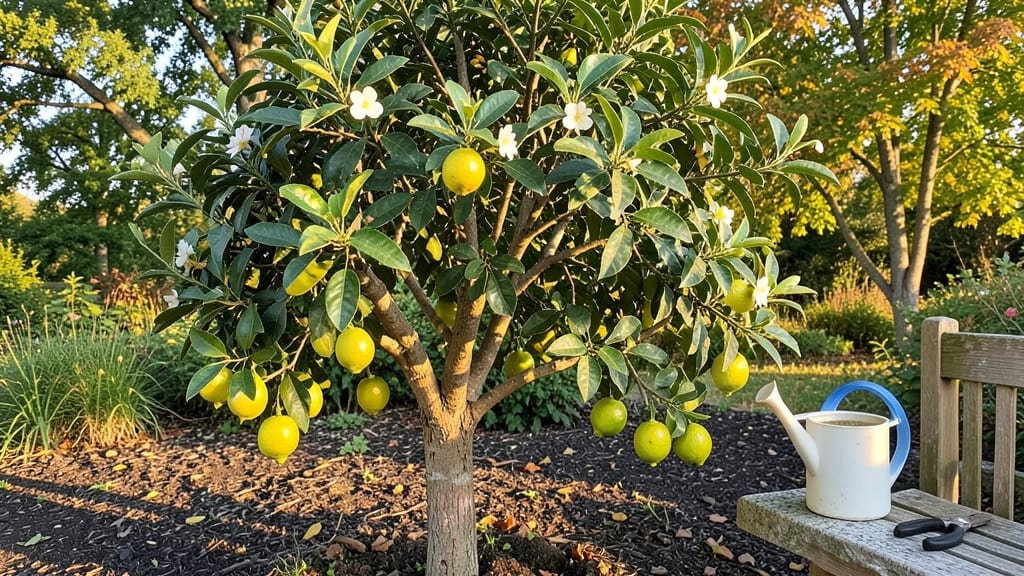
Growing an Italian lemon tree indoors means waking up to fragrant blossoms and harvesting homegrown lemons year-round—something I swore was impossible until I tried it myself. The key isn’t just sunlight or water, but understanding how these trees respond to seasonal changes, even when they’re indoors.
My Meyer lemon tree now produces fruit twice a year, and the secret lies in four strategic pruning sessions that keep it productive and healthy.
You’ll need bright, indirect light for at least 6-8 hours daily, well-draining potting mix, and a container with drainage holes—no fancy equipment required. Most beginners struggle with overwatering or inconsistent light, but once you dial in these basics, the tree thrives.
The real magic happens when you prune at the right times: late winter, early summer, fall, and after harvest. Each trim encourages new growth and more blooms.
By summer’s end, you’ll be picking bright, fragrant lemons that stay fresh on the tree for months. The first harvest is always the most exciting—nothing beats the taste of a lemon you grew yourself.
Plus, the tree stays compact enough for apartments, and with proper care, it can live for decades. Here’s how to keep yours flourishing through every season.
Whether you’re in a sunny California backyard or a north-facing apartment, this method adapts. The only difference? Urban growers may need grow lights in winter, while outdoor trees benefit from winter protection in colder zones. Let’s get your lemon tree growing strong and fruitful.
📚 In This Guide
- What you need
- Instructions
- Tips and common mistakes
- Wrapping up and next steps
What you need
- ● Italian lemon tree (Citrus × limon 'Meyer' or 'Eureka') – Choose a healthy, disease-free sapling from a nursery (potted or bare-root). Pro tip: Meyer lemons are cold-hardy and easier for beginners!
- ● Well-draining potting mix – A blend of 50% peat moss or coco coir, 30% perlite or pumice, and 20% compost (or a citrus-specific mix). 10-15 gallons per tree (adjust for container size).
- ● Pot or container – 15-20 gallon minimum (diameter ≥24 inches) with drainage holes. Terracotta or fabric pots work best!
- ● Pruning tools: Bypass pruners (for ¼-inch cuts)
- ● Loppers (for ½-inch branches)
- ● Sterilized sharp knife or saw (for thick limbs)
- ○ Pruning sealant (optional but recommended) – Tree wound paint or beeswax to protect cuts.
- ● Fertilizer – Citrus-specific fertilizer (e.g., 10-10-10 or 8-3-9 NPK) or organic options like fish emulsion. Use every 4-6 weeks during growing seasons.
- ● Watering can or hose with a gentle nozzle – Avoid overwatering; drench-and-dry method works best.
- ● Grow lights – LED full-spectrum bulbs (12-16 hours/day) if indoors or in low-light areas.
- ● Humidity tray or pebble tray – Keeps air moist (40-60% humidity ideal for lemons).
- ● Support stakes or trellis – Helps shape the tree as it grows (especially for Meyer lemons, which can get bushy).
- ● pH test kit – Ensures soil pH stays 6.0-7.0 (lemon trees love slightly acidic soil!).
- ● Pest control – Neem oil or insecticidal soap for aphids/spider mites.
Step-by-Step guide to growing an Italian lemon tree
Here's how I grow a thriving Italian lemon tree that produces fruit year-round.
🌱 Step 1: Choose the Right Location and Plant the Tree
Italian lemon trees need bright, indirect light for at least 6-8 hours daily. Place your tree near a south- or west-facing window, or supplement with a grow light if natural light is limited. Avoid harsh afternoon sun, which can scorch tender leaves.
Use a well-draining potting mix in a container with drainage holes—Italian lemons hate soggy roots. A 12-inch pot is ideal for a young tree, but plan to upgrade to 18-24 inches as it matures. Fill the pot halfway with soil, then gently remove the tree from its nursery container and place it in the center. Backfill with soil, pressing lightly to secure the roots.
☀️ Step 2: Provide Consistent Water and Humidity
Water your Italian lemon tree when the top 1-2 inches of soil feel dry to the touch. Stick your finger in the soil—if it’s dry past your first knuckle, it’s time to water. Overwatering is the fastest way to kill a lemon tree, so always let excess water drain completely before placing the pot back in its saucer.
These trees thrive in 60-75°F temperatures and appreciate 50-60% humidity. If your home is dry, place the pot on a tray of pebbles with water beneath it (never let the pot sit in water). Mist the leaves lightly in the morning to mimic outdoor dew, but avoid wetting the foliage at night to prevent fungal issues.
✂️ Step 3: Prune for Shape and Fruit Production
Prune your Italian lemon tree four times a year to encourage bushier growth and better fruit production. In early spring, remove any dead, damaged, or crossing branches with clean, sharp pruning shears. Cut just above a leaf node at a 45-degree angle to promote healing.
In late spring, trim back any leggy growth that’s stretching toward the light. This encourages the tree to fill out. During summer, lightly shape the tree by pinching back new growth to maintain its size. In fall, remove any spent or diseased branches to prepare for winter dormancy.
💧 Step 4: Fertilize for Year-Round Growth and Fruit
Feed your Italian lemon tree every 4-6 weeks during the growing season (spring through fall) with a balanced citrus fertilizer. Use half the recommended strength to avoid burning the roots. In winter, reduce fertilization to once every 8-12 weeks as the tree enters a slower growth phase.
Work the fertilizer into the top 2 inches of soil after watering to help distribute nutrients evenly. If you notice yellowing leaves, your tree may need iron or magnesium—switch to a citrus-specific micronutrient supplement for a few weeks to correct the deficiency.
🪴 Step 5: Protect and Maintain Through the Seasons
In winter, keep your Italian lemon tree away from cold drafts or heating vents. If temperatures drop below 50°F, move it to a cooler but bright spot indoors. Reduce watering slightly, as the tree’s growth slows, but don’t let the soil dry out completely.
Watch for pests like aphids or spider mites, which love lemon trees. Wipe leaves with a damp cloth weekly to remove dust and deter pests. If you spot an infestation, treat with neem oil or insecticidal soap—both are safe for citrus trees when used as directed.
Tips & tricks for perfect Italian lemon tree growth
Growing a thriving Italian lemon tree takes patience, but these practical tips will help you avoid common pitfalls and maximize your harvest.
Light Placement Matters: In Step 1, when choosing your location, rotate your tree every 2-3 weeks to ensure even light exposure. Italian lemon trees grow toward the light, so one side can become leggy if not rotated. A slow turn keeps the canopy balanced and encourages bushier growth. The 6-8 hours of bright, indirect light specified is non-negotiable—supplement with a grow light if natural light falls short, especially in winter months when days grow shorter.
Soil and Drainage Secrets: For Step 1's well-draining potting mix, consider adding perlite or coarse sand (about 20% of the mix) to improve drainage. Italian lemon trees are particularly sensitive to root rot, so never let them sit in saucers of water. When repotting to that 18-24 inch container, choose one with drainage holes AND a cache pot underneath to catch excess water—this prevents soggy roots while keeping moisture consistent.
Watering Wisdom: In Step 2, when checking soil moisture, press your finger about 1 inch deep—this is where the roots actively seek water. The "first knuckle" test is perfect, but remember that potting mix dries differently based on its composition. If you notice the top 1-2 inches drying too quickly, your tree might be too small for its pot or the mix isn't retaining enough moisture. In winter, reduce watering to every 3-4 weeks as growth slows, but never let the soil dry completely.
Pruning Precision: For Step 3's seasonal pruning, always sterilize your pruning shears with rubbing alcohol between cuts to prevent spreading disease. When making those 45-degree cuts above leaf nodes, look for outward-facing buds—they'll grow into branches that open up the tree's canopy. In late spring, focus on removing branches that are growing directly away from the center; these "water sprouts" drain energy from fruit production. Save heavy pruning for early spring when the tree is just waking up from dormancy.
Pro Tips for Italian Lemon Tree
- Growing a thriving Italian lemon tree takes patience, but these practical tips will help you avoid common pitfalls and maximize your harvest.
- Light Placement Matters: In Step 1, when choosing your location, rotate your tree every 2-3 weeks to ensure even light exposure.
- Soil and Drainage Secrets: For Step 1's well-draining potting mix, consider adding perlite or coarse sand (about 20% of the mix) to improve drainage.
Frequently asked questions
Got questions about growing your own Italian lemon tree? You’re not alone!
Here are some of the most common queries—plus quick, practical answers to keep your citrus thriving year-round.
How often should I prune my Italian lemon tree?
Prune your Italian lemon tree four times a year to encourage healthy growth and fruit production. Focus on shaping in late winter, light trimming after harvest (spring), cleaning up in summer, and a final touch-up in fall before dormancy. Avoid heavy pruning during flowering or fruiting seasons.
Can I grow an Italian lemon tree indoors?
Italian lemon trees thrive indoors with bright, indirect sunlight (south-facing windows are ideal) and consistent warmth (60–75°F). Use a well-draining potting mix, rotate the pot weekly for even growth, and supplement with grow lights in winter. Just be patient—indoor trees may take longer to bear fruit.
Why aren’t my lemons ripening?
Lemons need full sun (6+ hours daily), proper watering, and balanced fertilizer (like a citrus-specific blend). Check for overwatering (root rot risk!) or underwatering (stress = no fruit). If your tree is young (<3 years), it may still be maturing. Try hand-pollinating flowers with a small brush if bees aren’t visiting.
What’s the best fertilizer for an Italian lemon tree?
Use a citrus-specific fertilizer (high in nitrogen early in the season, then balanced NPK like 8-8-8 or 10-10-10). Feed every 4–6 weeks during growing seasons (spring–fall), but reduce in winter. Organic options like composted manure or fish emulsion work too! Always water before and after fertilizing to prevent root burn.
How do I deal with pests on my lemon tree?
Common pests include aphids, scale, and spider mites. Start with a hose spray to dislodge soft-bodied bugs, then treat with neem oil or insecticidal soap (follow label instructions). For stubborn infestations, introduce beneficial insects like ladybugs or lacewings. Prune and dispose of heavily infested branches to stop the spread.
Wrapping up and next steps
Growing an Italian lemon tree is a rewarding journey that brings vibrant foliage, fragrant blossoms, and—best of all—year-round citrus harvests! With the right tools, seasonal trims, and a little patience, you’ll transform your space into a Mediterranean paradise.
Whether you’re pruning for shape, health, or fruit production, each trim keeps your tree thriving and productive.
Ready to take the next step? Start small—even a single trim can make a difference! Grab your pruners, follow the seasonal guide, and enjoy the sweet (and tangy!) rewards of your labor. Buona fortuna! 🍋✨