
Trees
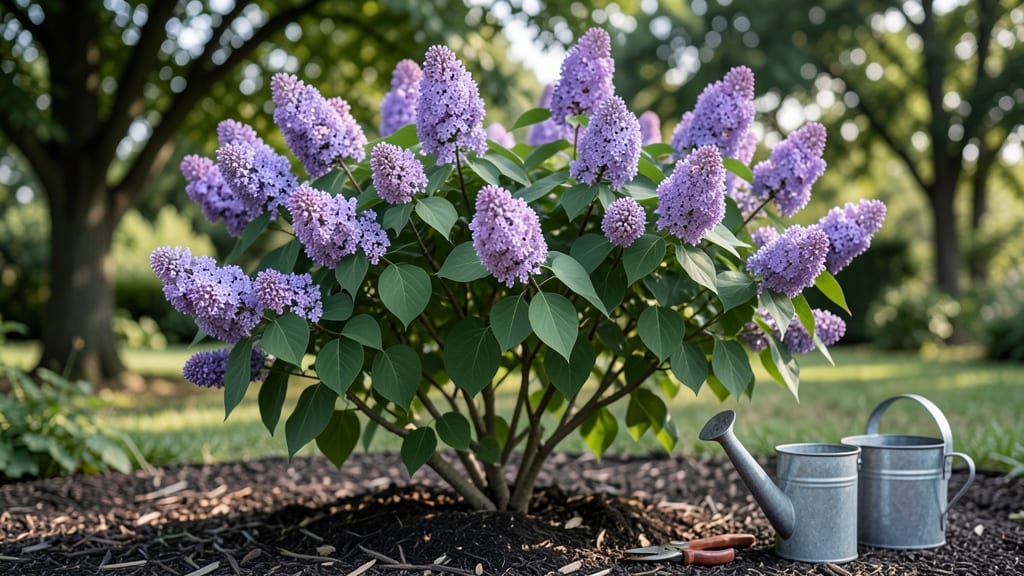
Lilac tree leaves aren’t just pretty—they’re fragrant treasures you can harvest and preserve for homemade potpourri, sachets, or even floral arrangements. 🌿 I’ve turned my overgrown lilac’s foliage into seasonal keepsakes, and the process is simpler than you’d think.
The key is timing: pick leaves after the spring blooms fade but before summer heat sets in, when their scent is strongest and oils are at their peak.
Start by gathering healthy leaves—skip any that look spotted, yellowed, or chewed by pests. A sharp pair of scissors works best to avoid tearing the stems.
Once harvested, lay them flat to dry in a warm, dry spot (a mesh bag or screen works great) for about 2-3 weeks, stirring occasionally. The result? Leaves that smell like spring forever, ready to tuck into drawers, craft projects, or even dried wreaths.
📚 In This Guide
- What you need
- Instructions
- Tips and common mistakes
- Wrapping up and next steps
What you need
- ● Fresh lilac leaves: Harvest only from pesticide-free trees (1–2 cups, depending on your project). Pick leaves after blooming for peak fragrance!
- ● Pruning shears or sharp scissors: 1 pair (sterilized with rubbing alcohol for hygiene).
- ● Brown paper bags or breathable mesh bags: 2–3 medium-sized bags (for airflow during transport).
- ● Drying trays or screens: 1–2 (wooden or metal, with holes for ventilation).
- ● Air-dry location: A dark, well-ventilated spot (like a pantry or shed) with consistent temperature (60–70°F).
- ○ Mortar and pestle (optional): For crushing dried leaves into powder for tea or potpourri.
- ○ Food processor or blender (optional): For larger batches of leaf powder (use only for non-edible projects!).
- ● Glass jars with airtight lids: 2–4 (quart-sized, sterilized) for storage.
- ○ Silica gel packets (optional): 1–2 (for preserving leaves in crafts or frames).
- ● Labeling supplies: Masking tape + markers (to track harvest dates and uses!).
- ○ Safety first: Wear gloves (optional) and avoid harvesting near roads or sprayed areas.
- ● Timing: Pick leaves on a dry, sunny morning after dew has evaporated.
- ● Permission: Ensure the tree isn’t protected by local ordinances (check with your city’s parks department if unsure!).
Step-by-Step guide to harvesting and preserving lilac tree leaves
Here's how to capture that signature lilac fragrance in your home all year.
🌿 Step 1: Identify and Harvest Mature Leaves
Timing matters most—harvest leaves just as the flowers begin to open in late spring. The leaves should be fully unfurled but still vibrant green, not yellowing or brown. I use clean, sharp pruning shears to snip just above a leaf node, which encourages bushier growth.
Never take more than one-third of the foliage from a single branch to avoid stressing the tree. Spread your harvest across multiple branches if needed. The best time of day is morning after the dew dries—leaves are fresher and retain more essential oils.
💧 Step 2: Clean and Dry the Harvest
Rinse leaves immediately in cool water to remove dust and insects, then pat dry with paper towels. I lay them out on a clean kitchen towel in a single layer, ensuring none overlap. This prevents mold from trapped moisture.
Place the towel with leaves in a warm, dry spot with indirect sunlight—direct sun will bleach the color and degrade the fragrance. Turn leaves every 2-3 hours for even drying. They're ready when crisp to the touch, which takes about 3-5 days depending on humidity.
✂️ Step 3: Preserve Using Your Preferred Method
For dried bundles, tie 10-15 leaves together with twine and hang upside down in a dark, dry place. The bundles will retain fragrance for 6-12 months. I like to add a sprig of lavender to enhance the scent during drying.
For potpourri, crush dried leaves between your palms to release essential oils, then mix with equal parts dried rose petals and 1 tablespoon dried citrus peel. Store in an airtight jar away from direct light. The fragrance intensifies over 2-3 weeks as oils develop.
🪴 Step 4: Store Preserved Leaves Properly
Keep dried leaves in glass jars with tight-sealing lids to maintain fragrance. Add a bay leaf or cinnamon stick to jars for extra scent preservation. I label each jar with the harvest date—older leaves lose potency after 18 months, even in ideal conditions.
For long-term storage, place jars in a cool, dark pantry (never the fridge). The scent will gradually fade but remains detectable for 2-3 years if stored correctly. A little goes a long way—just a pinch in sachets or a few leaves in a simmer pot creates that classic lilac aroma.
Tips & tricks for perfect lilac leaf preservation
Avoid these common pitfalls—and make every step of your lilac leaf journey even more rewarding.
Timing Secret: In Step 1, harvest leaves when they're fully unfurled but still slightly furled at the edges—this means peak fragrance. I've learned the hard way that fully open leaves lose their signature scent faster during drying. The morning after dew dries is ideal because leaves contain the most essential oils then, but if that's not possible, late morning works too.
Drying Technique: For Step 2, don't skip the 2-3 hour turning schedule—this prevents uneven drying and mold. I place my drying setup near a window with sheer curtains for that indirect sunlight. If you're in a humid climate, add a small fan on low to help speed up the process while still keeping it warm and dry. The crisp-to-touch test is foolproof—if they're not crisp after 5 days, your environment is too moist.
Preservation Hack: When making potpourri in Step 3, crush the leaves between parchment paper instead of your palms to avoid getting essential oils on your skin. This also makes the crushing more even. For an extra scent boost, add a drop of vanilla extract to the potpourri mixture—it complements lilac beautifully and extends the fragrance life.
Storage Wisdom: In Step 4, always use glass jars with tight-sealing lids for long-term storage. I've found that adding a pinch of salt to the jars helps absorb any lingering moisture that could degrade the scent over time. For maximum fragrance retention, store your jars in the darkest corner of your pantry—even indirect light can fade the lilac aroma over months.
Pro Tips for Lilac Tree Leaves
- Avoid these common pitfalls—and make every step of your lilac leaf journey even more rewarding.
- Timing Secret: In Step 1, harvest leaves when they're fully unfurled but still slightly furled at the edges—this means peak fragrance.
- Drying Technique: For Step 2, don't skip the 2-3 hour turning schedule—this prevents uneven drying and mold.
Frequently asked questions
Got questions about harvesting and preserving lilac tree leaves? You’re not alone! Here are some of the most common queries—plus quick, practical answers to keep your floral treasures fresh and fragrant.
When is the best time to harvest lilac leaves?
The ideal time to harvest lilac leaves is just after the flowers bloom (late spring to early summer). This ensures the leaves are fully mature but still retain their delicate fragrance. Avoid harvesting in extreme heat or after rain, as moisture can speed up decay. Pro tip: Early morning is best—leaves are cooler and more hydrated!
How do I properly harvest lilac leaves without harming the tree?
Use clean, sharp pruning shears to cut leaves just above a leaf node (where leaves meet stems). Never strip entire branches—harvest no more than 1/3 of the foliage from any one tree to avoid stress. Focus on outer leaves first, leaving inner growth intact. Pro tip: Harvest on a dry day to prevent fungal issues!
Can I use dried lilac leaves for crafts or potpourri?
Dried lilac leaves make gorgeous potpourri, sachets, or pressed floral art. Bundle small stems with rubber bands and hang upside down in a dry, dark place for 2–3 weeks. For faster drying, use a dehydrator (set to 95°F/35°C). Warning: Avoid high heat—it destroys fragrance!
What if my lilac leaves turn yellow or wilt after harvest?
Yellowing or wilting often signals overharvesting, disease, or poor storage. If leaves wilt post-harvest, place them in a paper bag with a damp (not soaking) towel to revive them. For yellowing, check for powdery mildew (white dust) or aphids—treat with neem oil if needed. Pro tip: Store leaves in the fridge for up to a week to extend freshness!
Are there alternatives to lilac leaves for fragrance?
Yes! If lilacs aren’t available, try lavender, rose petals, or jasmine leaves for similar floral scents. For a woody aroma, use cedar or pine needles. Just like lilacs, harvest these in the morning and dry them thoroughly. Bonus: Mix dried leaves with citrus peels for a zesty twist!
Wrapping up and next steps
From harvesting fragrant lilac leaves to preserving their beauty in wreaths, sachets, or infused oils, you’ve unlocked a world of natural elegance and practicality. Lilac tree leaves aren’t just pretty—they’re versatile treasures for your home, garden, and even wellness routines.
Ready to dive deeper? Experiment with your creations! Try crafting a homemade lilac-scented candle or sharing your preserved leaves with friends. Your green thumb and creativity just earned a new superpower—harness the magic of nature’s floral gifts! 🌿✨