
Pruning
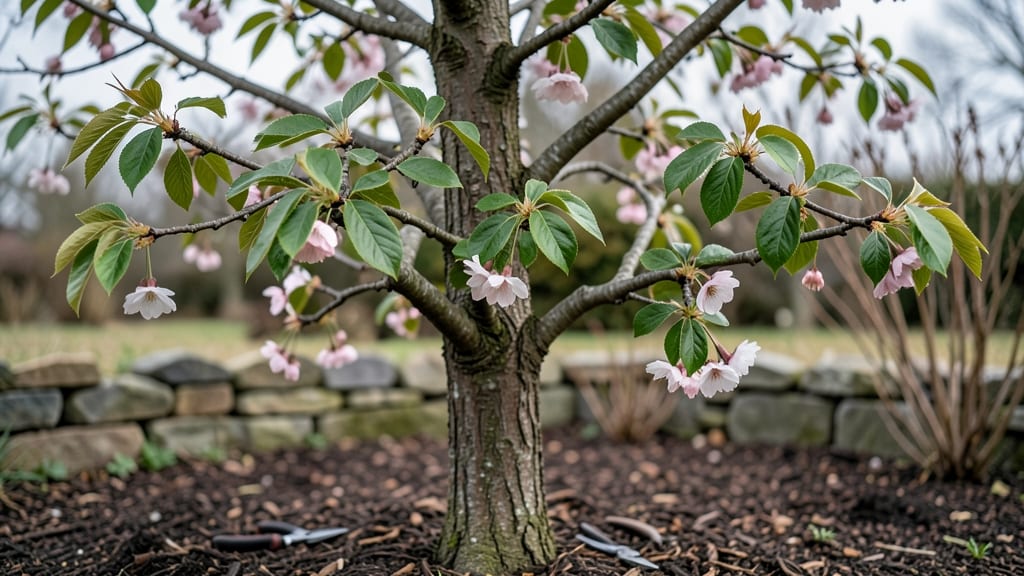
A methly plum tree, when pruned with intention, transforms into a tidy masterpiece—every snip guiding its shape and future bounty. I learned this the hard way after my first tree grew into an unruly tangle, but now it produces 100+ plums on a 6-foot frame.
The secret isn’t just timing; it’s understanding how this variety responds to seasonal trims.
Start with the right tools: sharp pruners, rubbing alcohol for cuts, and a sunny day to avoid stressing the tree. Methley plums need open branches for airflow—crowded growth invites disease and pests.
I prune twice a year: a light winter cleanup to remove dead wood, then a summer trim to shape growth and encourage fruit production.
By summer’s end, you’ll see smooth, rounded branches instead of wild tangles, and the tree will reward you with juicy, deep-purple plums in late August. The best part? Compact growth means easier harvesting—no ladder needed. Let’s get those branches in shape for a bountiful season.
This method works for small yards, containers, or even urban patios—just adjust pruning intensity based on your space. Whether you’re a first-timer or refining your technique, these cuts will keep your Methley plum tree productive and picturesque for years.
📚 In This Guide
- What you need
- Instructions
- Tips and common mistakes
- Wrapping up and next steps
What you need
- ● Pruning shears – Bypass pruners (sharp, 7-9" blades) for clean cuts on small branches.
- ● Loppers – 18-24" long, for thicker branches (½"–1½" diameter).
- ● Pruning saw – For stubborn, larger branches (1½"+ diameter).
- ● Gloves – Heavy-duty, cut-resistant (e.g., leather or synthetic mesh).
- ● Disinfectant – 70% isopropyl alcohol or bleach solution (1 part bleach to 9 parts water) to sterilize tools between cuts.
- ● Rubbing alcohol or hand sanitizer – For quick tool and hand cleaning.
- ○ Pruning sealant – Optional, for large cuts (1" or wider) to prevent disease (e.g., tree wound dressing).
- ● Plastic bags or trash bags – For collecting pruned branches (10–20 gallon size).
- ● Ladder or step stool – Extendable or stable (6–10 ft height, depending on tree size).
- ● Safety glasses – To protect eyes from debris.
- ● Work boots or closed-toe shoes – For foot protection.
- ● Notebook & pen – To sketch pruning plans or track cuts.
- ● Check the Methly Plum Tree’s dormancy period (late winter/early spring, before buds swell).
- ● Ensure the tree is healthy and pest-free—prune only if no signs of disease (e.g., oozing sap, fungal spots).
- ● Have a clear day planned—avoid pruning in wet or windy conditions.
Seasonal pruning techniques for Methly plum tree growth
Compact growth starts with strategic cuts—here’s how to shape your tree year-round.
Late Winter Dormant Pruning for Structure
Begin in late winter, just before buds swell but while the tree is still dormant. This is the ideal time to remove dead, diseased, or crossing branches—they’ll stand out clearly against bare wood. Start with a clean, sharp bypass pruner to make cuts just outside the branch collar, where the branch meets the trunk. Avoid leaving stubs; they invite rot and weaken the tree’s defenses.
Focus on open-center shaping for Methly plums. Remove up to 25% of the tree’s canopy in one session, prioritizing branches growing inward or rubbing against others. Thin out crowded areas to improve airflow, which reduces fungal risks like brown rot. If you’re unsure which branches to cut, follow the "third cut" rule: if a branch is smaller than one-third the diameter of the main stem, it’s safe to remove without compromising structure.
Summer Light Pruning for Airflow and Fruit
Mid-to-late summer, after fruit harvest but before fall, do a light maintenance trim. This isn’t about heavy shaping—it’s about removing suckers, water sprouts, and overcrowded shoots. Suckers (shoots growing from the base or trunk) drain energy from fruit production. Snap them off at the base with your fingers or cut with pruners just above a leaf node.
For water sprouts (fast-growing vertical shoots), trim back to a side branch or bud. These shoots compete with fruit-bearing wood for nutrients. If you notice leaf curl or yellowing on branches, prune those sections out immediately—they’re often early signs of disease. After trimming, sterilize your tools with rubbing alcohol to prevent spreading pathogens between cuts.
Post-Harvest Thinning for Next Year’s Crop
After harvest, assess the tree’s branch framework. Look for scaffold branches (major limbs forming the tree’s skeleton) that need thinning. Remove one dominant branch per scaffold to reduce weight and improve light penetration. For example, if a scaffold has two strong vertical branches growing upward, keep the stronger one and prune the weaker to prevent future breakage.
Thin clusters of fruit spurs (short, stubby branches bearing fruit) by 50% to increase fruit size. Leave one or two buds per spur to encourage larger, higher-quality plums next season. Avoid heavy pruning now—focus on balancing the canopy so sunlight reaches the center. If your tree has long, leggy branches, cut them back by one-third to encourage bushier growth and more fruit production.
Fall Cleanup to Prevent Disease
In early fall, before temperatures drop below 40°F, do a final sanitation prune. Remove all diseased leaves, mummified fruit, and twigs with lesions. These debris hotspots breed pests and fungi over winter. Rake up fallen leaves and dispose of them in the trash—not the compost, as brown rot spores can survive.
Apply a 3-inch layer of mulch (like the 2 bags of wood chips you’ll use) around the tree’s drip line but keep it 6 inches away from the trunk. This insulates roots while suppressing weeds. If you notice honeydew or sooty mold on leaves, prune those branches aggressively—they’re signs of aphid infestations. After cleanup, sterilize tools again and store them in a dry place.
Tips & tricks for perfect Methly plum tree growth
Here's what nobody tells you about pruning Methly plums—these insights will transform your tree's health and fruit production.
Tool Preparation: Before you begin, sharpen your bypass pruners with a file and clean them with rubbing alcohol to prevent spreading disease between cuts. A dull blade crushes wood instead of making clean cuts, which stresses the tree and invites infection. I always test my tools on a scrap branch first to ensure they're cutting smoothly—this small step prevents half-finished pruning sessions from frustration.
Seasonal Timing Matters: The late winter timing in Step 1 is critical because the tree's sap flow is minimal, reducing bleeding. If you prune during active growth periods, you risk excessive sap loss and stress. For summer pruning in Step 2, focus on removing only what's necessary—this light approach prevents over-stressing the tree when it's already fruiting. In fall, that 40°F cutoff is non-negotiable; colder temperatures increase frost damage risk to fresh cuts.
Visual Branch Assessment: When applying the "third cut" rule in Step 1, hold the branch at arm's length and compare it to the main stem. If it's visibly thinner than one-third, it's safe to remove. For scaffold branches in Step 3, look for branches with a wider angle (60-75 degrees) from the trunk—these are structurally stronger. I've learned this the hard way after watching poorly angled branches snap under fruit weight.
Disease Prevention Strategy: After each pruning session, especially in Step 4, I recommend creating a designated cleanup station with a trash bag and disinfectant spray. Collect all pruned material in this bag and dispose of it immediately—never leave it under the tree. This simple habit prevents brown rot spores from overwintering in your yard. The 6-inch mulch clearance from the trunk is equally important; it prevents moisture buildup that leads to trunk rot.
Pro Tips for Methly Plum Tree
- Here's what nobody tells you about pruning Methly plums—these insights will transform your tree's health and fruit production.
- Tool Preparation: Before you begin, sharpen your bypass pruners with a file and clean them with rubbing alcohol to prevent spreading disease between cuts.
- Seasonal Timing Matters: The late winter timing in Step 1 is critical because the tree's sap flow is minimal, reducing bleeding.
Frequently asked questions
Got questions about pruning your Methley plum tree? You’re not alone! Here are some of the most common concerns—plus quick answers to keep your tree thriving and compact.
When is the best time to prune a Methley plum tree?
The ideal time is late winter or early spring (just before buds swell) to avoid disease spread. Avoid heavy pruning in summer—it stresses the tree and invites pests. For minor shaping, light trims can happen in early fall, but skip heavy cuts after August to prevent new growth from freezing.
How much can I trim without harming the tree?
Never remove more than 25% of the canopy in one season. Methley plums are vigorous, but over-pruning weakens fruit production. Focus on open-center shaping—cut back 1/3 of the oldest branches annually to encourage new growth while maintaining airflow. Thin crowded branches first!
Why aren’t my Methley plums growing after pruning?
Plums need balanced pruning—too much top-heavy cutting (like over-trimming branches) can reduce fruit set. Ensure you’re:
- Pruning outward-facing branches to open the canopy.
- Leaving 3–5 main scaffolds for structure.
- Avoiding deadheading (removing flower buds)—plums fruit on last year’s wood!
How do I prevent pests after pruning?
Pruning wounds attract borers and aphids. Seal cuts larger than ½-inch with pruning sealant (or use tree paint for older trees). Sterilize tools with 70% rubbing alcohol between cuts. Post-pruning, apply neem oil or insecticidal soap to deter early pests.
Can I grow a Methley plum tree in a container?
Yes! Dwarfing rootstock varieties (like Methley on St. Julien A rootstock) thrive in 15–20 gallon pots. Use well-draining soil, prune roots every 2–3 years, and move containers to full sun (6+ hours daily). Expect smaller fruit but earlier harvests—perfect for patios!
Pro Tip: Label cuts!
Use flagging tape to mark branches for removal—especially if you’re pruning in stages. This prevents accidental over-trimming and helps track progress over seasons.
Wrapping up and next steps
Growing a healthy, compact methly plum tree is all about timing, technique, and a little patience! 🌿 By mastering seasonal pruning—from late winter dormancy to summer shaping—you’ll encourage lush blooms, better fruit yield, and a manageable size.
Remember, consistency is key, so keep your tools sharp and your cuts clean.
Ready to take your tree to the next level? Start small: pick one season to refine your skills, then gradually expand your pruning routine. Before you know it, your methly plum tree will be the star of your garden—and your table! 🍑🌟