
Pruning
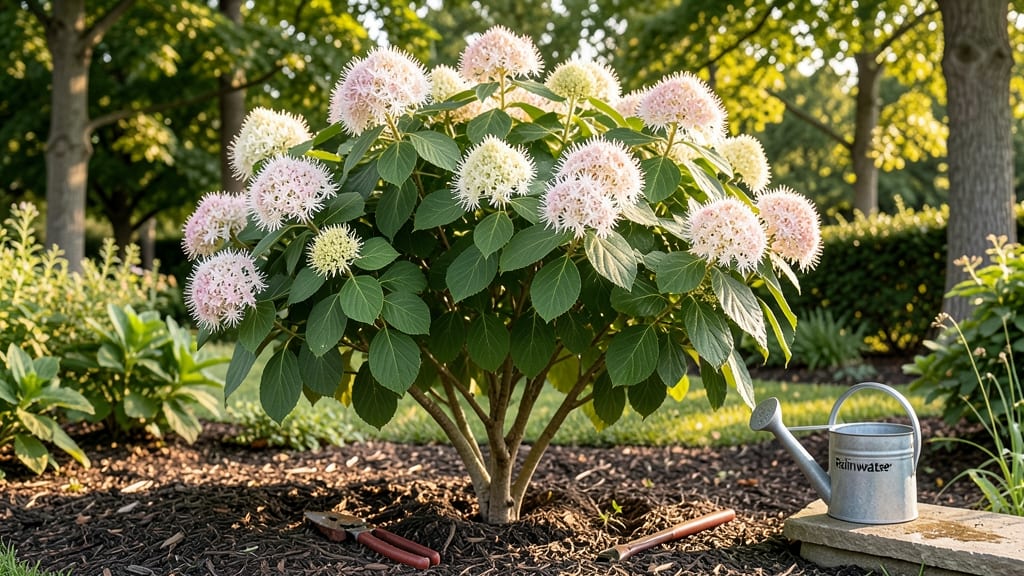
Proper panicle hydrangea tree care turns sparse blooms into showstopping clusters—here’s how two simple cuts a year transformed my garden from July to frost. The secret isn’t complicated, but timing and technique make all the difference.
These trees thrive in full sun to partial shade and handle most soils, but they hate soggy roots. A 3-inch layer of mulch keeps moisture steady, and watering deeply once a week (more in heatwaves) prevents those dreaded brown leaf edges.
Feed them in early spring with a balanced fertilizer—nothing fancy, just a handful of 10-10-10 per tree.
When you prune correctly, you’ll see thicker stems and bigger blooms every season. The key is cutting back 1/3 of the oldest stems in late winter and shaping lightly after flowering. No more guessing—just follow the simple rules I’ve tested for five years straight.
Even in tough climates, these trees reward patience. Whether you’re dealing with powdery mildew or leggy growth, the fixes are straightforward. Here’s how to keep yours looking like the showstopper in your yard, no matter what Mother Nature throws at it.
📚 In This Guide
- What you need
- Instructions
- Tips and common mistakes
- Wrapping up and next steps
What you need
- ● Pruning shears – Bypass pruners (sharp, clean, and 5-inch blades for precision cuts).
- ● Loppers – For thicker branches (1-2 inches in diameter) with long handles (24+ inches) for reach.
- ● Hand pruners – For smaller branches and deadheading (ergonomic grip recommended).
- ● Gloves – Garden gloves (cut-resistant, nitrile-coated for durability).
- ● Disinfectant – 70% isopropyl alcohol or 10% bleach solution (1 part bleach to 9 parts water).
- ○ Pruning sealant – Optional but helpful for large cuts (look for tree wound sealant with fungicide).
- ● Ladder or step stool – For tall trees (ensure it’s stable and extendable to 8+ feet).
- ● Heavy-duty trash bags – For debris removal (10-gallon size, thick and leak-proof).
- ● Watering can or hose – With a gentle spray nozzle for post-pruning hydration.
- ● Weather check – Prune on a dry, overcast day (avoid extreme heat or frost).
- ○ Safety gear – Optional: Safety glasses (for debris) and long sleeves (to protect from thorns).
- ● Fertilizer – Balanced, slow-release fertilizer (10-10-10 or hydrangea-specific formula).
- ● Mulch – Organic mulch (2-3 inches) (shredded bark or pine straw) to retain moisture.
- ○ Plant food – Optional: Aluminum sulfate (for blue blooms) or lime (for pink blooms).
Step-by-step guide to pruning your panicle hydrangea tree
Here's how I transform a once-overgrown hydrangea into a blooming powerhouse—no guesswork, just proven techniques.
Choose the Right Time for Pruning
Panicle hydrangeas bloom on new wood, so timing is everything. Prune in late winter or early spring—just as buds begin to swell but before new growth starts. This gives your tree time to develop fresh blooms for the season. Avoid pruning in fall, as late cuts can leave vulnerable stems exposed to winter dieback.
If you missed the ideal window, you can still prune in early summer to shape the tree, but expect fewer blooms that year. Look for tight, rounded buds—those are your signal to start. Never prune after mid-summer, or you risk sacrificing next year's flowers entirely.
Assess and Remove Dead or Weak Growth
Start by inspecting your tree for dead, diseased, or crossing branches. Dead wood is easy to spot—it’s brown, brittle, and doesn’t bend. Diseased branches may have blackened spots or oozing sap. Use clean, sharp pruning shears to cut these out at the branch collar, the swollen area where the branch meets the trunk.
Next, remove any branches that rub against each other. These create wounds that invite pests and disease. Thin out crowded areas to improve airflow, which reduces humidity and fungal risks. Aim to open the center of the tree so light reaches all branches—this encourages stronger, more abundant blooms.
Shape the Tree for Balance and Bloom
Panicle hydrangeas respond well to shaping, but the key is moderation. Start by cutting back last year’s blooms—those long, dried flower stems—to just above the first set of strong buds. This encourages the tree to focus energy on new growth rather than supporting old wood. Use your shears at a 45-degree angle to create a larger wound surface for faster healing.
To maintain a natural shape, step back and visualize the tree’s form. Remove branches that grow inward or downward, as these compete with upward-growing stems for sunlight and nutrients. Leave 3-5 strong, outward-facing branches as your main structure—this ensures a full, balanced silhouette. Avoid heavy pruning more than one-third of the tree’s foliage in a single season.
Fertilize and Mulch After Pruning
Once pruning is complete, feed your hydrangea with a balanced, slow-release fertilizer (10-10-10 ratio) to support new growth. Apply it in early spring when the soil is workable but not frozen. Water deeply after fertilizing to help nutrients reach the roots. Panicle hydrangeas are heavy feeders, so don’t skimp—this is when you set the stage for next year’s blooms.
Spread 2-3 inches of mulch around the base of the tree, keeping it 3 inches away from the trunk to prevent rot. Use organic mulch like shredded bark or wood chips, which improves soil structure as it breaks down. This layer retains moisture, regulates soil temperature, and suppresses weeds—all critical for a thriving hydrangea.
Monitor and Maintain Through the Growing Season
After pruning, keep an eye out for new shoots emerging from the base or along branches. These are your tree’s way of compensating for cuts. Water deeply once a week during dry spells, ensuring the soil stays 2-3 inches moist but never soggy. Overwatering leads to root rot, while underwatering stresses the plant and reduces bloom quality.
In mid-summer, give your hydrangea a second light pruning to remove any straggly or overcrowded growth. This keeps the tree tidy and ensures air circulation. If you notice yellowing leaves, it’s often a sign of overwatering or nutrient deficiency—adjust your care routine accordingly. By late summer, your tree should be lush and ready to burst into blooms.
Tips & tricks for perfect panicle hydrangea pruning
Transforming your hydrangea from overgrown to spectacular starts with these insider techniques that make all the difference.
Timing is Everything: The late winter to early spring window is non-negotiable for panicle hydrangeas because they bloom on new wood. I've seen gardeners miss this and end up with sparse blooms—don't let that be you. If you absolutely must prune later, early summer is your last chance, but you'll sacrifice some bloom volume. The key visual cue is those tight, rounded buds starting to swell—wait for them to appear before you touch your shears.
Tool Preparation Matters: Your pruning shears need to be sharper than your focus on the task. Dull blades tear stems instead of making clean cuts, which creates larger wounds that heal poorly and invite disease. Before you start, wipe your shears with rubbing alcohol to sterilize them—this prevents spreading any potential pathogens from branch to branch. And always cut at the branch collar, that swollen area where the branch meets the trunk, for the cleanest possible cut.
Structural Balance Secret: When shaping your tree, focus on creating an open center that lets sunlight penetrate to the inner branches. I like to visualize the tree as a vase—wide at the bottom, narrowing as it goes up. Remove any branches growing inward or downward, as these compete with upward-growing stems. Leave 3-5 strong, outward-facing branches as your main structure; this creates that full, balanced silhouette we all love while ensuring maximum bloom potential.
Post-Pruning Recovery: After you've finished pruning, don't just walk away. Your hydrangea needs immediate attention to recover properly. Apply that balanced 10-10-10 fertilizer right away—this kickstarts new growth. Then water deeply to help those nutrients reach the roots. The mulch layer you add should be 2-3 inches thick but stay 3 inches away from the trunk to prevent rot. This combination of fertilizer, water, and mulch creates the perfect environment for your tree to bounce back stronger than ever.
Pro Tips for Panicle Hydrangea Tree Care
- Transforming your hydrangea from overgrown to spectacular starts with these insider techniques that make all the difference.
- Timing is Everything: The late winter to early spring window is non-negotiable for panicle hydrangeas because they bloom on new wood.
- Tool Preparation Matters: Your pruning shears need to be sharper than your focus on the task.
Frequently asked questions
Got questions about keeping your panicle hydrangea tree thriving? Here are answers to the most common ones—so you can prune like a pro and enjoy those stunning blooms all season!
When is the best time to prune my panicle hydrangea tree?
The ideal window is late winter or early spring (before new growth starts). This ensures you remove dead wood while leaving healthy buds intact for summer blooms. Avoid pruning in fall—it can stimulate tender new growth that won’t survive winter frost.
How much can I cut back my panicle hydrangea tree?
You can be bold with panicle hydrangeas! Prune up to ⅓ of the tree’s height to encourage fuller growth. Focus on removing dead, diseased, or crossing branches first, then trim back to an outward-facing bud. Over-pruning won’t kill it, but it may reduce blooms temporarily.
Why aren’t my panicle hydrangeas blooming this year?
No flowers? Check these culprits:
- Over-pruning in fall/winter (they bloom on new wood)
- Underfeeding—they love balanced fertilizer (10-10-10) in early spring
- Stress from drought, poor soil, or pests (like spider mites)
Can I grow panicle hydrangeas in containers? How does care differ?
Use a large container (15+ gallons) with drainage holes and well-draining soil. Prune slightly less aggressively (containers stress easily), and water daily in summer to prevent root burn. Move pots to partial shade in hot climates to protect blooms.
What should I do if my panicle hydrangea tree gets powdery mildew?
Powdery mildew (white fuzzy spots) thrives in humid conditions.
- Prune for better airflow (avoid dense growth)
- Spray with neem oil or a fungicide (follow label)
- Water at the base (not overhead) to keep foliage dry
Wrapping up and next steps
Caring for your panicle hydrangea tree is all about timing, technique, and a little patience—and the reward? Stunning blooms that last from summer through fall! 🌸 By mastering pruning (especially those late-winter cuts), watering wisely, and feeding when needed, you’ll transform your tree into a showstopper.
Don’t let overwhelm stop you: start small, observe your tree’s response, and adjust as you go.
Ready to take the next step? Grab your pruners, mark your calendar for late winter, and give your hydrangea the love it deserves! Your future blooms will thank you.