
Pruning
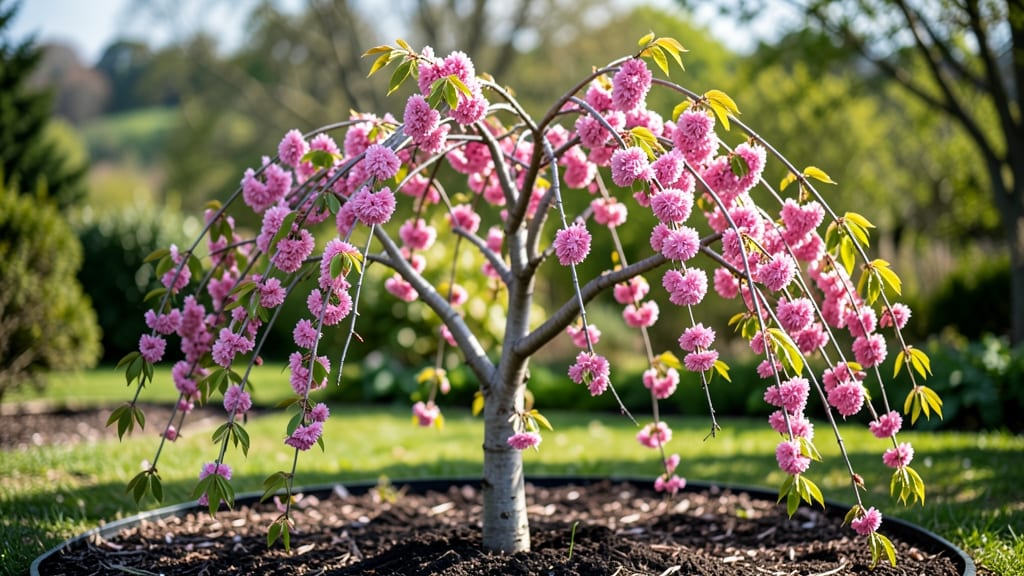
A pink weeping cherry tree transforms any yard into a dreamy springtime scene—but only if you prune it right. I learned that the hard way when my first branches grew too heavy and snapped under winter snow.
The secret isn’t just cutting back; it’s shaping the tree to keep those cascading branches light and full of flowers.
You’ll need sharp pruners, a ladder (for higher branches), and 30 minutes in early spring before buds swell. The key is thinning out crowded branches first—never just chopping at the ends.
This lets sunlight reach the center and keeps the weeping effect dramatic. And yes, you’ll prune again in late summer to encourage next year’s blooms.
By summer, you’ll have a tree with velvety pink blossoms spilling like a waterfall and branches that don’t sag under their own weight. Neighbors will ask how you did it—and you’ll know it’s the pruning schedule, not luck.
The best part? This method works for both young trees and mature ones needing a refresh.
Works in zones 5-8 with full sun and well-draining soil. For container growers, dwarf varieties like ‘Kanzan’ adapt beautifully. Let’s get those branches graceful again—before another winter test.
📚 In This Guide
- What you need
- Instructions
- Tips and common mistakes
- Wrapping up and next steps
What you need
- ● Pruning shears: Sharp, bypass-style shears (for clean cuts on branches up to ½ inch thick). Pro tip: Disinfect with rubbing alcohol before/after use to prevent disease spread! 💡
- ● Loppers: For branches ½–1½ inches thick (look for ratchet-style for extra leverage).
- ○ Pruning saw: Curved-tooth saw for thick branches (2+ inches). Optional: A folding saw for portability.
- ● Garden gloves: Heavy-duty, cut-resistant gloves (e.g., Mechanix or Felleisen brands).
- ● Disposable pruning sealant: (e.g., Tree Seal Tape) for large cuts (3+ inches) to prevent disease.
- ● Safety glasses: Protect your eyes from debris (even small branches pack a punch!).
- ● Sturdy ladder: Extension ladder (20–30 ft) with non-slip feet for tall trees. Safety tip: Have a spotter if working alone! ⚠️
- ● Work boots: Closed-toe, slip-resistant shoes (e.g., Timberland PRO).
- ● Bucket & trash bags: For collecting pruned branches (or a wheelbarrow for heavy loads).
- ● Best time to prune: Late winter/early spring (before buds swell) or immediately after flowering (to avoid sacrificing blooms).
- ● Weather check: Prune on a dry, calm day (no rain forecasted for 24 hours).
- ● Tree health: Inspect for diseased or dead branches (look for mushrooms, oozing sap, or hollow centers).
- ● Map of your tree: Sketch or photograph the tree’s structure beforehand to plan cuts. Pro tip: Use colored string to mark branches to remove! ✨
Instructions for pruning your pink weeping cherry tree
Here's how I keep my pink weeping cherry looking elegant while encouraging strong, healthy growth.
Time Your Pruning for Optimal Growth
Prune your pink weeping cherry tree in late winter or early spring, just as buds begin to swell but before new growth starts. This timing ensures you remove dead wood while the tree can heal quickly before the growing season. Avoid pruning in fall—it leaves wounds vulnerable to disease over winter.
If you spot broken branches after storms, remove them immediately to prevent further damage. For routine shaping, wait until that first flush of growth appears—you'll see tiny green buds forming along the branches. That's your signal the tree is ready for pruning.
Gather Your Tools and Prepare the Tree
Use sharp, clean pruning shears for small branches and loppers for thicker limbs. Disinfect your tools with rubbing alcohol between cuts to prevent spreading disease. I also wear gloves—those thorns don't play nice with bare hands.
Start by examining the tree's structure. Look for branches that cross, rub against each other, or grow inward. These are your first targets—they compete for sunlight and nutrients. Remove any dead, diseased, or damaged branches completely back to the collar where the branch meets the trunk.
Shape for Balance and Airflow
Weeping cherries thrive when their branches have room to spread naturally. Step back and visualize the tree's natural shape—you want an open, airy canopy. Remove any branches that grow straight up or downward, as these can block sunlight from reaching the lower branches.
Focus on thinning out rather than cutting back. Aim to remove no more than 25% of the tree's foliage in one season. You'll see the tree's graceful weeping habit emerge as you open up the center. For larger branches, make cuts just outside the branch collar to prevent tearing the bark.
Refine the Canopy for Year-Round Beauty
After removing problem branches, turn your attention to the tree's overall form. Lightly prune to encourage the weeping habit by selectively trimming the tips of branches that grow too upright. This redirection sends energy downward, enhancing that cascading effect.
Pay special attention to the tree's lower branches. While weeping cherries naturally have a graceful habit, removing a few lower branches can improve visibility and airflow. Just don't cut too aggressively—you want to maintain that elegant, flowing silhouette. Finish by cleaning up all debris from the pruning site.
Post-Pruning Care for Healthy Recovery
Water the tree deeply after pruning to help it recover. The roots will need that moisture to support new growth. Apply a 2-3 inch layer of mulch around the base (but not touching the trunk) to retain moisture and regulate soil temperature. This is especially important in hot summer months.
Monitor the tree closely for the first few weeks. You'll notice new growth emerging from the pruned areas within 4-6 weeks. If you see any oozing sap from cuts, it's normal—just a sign the tree is healing. Avoid fertilizing immediately after pruning, as new growth needs time to establish before benefiting from additional nutrients.
Tips & tricks for pruning your pink weeping cherry tree
Here's what I've learned after years of shaping my own weeping cherry—these small details make all the difference in keeping your tree healthy and stunning.
Timing is Everything: That late winter/early spring window is your golden opportunity. I've seen too many trees stressed from fall pruning—wait until you see those tiny green buds forming, but don't delay past when new growth starts. The tree needs time to heal before summer's heat arrives. Confession: I skipped this timing once and my tree took months to recover.
Tool Prep Prevents Problems: Never underestimate the importance of clean tools. I disinfect my pruning shears and loppers with rubbing alcohol between every cut—this simple step prevents spreading disease between branches. I also keep a small spray bottle of diluted bleach solution (1 part bleach to 9 parts water) for quick sanitizing between trees if I'm working with multiple specimens.
Visualize the Final Shape: Before making any cuts, step back and study your tree's natural growth pattern. Weeping cherries have a built-in elegance, but you'll need to guide it. Look for branches growing straight up—these are your targets for encouraging that cascading effect. I often sketch a rough outline of what I want the tree to look like before I start cutting.
Post-Pruning Care is Non-Negotiable: The work doesn't end when you put down your shears. That deep watering and 2-3 inch mulch layer create the perfect environment for recovery. I've noticed new growth appears most vigorously when I follow this care routine—within those 4-6 weeks you'll see the tree's resilience in action. Don't skip this step if you want your tree to thrive after pruning.
Pro Tips for Pink Weeping Cherry Tree
- Here's what I've learned after years of shaping my own weeping cherry—these small details make all the difference in keeping your tree healthy and stunning.
- Timing is Everything: That late winter/early spring window is your golden opportunity.
- Tool Prep Prevents Problems: Never underestimate the importance of clean tools.
Frequently asked questions
about your pink weeping cherry tree—because even graceful branches need a little extra care! Here are answers to the most common questions to keep your tree thriving.When is the best time to prune my pink weeping cherry tree?
Prune your weeping cherry tree late winter or early spring, just before buds swell but before new growth begins. This timing ensures minimal stress and maximizes blooms. Avoid pruning in fall—it can stimulate late growth vulnerable to frost damage. For light shaping, you can also prune right after flowering.
How much can I trim without harming the tree?
Never remove more than 25% of the tree’s canopy in a single year. Weeping cherries are delicate—over-pruning can stress the tree or reduce flowering. Focus on dead, diseased, or crossing branches first, then lightly thin for airflow. If your tree looks sparse, patience is key—gradual pruning preserves its natural elegance.
Why are my branches dying even after pruning?
Dying branches often signal bacterial canker, fungal infections, or pest damage. Prune below the affected area by 6–12 inches to prevent spread, and sterilize tools with rubbing alcohol. Improve airflow by thinning dense growth, and avoid overhead watering. If issues persist, consult a local arborist—your tree might need targeted treatment.
Can I grow a pink weeping cherry tree in a container?
Yes! Choose a large, sturdy container (at least 24" deep) with drainage holes and use well-draining soil. Dwarf varieties like ‘Amanogawa’ are ideal for pots. Keep it in full sun and water consistently—containers dry out faster. Repot every 2–3 years and prune roots if they circle the pot. Just know: container-grown trees may need more frequent pruning to control size.
How do I protect my tree from harsh winters?
Weeping cherries are hardy (USDA Zones 5–8), but young trees or extreme cold (<10°F) may need help. Mulch the root zone with 2–3 inches of organic mulch, and wrap the trunk with tree guard if rabbits or voles are a threat. Avoid heavy snow buildup—gently brush it off branches to prevent breakage. Water deeply before winter to prevent drought stress.
Wrapping up and next steps
The pink weeping cherry tree is a stunning addition to any landscape, and with the right pruning techniques, you can keep it thriving year-round. Remember, patience and consistency are key—whether you're shaping its graceful branches or removing dead wood, each cut brings it closer to its full potential. 🌸
Ready to take the next step? Schedule a seasonal pruning session and watch your tree flourish! For extra inspiration, explore local gardening forums or consult a certified arborist to refine your skills. Happy pruning!