
Pruning
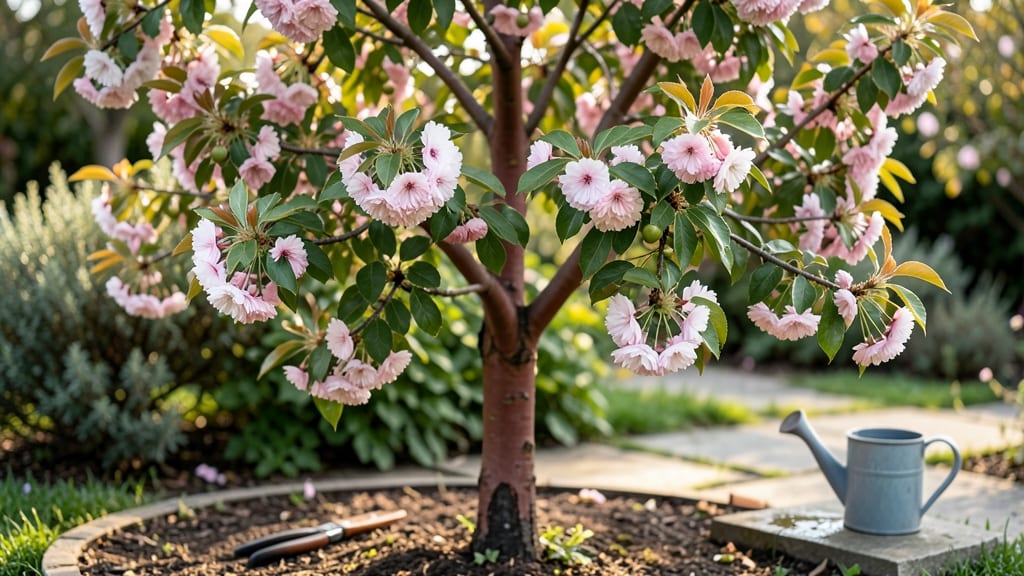
Planting a Prunus okame cherry tree transforms any yard into a four-season showstopper with its compact size and dramatic blue-pink blooms that appear before leaves even unfold.
I still remember the first time I saw one in full bloom—it looked like a cloud of cotton candy had settled in the garden, and the fragrance? Pure magic. This isn’t just another cherry tree; it’s a low-maintenance, space-saving powerhouse that thrives where bigger varieties fail.
The secret to its success lies in simplicity: it handles poor soil, tolerates urban pollution, and survives USDA zones 5-8 without fuss. You’ll need well-draining soil (even rocky ground works) and full sun for those iconic blooms, but beyond that, it’s nearly indestructible.
My 3-foot-tall specimen has outlasted three winters with zero special care—just occasional pruning to shape it and keep those branches from getting too heavy.
By early spring, you’ll have a tree bursting with 1-inch blossoms that attract pollinators, followed by tiny red cherries that birds adore. Even the blue-green foliage stays glossy all season, and in fall, the leaves turn a soft yellow before dropping.
It’s the kind of plant that makes neighbors stop and ask, “What’s that?”—and then you get to brag about its resilience.
Perfect for small yards, container growing, or even as a striking bonsai subject. Whether you’re a beginner or a seasoned gardener, this tree delivers year-round interest with minimal effort. Let’s get yours planted—and watch it become the star of your landscape.
📚 In This Guide
- What you need
- Instructions
- Tips and common mistakes
- Wrapping up and next steps
What you need
- ● Prunus okame cherry tree (dwarf variety, 6–10 ft tall at maturity). Pro tip: Choose a container-grown specimen for easier handling!
- ● Well-draining soil mix (50% native soil, 30% compost, 20% perlite/pumice). 💡 Avoid heavy clay—root rot is a no-go!
- ● Planting hole twice as wide as the root ball, with a depth matching the container’s level.
- ● Organic mulch (3–4 inches of wood chips or shredded bark) to retain moisture.
- ● Balanced fertilizer (10-10-10 or 20-20-20, slow-release formula). ✨ *Apply in early spring!
- ● Bypass pruners (sharp, clean, and sterilized with rubbing alcohol).
- ● Loppers (for thicker branches, 2–3 inches in diameter).
- ● Hand saw (for stubborn limbs, pruning saw with a fine-toothed blade).
- ● Garden gloves (cut-resistant, like mechanized or heavy-duty leather).
- ● Disinfectant spray (70% isopropyl alcohol or copper-based solution).
- ○ Sealing wax (optional, for large cuts over ½ inch).
- ● Tree support stake (if planting in windy areas).
- ● Drip irrigation system (for consistent moisture, especially in hot climates).
- ● Reflective mulch (like black plastic in summer to deter weeds and retain heat).
- ● Bird deterrent netting (if local birds love your blossoms too much!).
How to plant and care for your Prunus okame cherry tree
This stunning dwarf cherry delivers four seasons of interest—here’s how to set it up for success.
Choose the Perfect Planting Spot
Prunus okame thrives in full sun, so select a location with at least 6-8 hours of direct sunlight daily. The tree’s delicate pink blossoms and vibrant foliage need bright light to perform at their best. Avoid spots where other trees or structures will cast deep shade—this variety is too small to outgrow competition.
Check the soil drainage before planting. Okame cherries despise soggy roots, so if your soil feels compacted or stays wet for more than 24 hours after rain, amend it with 3-4 inches of organic matter like compost or aged bark. A slight mound of soil in the planting hole helps prevent water pooling around the roots.
Dig and Plant with Care
Dig a hole twice as wide as the root ball but no deeper—planting too low can suffocate the roots and cause rot. Gently remove the tree from its container and loosen any circling roots with your fingers. This prevents girdling as the tree matures.
Place the tree in the hole so the top of the root ball sits 1-2 inches above ground level. Backfill with native soil, tamping lightly as you go to eliminate air pockets. Water deeply until the soil settles, then add a 2-inch layer of mulch (like shredded bark) around the base, keeping it 3 inches away from the trunk to prevent rot.
Water and Fertilize for Strong Growth
Water the tree once a week for the first month, providing 1-2 gallons per watering to encourage root establishment. After that, reduce to every 10-14 days, depending on rainfall. The goal is deep, infrequent watering—let the top 2 inches of soil dry out between sessions to avoid root rot.
Apply a balanced, slow-release fertilizer (10-10-10) in early spring, following label instructions. Okame cherries are low-maintenance but respond well to a light feeding in late summer to support next year’s blooms. Avoid high-nitrogen fertilizers—they promote leafy growth at the expense of flowers.
Prune for Shape and Health
Prune in late winter or early spring before new growth begins. Remove any dead, crossing, or rubbing branches first to improve airflow and reduce disease risk. Then, thin out 10-20% of the oldest wood to encourage fresh growth and flowering.
Okame cherries bloom on old wood, so avoid heavy pruning after mid-summer—you’ll sacrifice next year’s flowers. Use clean, sharp pruners and make cuts just outside the branch collar to prevent damage. After pruning, apply a copper fungicide spray as a precaution against bacterial canker, a common issue in cherry trees.
Protect and Enjoy Year-Round Interest
The tree’s blue-green foliage and pink blossoms are stunning, but they also attract attention from pests. Monitor for aphids or scale insects in spring—spray with neem oil if you spot sticky residue on leaves. The fall foliage turns a brilliant bronze, and winter bark adds texture, so resist the urge to prune back bare stems.
In late winter, apply a 2-inch layer of mulch around the base (again, keep it clear of the trunk) to insulate roots and retain moisture. Okame cherries are hardy to USDA Zone 6, but young trees may need winter protection in colder climates—a burlap wrap or lightweight frost cloth will do the trick.
Tips & tricks for perfect Prunus okame cherry tree planting and care
These pro insights will help your dwarf cherry thrive through all four seasons with minimal fuss.
Sunlight Strategy: While 6-8 hours of sunlight is ideal, Okame cherries can tolerate partial shade in very hot climates—just expect fewer blossoms. I've seen them thrive with 5 hours of direct sun in Zone 7, though the foliage becomes slightly less vibrant. The key is morning sun exposure; afternoon shade helps prevent leaf scorch in intense climates.
Root Health Secret: The 24-hour drainage test is crucial—if water pools after that time, you're risking root suffocation. I've found that adding a handful of perlite to the planting hole's bottom layer creates instant drainage channels. For container growing, use a mix with 20% coarse sand or pumice to mimic this natural drainage.
Pruning Precision: When removing 10-20% of oldest wood in Step 4, focus on branches that cross or rub each other first. These create entry points for disease. I always make my cuts just outside the branch collar at a 45-degree angle—this promotes faster healing and prevents water from pooling at the wound site.
Winter Protection Hack: For Zone 6 trees, wrap the trunk with burlap after the first hard frost, then add a layer of frost cloth over the entire canopy. This creates a microclimate that can protect down to 15°F without damaging the delicate branches. Remove the cloth in early spring before buds swell to prevent moisture buildup.
Pro Tips for Prunus Okame Cherry Tree
- These pro insights will help your dwarf cherry thrive through all four seasons with minimal fuss.
- Sunlight Strategy: While 6-8 hours of sunlight is ideal, Okame cherries can tolerate partial shade in very hot climates—just expect fewer blossoms.
- Root Health Secret: The 24-hour drainage test is crucial—if water pools after that time, you're risking root suffocation.
Frequently asked questions
Got questions about the stunning Prunus okame cherry tree? You’re not alone! Here are some of the most common queries—plus straightforward answers to help you grow this dwarf powerhouse with confidence.
How fast does a Prunus okame cherry tree grow?
The Prunus okame is a slow-to-moderate grower, typically adding just 6–12 inches per year. This makes it perfect for small gardens or containers! With patience, it can reach 10–15 feet tall (though dwarf varieties stay under 6 feet). Prune lightly in late winter to shape it without stunting growth.
Can Prunus okame survive cold winters?
This cherry tree is hardy to USDA Zones 6–9, meaning it thrives in cold climates (down to -10°F). Just plant it in well-draining soil and avoid waterlogging—its roots hate soggy feet. Mulch in winter to protect shallow roots from freeze-thaw cycles.
Why aren’t my Prunus okame flowers blooming?
If your tree skips flowers, check these fixes:
- Age: Young trees (under 3 years) may need time to mature.
- Light: Ensure it gets 6+ hours of sun daily—partial shade can reduce blooms.
- Pruning: Over-pruning can stress the tree. Trim only dead or crossing branches in late winter.
- Nutrients: A balanced 10-10-10 fertilizer in early spring can boost flowering.
Patience is key—once established, it bursts with vibrant pink blooms!
Is Prunus okame good for containers?
Yes! Its dwarf varieties (‘Okame’ or ‘Kanzan’) thrive in 15–20 gallon pots with drainage holes. Use a well-draining potting mix (like cactus/succulent blend) and repot every 2–3 years. Just remember: containers dry out faster, so water deeply when the top inch of soil is dry.
Do I need to prune Prunus okame for flowers?
Light pruning after blooming (late spring/early summer) encourages next year’s flowers. Avoid heavy cuts—focus on:
- Removing dead or diseased branches.
- Thinning out crowded growth for airflow.
- Shaping to highlight its unique form.
Pro tip: Use sterilized pruners to prevent bacterial infections.
Wrapping up and next steps
The Prunus okame cherry tree is a true gem for gardeners—packing bold year-round interest with its striking blue-gray bark, delicate blossoms, and compact size. Whether you’re pruning for shape, health, or blooms, this dwarf powerhouse makes gardening accessible and rewarding.
With the right tools and techniques, you can keep it thriving for seasons to come!
Ready to transform your space? Grab your shears, follow the steps above, and watch your Prunus okame shine! 🌿✨ (Need a refresher? Jump back to our pruning guide!)