
Pruning
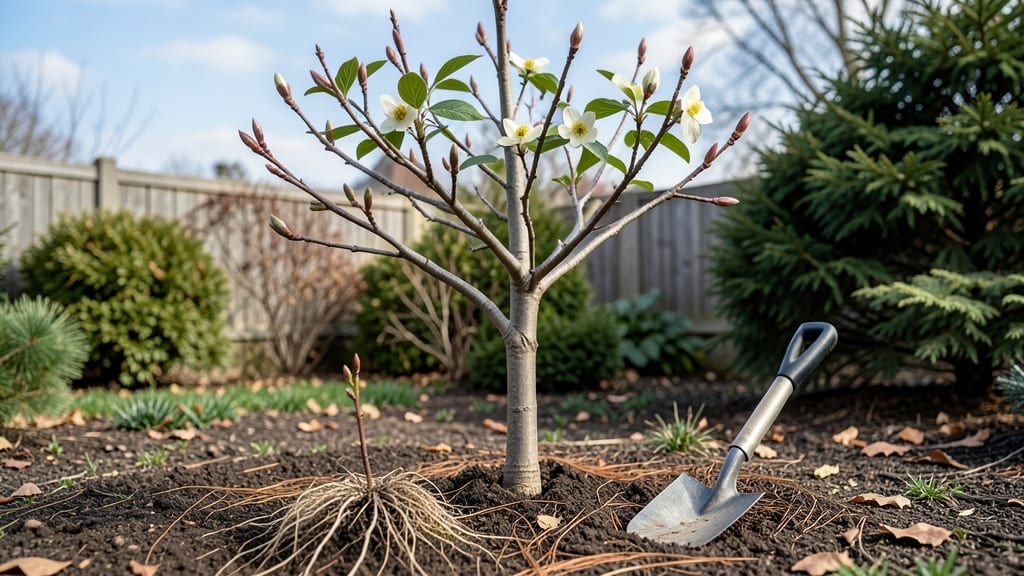
Replanting a dogwood tree after loss or relocation can feel daunting, but with the right timing and care, you’ll give it the fresh start it deserves. 🌳 I’ve replanted three dogwoods myself—two thrived, one took a season to recover—and the difference came down to soil prep, root handling, and the first critical weeks after transplanting.
The secret lies in mimicking nature: dogwoods hate soggy roots but need consistent moisture after moving. You’ll need a shovel, compost, and a 5-gallon bucket of water per tree, plus a 3-foot-deep hole twice as wide as the root ball.
Spring or early fall planting gives roots 6-8 weeks to establish before extreme temperatures, while summer replanting risks stress.
What you’ll end up with is a tree that looks like it’s been there for years—dark green leaves by midsummer, sturdy branches, and flowers that return in 2-3 seasons.
The key is keeping the root ball intact (or wrapping bare roots in burlap) and watering deeply every 3-4 days for the first month.
This method works for both container-grown and bare-root dogwoods, whether you’re replacing a lost specimen or relocating a young tree. Let’s get those roots settled right—your future shade tree depends on it.
📚 In This Guide
- What you need
- Instructions
- Tips and common mistakes
- Wrapping up and next steps
What you need
- ● Healthy dogwood tree: Choose a 1–3 gallon container-grown tree (or a small bare-root sapling) with a sturdy root ball. Pro tip: 🌡️ Avoid trees with yellowing leaves or mushy roots!
- ● Shovel or transplant spade: A sharp-edged spade (12–18 inches wide) for digging the hole.
- ● Garden fork or trowel: For loosening soil around the root ball.
- ● Compost or well-aged manure: 5–10 lbs to enrich the planting hole.
- ● Native soil or topsoil: 1–2 cubic feet, amended with compost.
- ● Mulch (pine bark or shredded leaves): 2–3 inches to retain moisture and regulate temperature.
- ○ Tree stake (optional but recommended): 1–2 stakes (1.5–2 inches wide) + soft tree tie or rubber strap.
- ● Watering can or hose with nozzle: For deep watering (1–2 gallons per watering).
- ● Pruning shears: Sterilized shears to trim damaged roots or branches.
- ● Root stimulator: A granular or liquid rooting hormone to boost growth.
- ● Soil test kit: To check pH (dogwoods prefer 5.0–6.5).
- ● Slow-release fertilizer: 10–20–10 NPK ratio, applied lightly at planting.
- ● Epsom salt (magnesium sulfate): 1 tbsp dissolved in water for nutrient boost.
- ● Planting grid or string: To mark the hole’s depth and ensure proper spacing.
- ● Choose a sunny to partially shaded spot with well-draining soil.
- ● Plan for at least 6–8 hours of sunlight daily (dogwoods thrive in dappled light).
- ● Pick a time to replant when temps are cool (fall or early spring)—avoid summer heat!
- ● Ensure the new location has space: Mature dogwoods need 15–25 feet of clearance.
Step-by-step guide for successfully replanting dogwood trees
Here's how to give your dogwood a strong new start—proven techniques for stress-free transplantation.
🌱 Step 1: Prepare the New Planting Site for Optimal Growth
Choose a location with morning sun and afternoon shade—dogwoods thrive in dappled light. The soil should be well-draining but moisture-retentive, with a pH between 6.0 and 6.5. If your soil is heavy clay, amend it with 2-3 inches of compost mixed into the top 12 inches of soil.
Dig a hole twice as wide as the root ball but only as deep as the container's drainage holes. This prevents burying the trunk too deeply, which can suffocate the tree. Loosen the sides of the hole with a shovel to encourage root spread into surrounding soil.
🪴 Step 2: Carefully Remove and Prepare the Dogwood for Transplanting
Water the tree thoroughly 24 hours before moving to reduce root shock. Gently prune any broken or circling roots with sterilized pruners, then wrap the root ball in a burlap sack if it's large—this protects roots during transport. Lift the tree by the root ball, not the trunk, to avoid damaging the cambium layer.
If replanting bare-root, soak the roots in a bucket of water for 1-2 hours before planting to revive them. For container-grown trees, remove excess soil from the bottom third of the root ball to encourage new root growth into the surrounding soil. Real talk: Dogwoods hate being root-bound, so don't skip this step.
☀️ Step 3: Plant with Proper Support and Mulching Techniques
Position the tree in the center of the hole so the top of the root ball sits 1-2 inches above ground level. This prevents settling that could bury the trunk. Backfill with native soil, tamping lightly every 2 inches to remove air pockets. Water deeply as you fill to settle the soil around roots.
Stake the tree only if necessary—dogwoods typically don't need support unless in windy areas. If staking, use two stakes positioned diagonally and tie loosely with rubber tree ties to allow trunk movement. Apply 3 inches of mulch (wood chips or shredded bark) around the base, keeping it 6 inches away from the trunk to prevent rot.
💧 Step 4: Establish Watering and Care Routines for Recovery
Water deeply twice weekly for the first 4-6 weeks, then taper to once weekly once new growth appears. Dogwoods need consistent moisture but hate soggy roots—water at the base and avoid wetting foliage to prevent fungal diseases. You'll know moisture is right when the soil feels damp 2 inches below the surface.
Fertilize lightly with balanced 10-10-10 fertilizer only if the tree shows signs of stress (yellowing leaves). Over-fertilizing can burn roots and delay recovery. Prune only to remove dead branches—wait until next spring for structural pruning to avoid unnecessary stress.
Tips & tricks for perfect dogwood transplanting
These insider insights will help you avoid common pitfalls and give your dogwood the best possible start in its new home.
The Soil Preparation Secret: When amending heavy clay soil with compost, mix it thoroughly into the top 12 inches—not just the surface. This creates a uniform root environment where moisture and nutrients can penetrate evenly. I've seen dogwoods struggle when roots hit compacted clay layers just inches below the surface.
Root Ball Revival Technique: For bare-root dogwoods, the 1-2 hour soaking period is crucial—don't rush it. Submerge roots completely in room-temperature water and gently swish them to remove any air pockets. This step revives dormant roots that might otherwise dry out during the first critical days after transplanting.
Positioning Precision: That 1-2 inch elevation above ground level is non-negotiable. Use a level to verify the root ball sits perfectly horizontal—any tilt can cause uneven water distribution. I mark the container's drainage hole level with a pencil before planting to ensure perfect positioning.
Watering Wisdom: The twice-weekly watering schedule assumes average rainfall conditions. In hot, dry climates, you may need to water every 3-4 days instead. Always check soil moisture by inserting your finger 2 inches deep—this is the most reliable indicator of your tree's hydration needs.
Pro Tips for Replant Dogwood Tree
- These insider insights will help you avoid common pitfalls and give your dogwood the best possible start in its new home.
- The Soil Preparation Secret: When amending heavy clay soil with compost, mix it thoroughly into the top 12 inches—not just the surface.
- Root Ball Revival Technique: For bare-root dogwoods, the 1-2 hour soaking period is crucial—don't rush it.
Frequently asked questions
Got questions about replanting your dogwood tree? You’re not alone! Here are some of the most common concerns—plus clear, actionable answers to help you succeed.
When is the best time to replant a dogwood tree?
The ideal window is early spring (March–April) or fall (October–November). Avoid replanting during extreme heat or cold—dogwoods need time to establish roots before stress sets in. If you’re replanting in summer, prioritize shade and frequent watering to reduce shock.
How often should I water a newly replanted dogwood?
Water deeply 2–3 times per week for the first month, then taper to once a week (unless it’s unusually dry). The goal is to keep soil consistently moist but not soggy. Mulch around the base (2–3 inches deep) to retain moisture and protect roots.
Can I replant a dogwood in the same spot if it died?
Only if you’ve addressed the root cause (e.g., soil drainage, pests, or disease). If the original issue persists, choose a new location with well-draining soil, partial shade, and space for growth. Dogwoods hate “wet feet”—amend heavy clay soil with compost or sand to improve aeration.
What should I do if my replanted dogwood’s leaves turn yellow?
Yellow leaves often signal root stress (under/overwatering) or nutrient deficiency. Check soil moisture and adjust watering. If the issue persists, test soil pH (dogwoods prefer 5.0–6.0) and fertilize lightly with an acid-loving plant formula in spring. Avoid heavy fertilizer—it can burn roots.
Are there alternatives if my dogwood won’t survive replanting?
Consider native, low-maintenance trees like serviceberry, fringe tree, or Eastern redbud. They thrive in similar conditions (partial shade, moist soil) and offer beautiful spring blooms. For instant shade, try a fast-growing but sturdy option like a hybrid poplar or crepe myrtle.
Wrapping up and next steps
Replanting a dogwood tree can feel like a big task, but with the right prep, patience, and care, your transplant can thrive and bring beauty back to your garden! 🌿 The key is choosing the perfect timing, digging carefully, and giving your tree the support it needs to recover.
Now that you’re armed with these steps, it’s time to roll up your sleeves and give your dogwood a fresh start.
Ready to take the next step? Mark your calendar for the ideal replanting window (early spring or fall), gather your tools, and get ready to watch your dogwood flourish! For extra peace of mind, consider consulting a local arborist if your tree has special needs—happy replanting! 🌱