
Trees
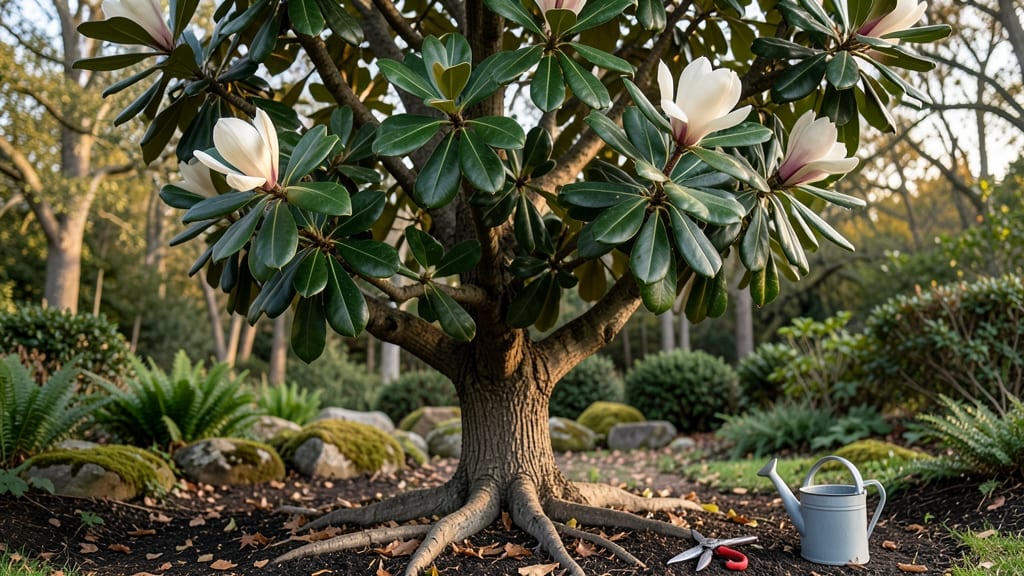
Growing magnolia trees delivers that rare garden triumph: year-round interest with glossy leaves, dramatic blooms, and intoxicating fragrance—if you know the pruning secrets that keep them thriving. 🌿 My first attempt nearly failed when I ignored how these ancient trees respond to cuts, but once I learned their growth rhythms, my backyard became a fragrant sanctuary.
These trees demand rich, well-draining soil and at least six hours of sunlight daily, though they tolerate partial shade in hotter climates. Southern magnolias handle humidity like champs, while Saucer magnolias push north into Zone 4 with proper winter protection.
The key? Planting in early spring or fall when roots can establish before extreme weather hits.
Pruning transforms magnolias from scraggly bushes into showstopping focal points. Cut back dead wood in late winter, shape new growth in early summer, and never remove more than a third of the canopy at once.
Your reward? Larger blooms, denser foliage, and that signature magnolia perfume wafting through your yard by late spring.
Regional adaptability is the real game-changer—tropical varieties like 'Teddy Bear' flourish in Zones 7-10, while cold-hardy 'Jane' thrives in Zones 5-9. The same pruning rules apply, but timing shifts slightly: wait until after the last frost in colder zones. Let's get your magnolia off to the right start.
📚 In This Guide
- What you need
- Instructions
- Tips and common mistakes
- Wrapping up and next steps
What you need
- ● Magnolia Tree: Choose between a container-grown (1–3 gallons) or bare-root sapling (1–2 feet tall). Popular varieties include Magnolia grandiflora (Southern Magnolia) or Magnolia stellata (Star Magnolia).
- ● Planting Site: Well-draining soil (amend with compost if needed—aim for a pH of 5.0–6.5).
- ● Full sun to partial shade (6+ hours of sunlight for optimal blooms).
- ● Space! Mature magnolias can reach 20–40 feet tall (check your variety’s growth habit).
- ● Tools: Shovel or trenching shovel (for digging).
- ● Garden gloves (to protect your hands from thorns!).
- ● Watering can or hose with a gentle spray nozzle.
- ● Mulch (2–4 inches of organic mulch like pine straw or shredded bark).
- ● Soil Amendments: Slow-release fertilizer (10-10-10 or acidic fertilizer like Miracle-Gro Azalea/Camellia) for nutrient-boosting.
- ● Pruning Tools: Bypass pruners (for clean cuts on small branches).
- ● Loppers (for thicker branches, up to 1.5 inches).
- ● Sterilizing solution (rubbing alcohol or bleach-water mix) to prevent disease.
- ● Protective Gear: Long sleeves and safety goggles (magnolia thorns are sharp!).
- ● Tree Stake & Ties: Only needed for young or top-heavy trees in windy areas.
- ● Drip Irrigation System: For automated watering (especially useful in hot climates).
Step-by-step guide to planting and pruning magnolia trees for fragrant blooms
Here’s how to get your magnolia off to a strong start—where to plant it and how to shape it for years of showstopping flowers.
🌱 Step 1: Choose the Perfect Planting Spot
Magnolias thrive in full sun to partial shade—at least 6 hours of sunlight daily—but they’ll tolerate morning sun with afternoon shade in hotter climates. The key is well-draining soil with a slightly acidic pH (5.5–6.5). I always test the soil first with a simple pH kit; if it’s too alkaline, mix in 2–3 inches of peat moss before planting.
Dig a hole twice as wide as the root ball but only as deep as the container’s root base. Loosen the sides of the hole with a shovel so roots can spread easily. Here’s the thing—never amend the soil in the hole with compost or fertilizer. You’ll just concentrate salts around the roots, which magnolias hate.
☀️ Step 2: Plant and Water for Strong Root Establishment
Place the tree in the hole so the top of the root ball sits 1–2 inches above ground level. This prevents water from pooling at the base and rotting roots. Backfill with the original soil, pressing gently to remove air pockets. I use my hands to firm the soil—no stomping—and create a slightly raised berm around the base to catch water.
Water deeply right after planting—about 5 gallons for a small tree—until the soil is saturated 12 inches down. You’ll know it’s right when water runs out the bottom of the hole. Mulch with 3 inches of shredded bark (keep it 6 inches away from the trunk) to retain moisture and protect roots from temperature swings.
✂️ Step 3: Prune Strategically for Health and Blooms
Magnolias never need heavy pruning—they bloom on old wood, so cutting back too much removes next year’s flowers. The only time to prune is right after blooming (late spring) to shape the tree or remove dead branches. Use clean, sharp pruners and cut just outside the branch collar—never leave stubs.
I always look for crossing branches or ones growing inward—they’ll rub against each other and create wounds. Remove no more than 25% of the tree’s foliage in a single year, or you’ll stress it. Thin out crowded branches to improve airflow, which prevents fungal diseases like anthracnose that can ruin blooms.
🌿 Step 4: Feed and Protect for Long-Term Growth
Magnolias are light feeders—too much fertilizer burns roots. In early spring, spread ½ cup of slow-release 10-10-10 fertilizer around the drip line (the edge of the tree’s canopy). Water it in deeply to wash excess away from the roots. Skip fertilizer in drought years—stressed trees need to conserve energy for root growth.
Young trees need consistent moisture but hate soggy soil. Water once a week during the first growing season, aiming for 1–1.5 inches of water per week. Mature trees are drought-tolerant once established, but deep watering every 2 weeks keeps blooms vibrant. Watch for yellowing leaves—that’s your cue to check for overwatering or iron deficiency (common in alkaline soils).
Tips & tricks for perfect magnolia tree growth
Here's what nobody tells you about nurturing these fragrant giants—details that make all the difference between a struggling sapling and a thriving, blooming beauty.
Soil Preparation Secret: That 2-3 inches of peat moss I mentioned for alkaline soil? Mix it into the top 6 inches of your planting hole's surrounding soil—not just at the bottom. Magnolias have shallow roots that spread wide, so they need consistent acidity throughout their root zone. Confession: I skipped this step for years and wondered why my tree never really took off.
Planting Depth Matters: When you position your tree with the root ball just 1-2 inches above ground, don't just eyeball it. Use a level to check—uneven settling can cause water pooling. I've seen trees planted too deep develop root rot because the trunk stays too wet. Pro tip: Mark the correct depth on your shovel handle before digging.
Watering Wisdom: Those 5 gallons for a small tree? That's about right, but here's the catch: split it into two waterings—first when you plant, then again 2-3 days later. This prevents shock from too much water at once. And watch for the berm you create—it should hold water for 15-20 minutes before draining, not pool like a puddle.
Pruning Precision: When you're removing those crossing branches in Step 3, cut back to the branch collar but leave the bud facing outward. This encourages healthy growth in the right direction. I learned this the hard way after pruning too close and getting ugly stubs that never healed properly.
Pro Tips for Growing Magnolia Trees
- Here's what nobody tells you about nurturing these fragrant giants—details that make all the difference between a struggling sapling and a thriving, blooming beauty.
- Soil Preparation Secret: That 2-3 inches of peat moss I mentioned for alkaline soil?
- Planting Depth Matters: When you position your tree with the root ball just 1-2 inches above ground, don't just eyeball it.
Frequently asked questions
Got questions about growing and caring for magnolia trees? You’re not alone! Here are some of the most common queries—plus straightforward answers to help you nurture these stunning evergreens with confidence.
How long does it take for a magnolia tree to bloom?
A young magnolia tree typically takes 3 to 5 years to produce its first flowers, depending on the variety and growing conditions. Patience is key—some slower-growing types may take up to a decade! Focus on proper care (sunlight, soil, and water) to encourage blooms sooner.
Can magnolia trees survive winter frost?
Most magnolia varieties are hardy in USDA Zones 4–9, meaning they tolerate cold winters (as low as -20°F/-29°C for some types). However, young trees or tropical varieties (like Magnolia grandiflora) may need winter protection—wrap the trunk with burlap or mulch heavily around the base.
How often should I water a magnolia tree?
Water deeply once a week during the first year, ensuring the soil stays moist but not soggy. Mature trees need less—water only during prolonged dry spells (check soil 2–3 inches deep). Overwatering can harm roots, so prioritize drainage and avoid pooling water around the trunk.
When is the best time to prune a magnolia tree?
Prune immediately after flowering (late spring) to avoid cutting off next year’s blooms. Avoid heavy pruning in late summer or fall, as this can stimulate tender new growth vulnerable to frost. Use clean, sharp tools and make cuts just above a bud or branch collar.
What pests or diseases should I watch for?
Magnolias are generally low-maintenance, but watch for scale insects, aphids, or fungal issues like powdery mildew. Treat pests with horticultural oil or insecticidal soap, and improve air circulation to prevent mildew. Regular inspections (especially under leaves) catch problems early!
Can I grow a magnolia tree in a container?
Yes! Dwarf varieties (like ’Little Gem’) thrive in large containers (15+ gallons) with well-draining soil. Repot every 2–3 years and move indoors during winter if temps drop below 10°F (-12°C). Just ensure the container has drainage holes to prevent root rot.
Wrapping up and next steps
Growing magnolia trees is a rewarding journey that blends patience, care, and a touch of pruning science to unlock their full beauty. From selecting the right variety to mastering seasonal trims, every step brings you closer to a fragrant, thriving centerpiece in your landscape. 🌿✨
Now that you’re armed with the know-how, take the next step—visit your local nursery, grab those pruners, and start nurturing your magnolia’s potential! Whether you’re a seasoned gardener or just beginning, your fragrant future is just a cut (and a lot of love) away.